


The 6 Pros and Cons of Manual vs. Automatic Water Filling for Ice Makers
Authored by GLAZER mini
Ice is the foundational element of any perfectly crafted beverage, ranging from a revitalizing morning iced coffee to an evening pour of premium, aged whiskey. However, the exact method by which that ice is produced significantly impacts the operational flow of your kitchen or home bar, the visual and structural quality of the ice itself, and your overall budget. As experts in premium ice solutions and modern beverage presentation, we frequently encounter consumers who are torn between investing in automated convenience or maintaining hands-on quality control. To make a truly informed decision, you must rigorously evaluate the pros and cons of manual vs. automatic water filling for ice makers.

From our experience outfitting professional and home environments, the distinction between these two primary systems dictates your installation requirements, your ongoing maintenance schedules, and the aesthetic clarity of your chilled drinks. While automation provides a steady, hands-free supply for high-volume settings, manual systems offer unparalleled control over water purity and ice density. In this comprehensive, authoritative guide, we will explore the pros and cons of manual vs. automatic water filling for ice makers, equipping you with the knowledge to choose the exact ice production method that aligns with your lifestyle, spatial constraints, and beverage preferences.
Table of Contents
1. Understanding the Core Ice Production Systems
Before diving into specific advantages and disadvantages, it is vital to understand how these systems operate mechanically. Automatic water filling systems are connected directly to your home or commercial plumbing infrastructure. They utilize electronically controlled solenoid valves to draw water into a freezing chamber whenever sensors detect that the ice storage bin is running low. This creates a continuous loop of production and storage.
Conversely, manual water filling relies entirely on the user. This category encompasses countertop ice makers that require you to pour water into a reservoir, as well as traditional and advanced silicone ice molds placed directly into a freezer. While they lack the automated continuous loop, manual methods allow the user to select specific water types—such as distilled, reverse osmosis, or heavily filtered water—to optimize the final product.
2. The 6 Pros and Cons of Manual vs. Automatic Water Filling for Ice Makers
When analyzing the pros and cons of manual vs. automatic water filling for ice makers, it is necessary to break down the user experience into six distinct operational categories. Here is our expert breakdown of how these systems compare in real-world scenarios.
1. Installation Complexity and Space Requirements
Automatic: The primary drawback of an automatic ice maker is the required installation. Automatic machines must be tethered to a dedicated water line and often require a floor drain or a drain pump to manage melting ice runoff. Pro: Once installed, the water supply is infinite and effortless. Con: The installation is rigid. You cannot easily move the appliance without hiring a professional plumber to reroute pipes, limiting your kitchen or bar layout options.
Manual: Manual systems completely bypass complex plumbing. Pro: They offer ultimate portability and spatial flexibility. A manual countertop machine can be taken in an RV or moved to a patio for a summer barbecue. Premium manual molds can be placed in any standard freezer. Con: You must physically transport water to the unit or carry filled molds from the sink to the freezer, which can result in occasional spills.
2. Production Capacity and Daily Convenience
Production volume is a major talking point when discussing the pros and cons of manual vs. automatic water filling for ice makers. Automatic: These machines are engineered for heavy, continuous demand. Pro: They are highly convenient for large families or frequent entertainers, capable of churning out 25 to 80 pounds of ice per day. Con: If the internal sensors fail or the water line freezes, your ice production halts entirely until professional repairs are made.
Manual: Manual systems are designed for deliberate, batch production. Pro: You have total control over your inventory, making ice only when you need it, which prevents older ice from absorbing stale freezer odors. Con: Manual filling lacks "set it and forget it" convenience. If you forget to refill the reservoir or molds before a gathering, you will be left waiting hours for a fresh batch to freeze.
3. Maintenance, Cleaning, and System Hygiene
Automatic: The internal mechanics of automatic machines include hidden water lines, pumps, and valves. Pro: High-end models often feature automated descaling and cleaning cycles. Con: Hard water minerals build up rapidly inside the inaccessible tubing. If not rigorously maintained with specialized chemicals, these hidden lines can harbor dangerous mold and bacteria.
Manual: Manual systems shine in the realm of hygiene. Pro: Because there are no hidden internal plumbing lines, the entire water reservoir or silicone mold is easily accessible for thorough hand-washing with basic dish soap. Con: You must be disciplined enough to execute this manual cleaning routine regularly, as standing water in a countertop reservoir can become stagnant.
4. Upfront Costs and Long-Term Operating Expenses
Financial investment is a heavy factor within the pros and cons of manual vs. automatic water filling for ice makers. Automatic: Built-in and freestanding automatic machines are luxury appliances. Pro: They add tangible value and a premium aesthetic to custom kitchens and wet bars. Con: The initial purchase price often ranges from $1,000 to $3,000, not including plumbing installation fees, ongoing electricity costs, and expensive proprietary water filter replacements.
Manual: Manual options are incredibly budget-friendly. Pro: Premium ice molds and basic countertop machines cost a fraction of automatic units and require practically zero ongoing maintenance expenses. Con: You are trading financial cost for the cost of your own time and physical labor to keep the ice supply replenished.
5. Energy Efficiency and Environmental Impact
Automatic: To ensure ice is always ready, automatic machines run continuous refrigeration and harvesting cycles. Pro: Ice is available the second you open the bin. Con: This continuous cycling draws significant electrical power 24/7. Furthermore, many commercial-style clear ice machines discard a large volume of unfrozen water during the purification process, making them highly inefficient regarding water conservation.
Manual: Manual water filling is fundamentally more eco-conscious. Pro: Placing an ice mold in a freezer that is already running requires zero additional electrical draw. Con: Achieving perfect ice manually takes time, requiring forward planning rather than offering instant gratification.
6. Ice Quality, Clarity, and Customization
Automatic: Automated machines freeze water quickly from all directions. Pro: Rapid freezing results in fast batch turnover. Con: Freezing from all sides traps dissolved oxygen, minerals, and impurities in the center of the cube. This creates cloudy, structurally weak ice that melts rapidly, over-diluting premium spirits and altering the flavor profile of your drink.
Manual: Manual filling allows for the implementation of advanced freezing techniques, such as directional freezing. Pro: By controlling the freezing environment and the water source, you can craft dense, slow-melting, crystal-clear ice that elevates the presentation of any beverage. Con: Achieving this level of perfection requires specialized molds and patience.
3. Why Manual Filling is Essential for Craft Clear Ice
From our experience outfitting professional mixologists and home enthusiasts, the true magic of a perfect cocktail lies in the structural integrity of the ice. If you appreciate the complex nuances of a fine spirit—as detailed in our guide where types of whiskey explained helps you identify flavor notes, or when exploring the top whiskey brands in the world—cloudy, fast-melting ice is entirely unacceptable.

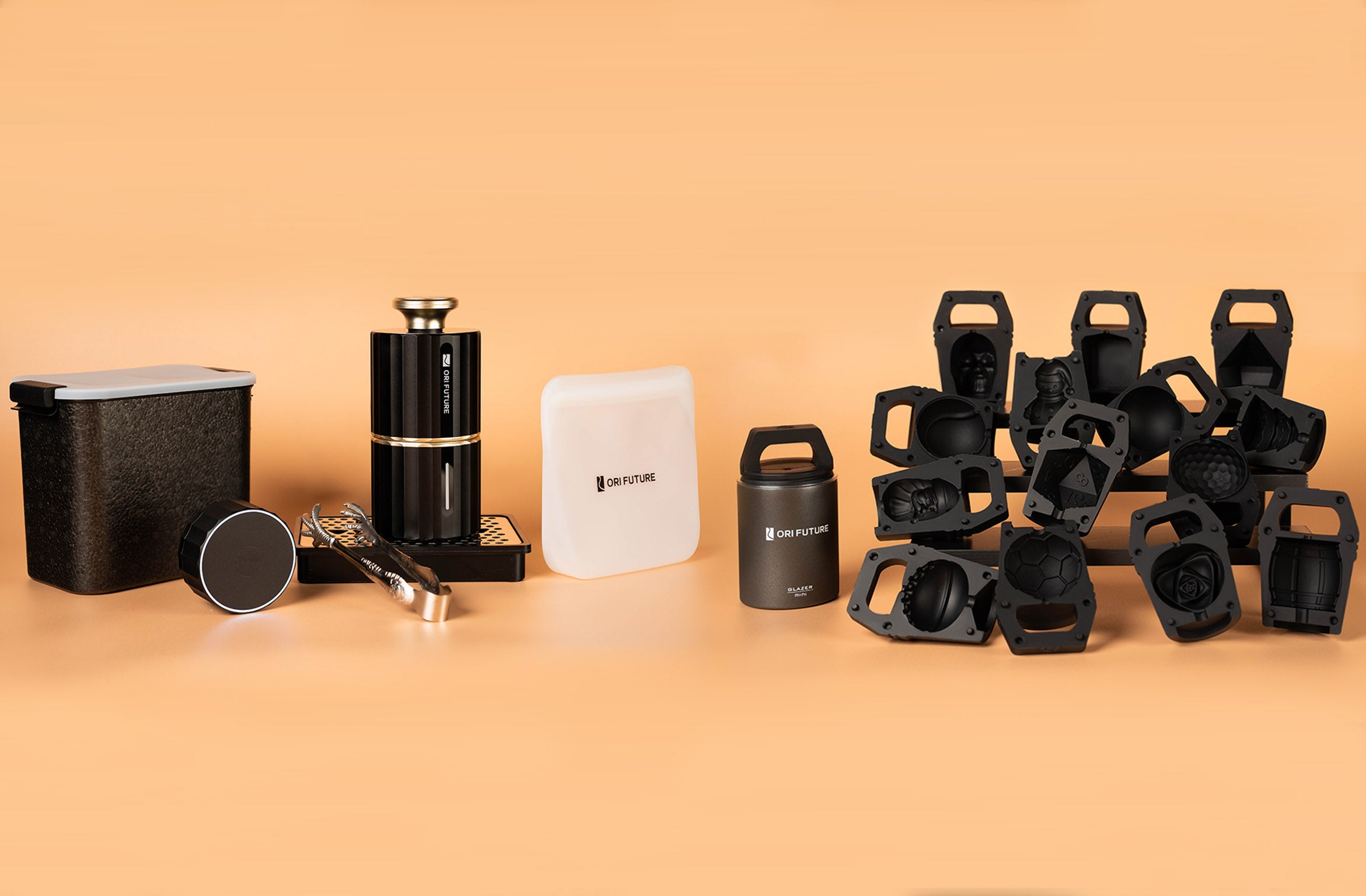
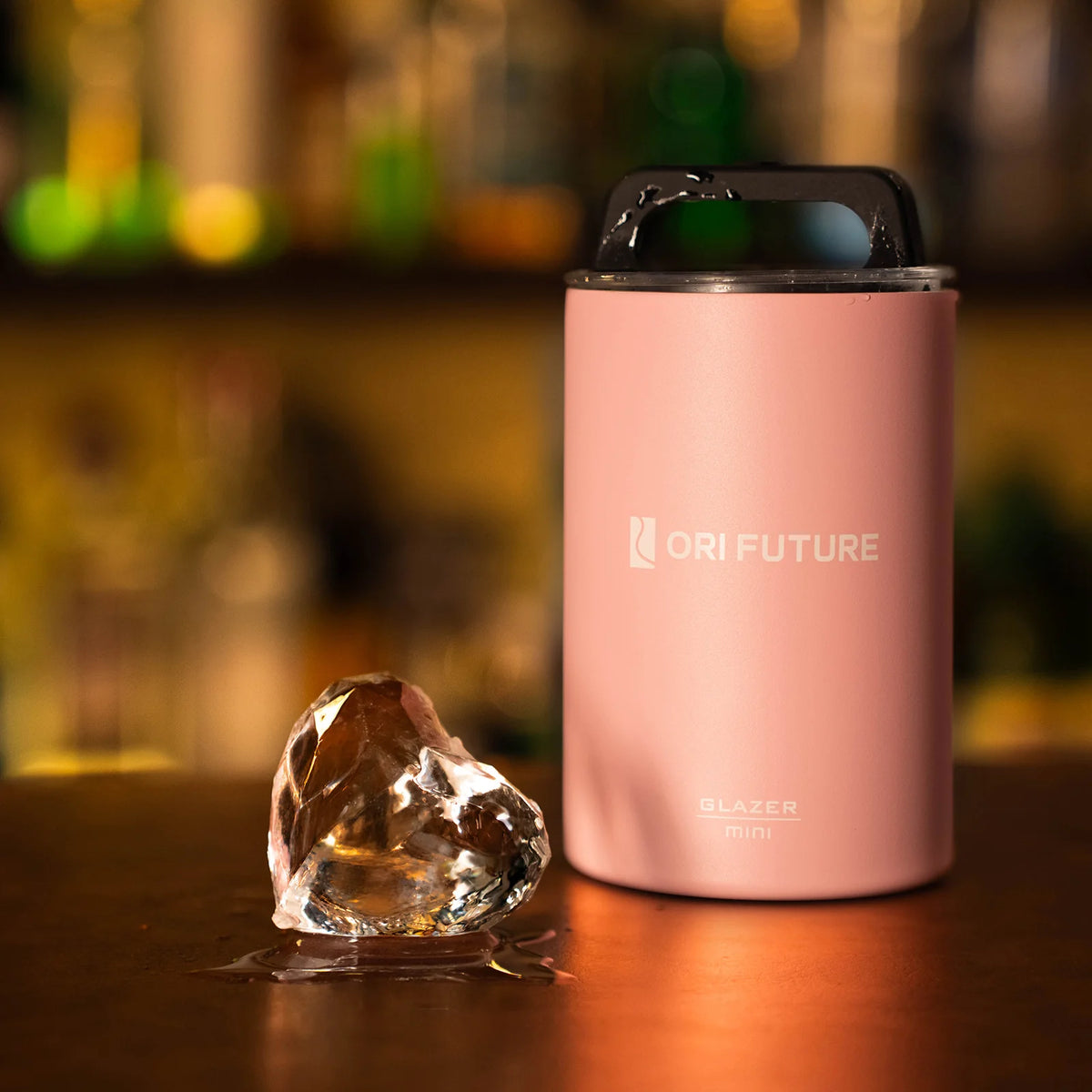
We recommend the GLAZER mini Clear Ice Mold for those who refuse to compromise on quality. The GLAZER mini relies on a manual fill system to execute flawless directional freezing. Craft professional-grade 100% clear ice with the GLAZER Mini’s optimized tumbler design. Say goodbye to cloudy ice forever. By utilizing manual filling, you ensure that pure, filtered water freezes slowly from the top down, pushing impurities away from the final shape.
Furthermore, standard automatic machines offer one, perhaps two, generic cube shapes. With the GLAZER mini, you have access to 10+ Unique Shapes for Your Drinks & More. You can choose from Sphere, Cube, Diamond, Boat, D20, or Skull-shaped molds—perfect for cocktails, whiskey, iced coffee, or highly creative presentations. Refresh your bar setup or home entertaining with unmatched style.
Designed to fit anywhere in your fridge, our Space-Saving Minimalist Design conserves space and water. Store multiple molds and say yes to clutter-free freezing. Additionally, our built-in release system solves common mold frustrations with Easy Ejection & Cleaning—No More Struggles. Remove ice in seconds and clean residue-free—no tapping, or soaking required. To master this process and elevate your home bar, review the Glazer Mini user manual and our comprehensive advanced clear ice guide. If you are looking for a unique present for the enthusiast in your life, check out our ice mold buying guide for gifts.
4. Summary Comparison Table
To concisely summarize the pros and cons of manual vs. automatic water filling for ice makers, we have provided an at-a-glance comparison matrix below.
| Feature Metric | Automatic Water Filling | Manual Water Filling (GLAZER mini) |
|---|---|---|
| Installation | Requires permanent plumbing and drainage. | Zero installation; highly portable and flexible. |
| Convenience | Continuous, hands-free production. | Requires manual refilling and batch monitoring. |
| Maintenance | Prone to internal scaling; requires chemical descaling. | Fully accessible for easy, sanitary hand-washing. |
| Operating Cost | High upfront cost, filters, and electricity usage. | Low upfront cost, zero ongoing mechanical maintenance. |
| Ice Quality | Often cloudy and fast-melting due to rapid freezing. | 100% crystal-clear, dense, slow-melting craft ice. |
| Customization | Limited to 1 or 2 generic machine shapes. | 10+ unique shapes (Sphere, Diamond, Skull, D20, etc.). |
5. Frequently Asked Questions (FAQs)
Does manual water filling produce better tasting ice?
Yes, it absolutely can. Because you are manually filling the molds, you can choose to use highly purified, reverse osmosis, or distilled water. Furthermore, manual molds that utilize directional freezing push out dissolved gases and impurities, resulting in ice that is completely tasteless and odorless, preventing any alteration to your beverage's flavor.
Are automatic ice makers harder to clean?
From our experience, yes. Automatic machines have hidden water lines and internal reservoirs that you cannot physically reach with a sponge. You must rely on chemical cleaning cycles to break down scale and mildew. Manual molds, like the GLAZER mini, can be fully disassembled and washed by hand in seconds.
Can I make completely clear ice in a standard automatic refrigerator machine?
No. Standard refrigerator ice makers freeze water rapidly from the outside in, trapping air bubbles and minerals in the center of the cube, causing cloudiness. To achieve crystal-clear ice, you either need a highly expensive commercial clear ice machine or a specialized manual system like the GLAZER mini that utilizes directional freezing.
6. Industry References
To further understand the importance of water purity and sanitary ice production practices, we highly recommend consulting the following authoritative governmental resources:
