
How Long Does It Take for a Whiskey Ice Ball to Freeze? An Expert Guide
For the true whiskey aficionado, the quality of the ice in the glass is just as critical as the quality of the spirit itself. A perfectly spherical, crystal-clear ice ball not only elevates the visual presentation of a premium pour but also serves a vital thermodynamic function. Because spheres possess the lowest possible surface-area-to-volume ratio of any geometric shape, they melt significantly slower than standard ice cubes. This slow dilution preserves the complex flavor notes and aromatic integrity of your bourbon, scotch, or rye. However, achieving this perfection requires patience and precision, leading many enthusiasts to wonder exactly how long it will take for a whiskey ice ball to freeze.

From our experience at GLAZER Press, the exact time it will take for a whiskey ice ball to freeze depends on a multitude of environmental and mechanical factors. Whether you are using a standard silicone mold, an insulated directional freezing system, or bypassing the freezing wait entirely with advanced compression technology, understanding the timeline is essential for proper bar preparation. In this authoritative guide, we will break down the science of ice formation, the variables that impact freezing speeds, and how you can optimize your setup to achieve flawless results every time.
Table of Contents
The Science of Freezing Ice Spheres
When estimating the time it will take for a whiskey ice ball to freeze, we must first look at the thermodynamics of water transitioning from a liquid to a solid state. Water freezes from the outside in. As the exterior layer of water inside a spherical mold reaches 32 degrees Fahrenheit (0 degrees Celsius), it solidifies, creating an insulating barrier. This ice barrier slows down the rate at which the remaining liquid center loses heat.
So, how long does it take for a whiskey ice ball to freeze in a standard freezer? For a typical 2-inch to 2.5-inch silicone spherical mold placed in a home freezer running at 0 degrees Fahrenheit (-18 degrees Celsius), you can expect the process to take between 4 to 6 hours. However, this basic method traps dissolved gases and impurities in the center of the sphere as it freezes inward from all directions, resulting in a cloudy, visually unappealing core that is prone to cracking when exposed to room-temperature whiskey.
Factors Influencing Freezing Time
Several distinct variables determine the exact duration it will take for a whiskey ice ball to freeze. We recommend taking the following factors into account when calculating your preparation time:
1. Freezer Temperature and Airflow
The ambient temperature of your freezer is the primary driver of freezing speed. A commercial deep freezer running at -10 degrees Fahrenheit will freeze water significantly faster than a packed residential freezer running at 5 degrees Fahrenheit. Additionally, when calculating the time it will take for a whiskey ice ball to freeze, you must consider airflow. Placing a mold in the back of an empty freezer allows cold air to circulate freely around it, expediting the process. Conversely, burying a mold between frozen food items acts as insulation, slowing the heat transfer.
2. Starting Water Temperature
A common debate in the mixology community involves the starting temperature of the water. The Mpemba effect suggests that hot water can freeze faster than cold water under certain specific conditions. However, from our experience in practical ice making, how long it will take for a whiskey ice ball to freeze is heavily influenced by starting with chilled water. Using pre-chilled, filtered water generally results in a more predictable and rapid freeze time, while also reducing the amount of dissolved oxygen.
3. Mold Material and Size
The thermal conductivity of the mold itself alters the timeline. Thin silicone molds transfer heat rapidly, while thick, hard plastic or insulated molds slow the process down. Furthermore, the volume of water directly dictates the total time it will take for a whiskey ice ball to freeze. A massive 3-inch sphere contains significantly more water volume than a standard 2-inch sphere, requiring proportionately more time to solidify completely to the core.
The Reality of Directional Freezing
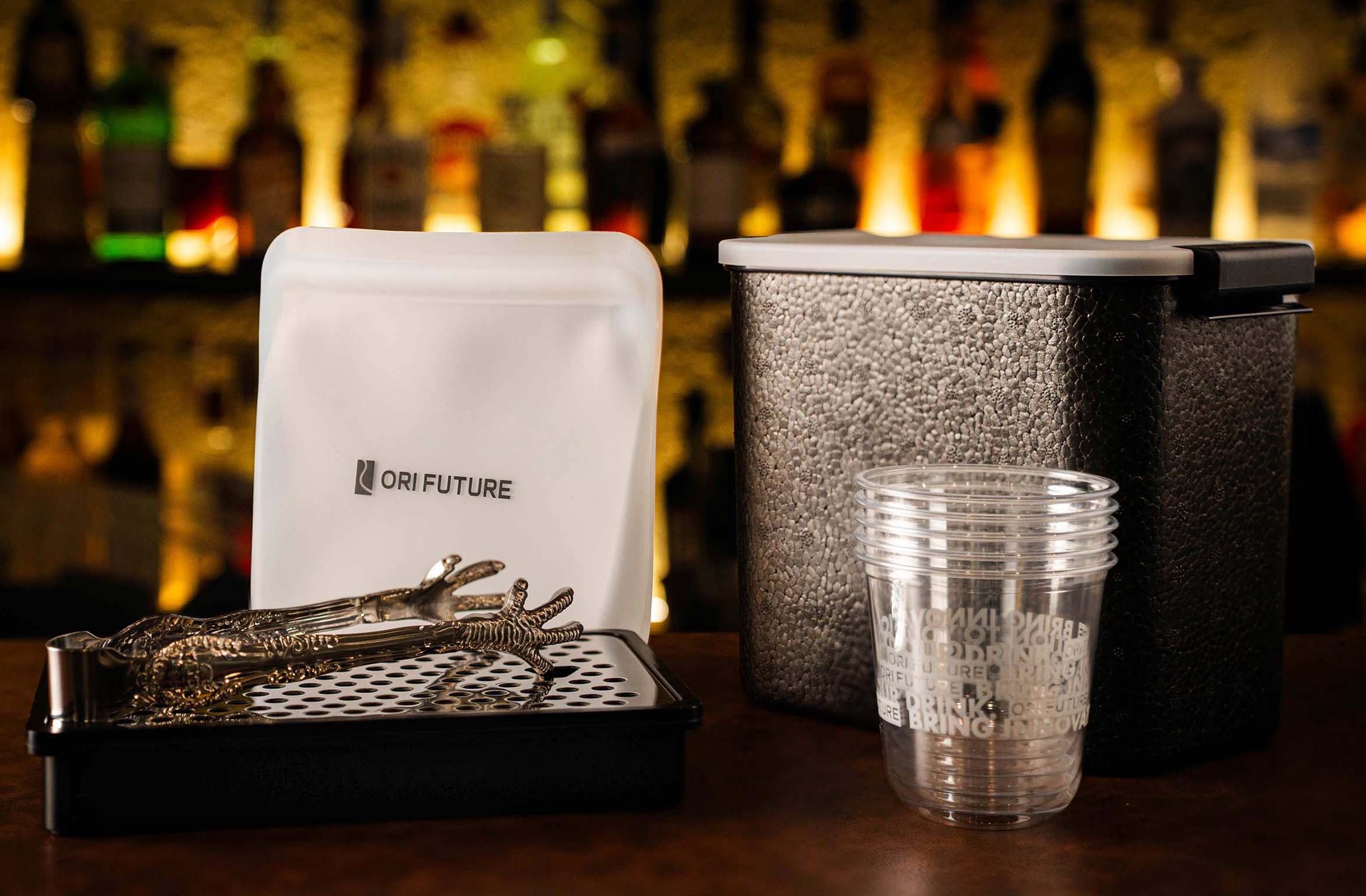
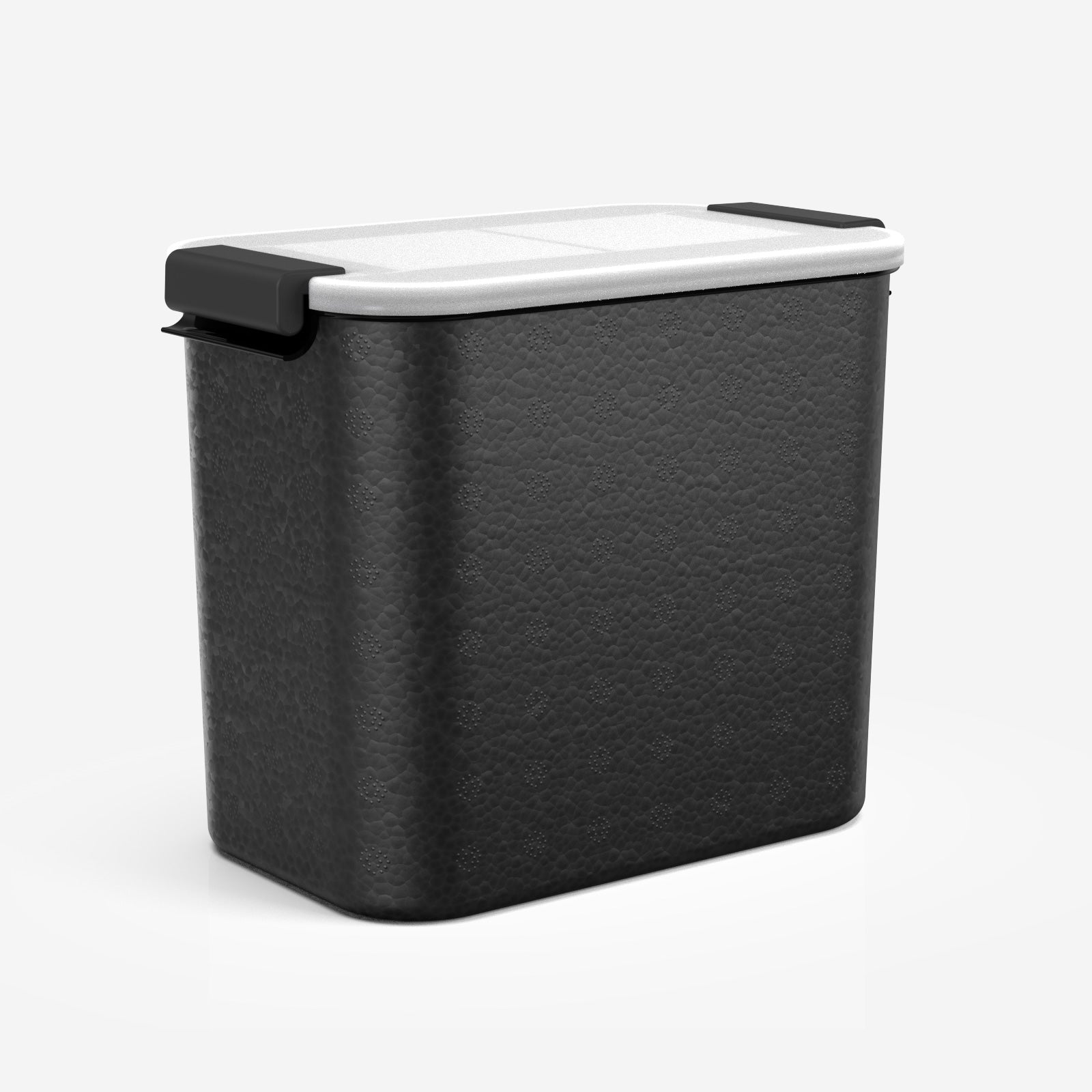
For those who demand crystal-clear ice, standard silicone molds are insufficient. The industry standard for creating perfectly clear ice is "directional freezing." This method utilizes an insulated cooler base that forces the water to freeze from the top down, pushing air bubbles and impurities to the bottom of the reservoir, away from the ice spheres.
However, because the sides and bottom of the mold are heavily insulated, the time it will take for a whiskey ice ball to freeze increases significantly. When using a directional freezing system, enthusiasts often ask how long does it take for a whiskey ice ball to freeze perfectly clear? You must anticipate a minimum of 24 to 30 hours. Attempting to remove the ice any sooner will result in a hollow, liquid center. The massive time investment required for directional freezing is a major pain point for high-volume bars and frequent home entertainers.
The GLAZER Press Solution: Advanced ICE Press Technology

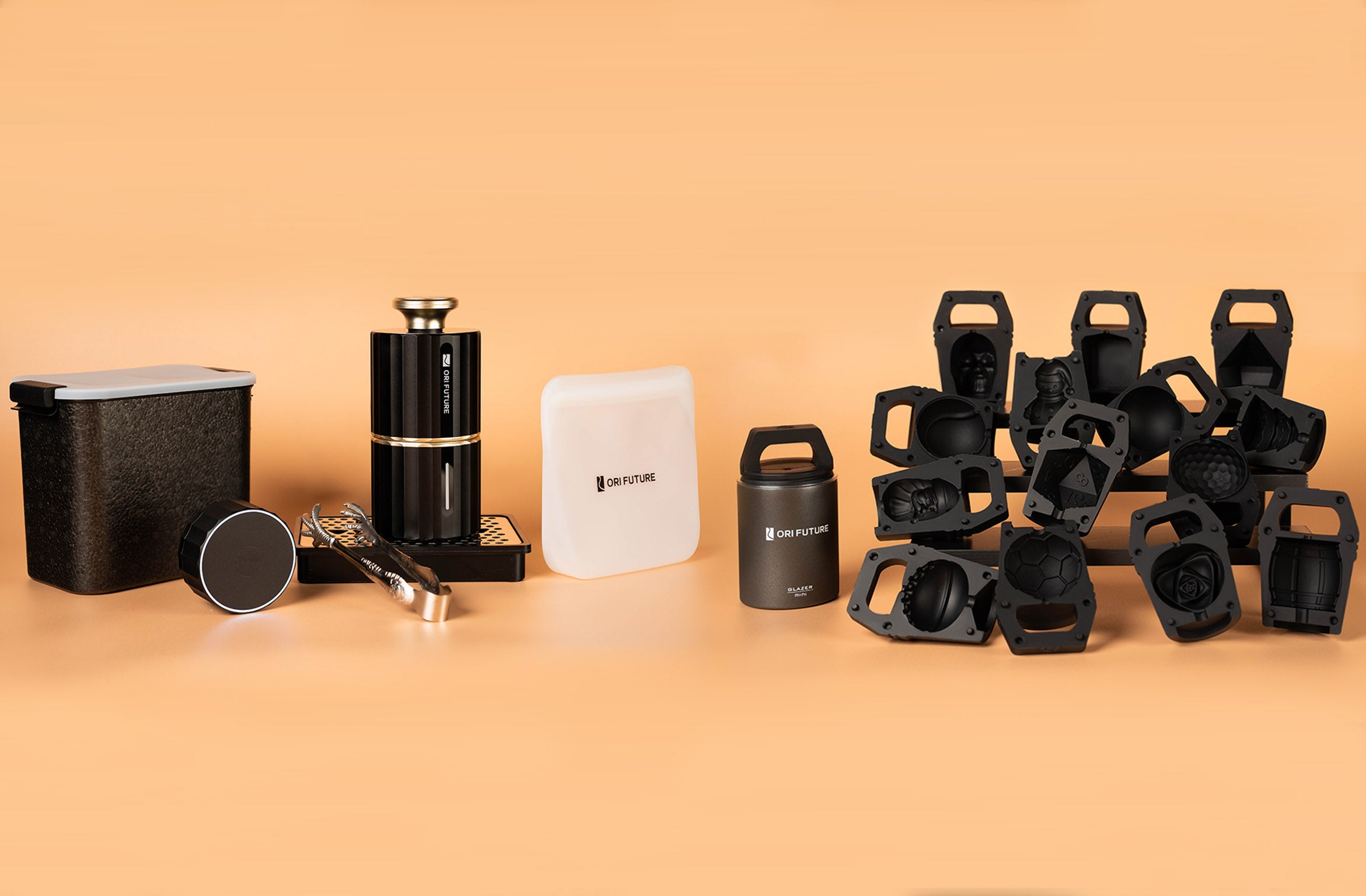
Waiting over a day for clear ice is inefficient. At GLAZER Press, we recognized the frustration of wondering how long it will take for a whiskey ice ball to freeze. We engineered a solution that bypasses the mold-freezing wait entirely. The GLAZER Press whiskey ice ball machine is widely recognized as The Most Advanced ICE Press in the World.
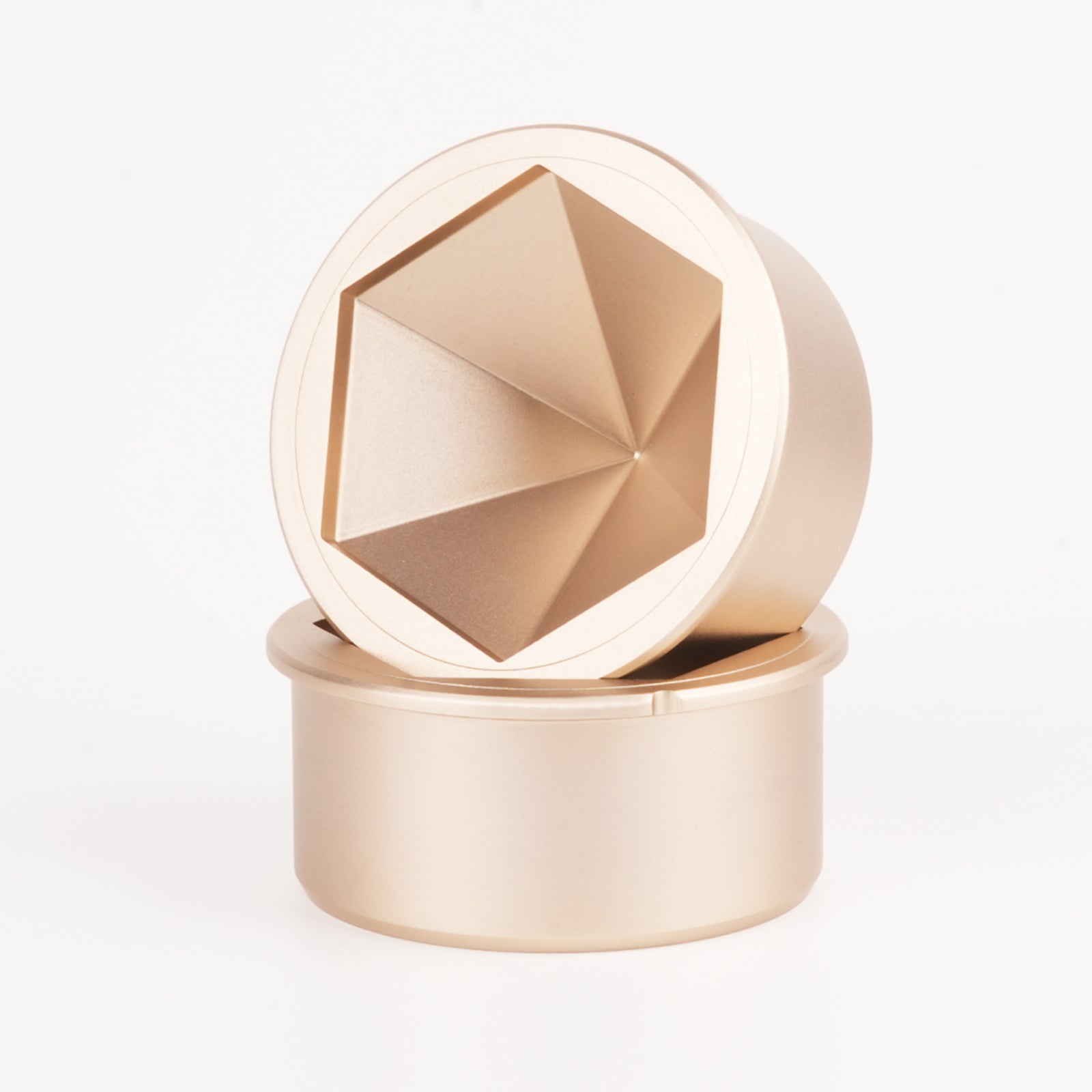
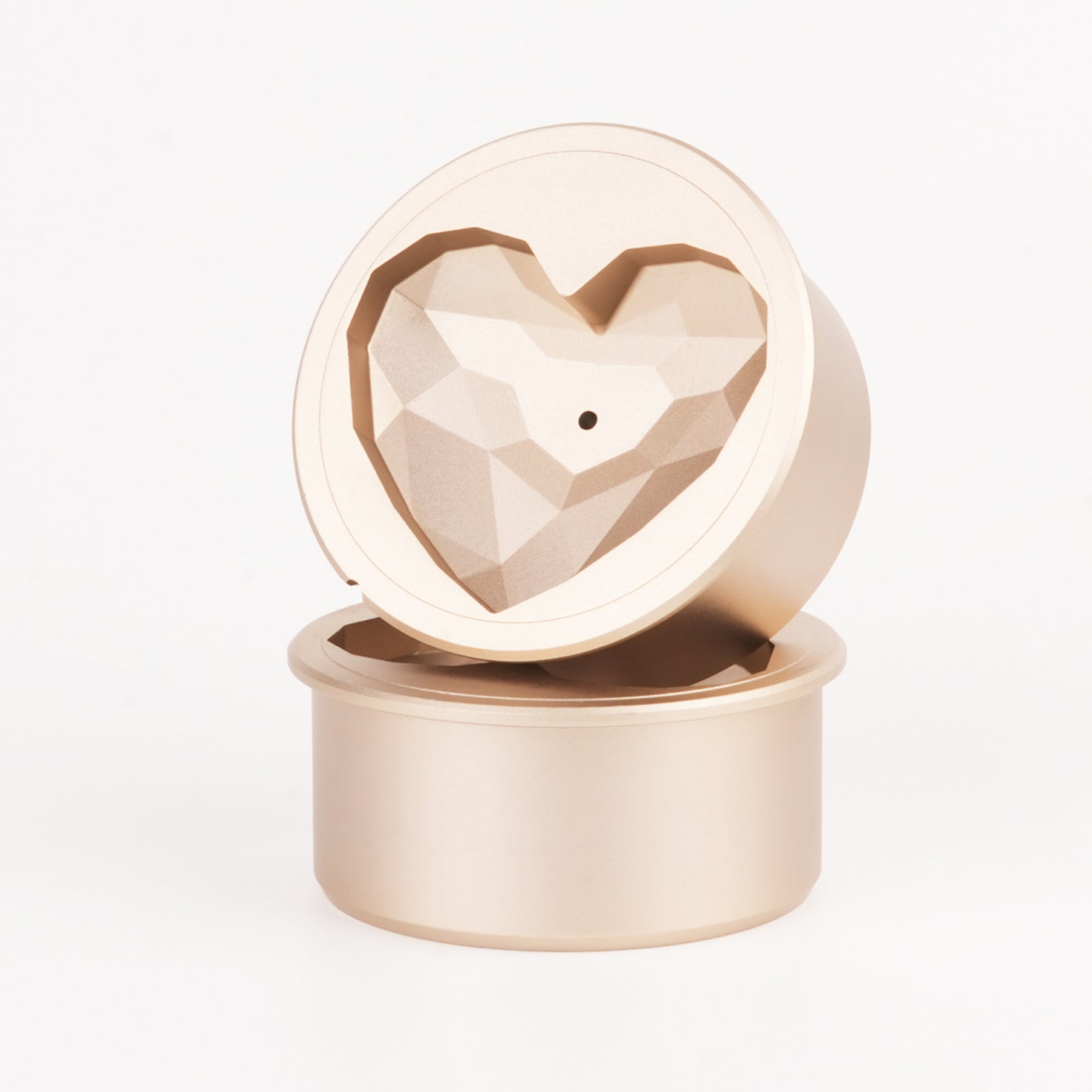
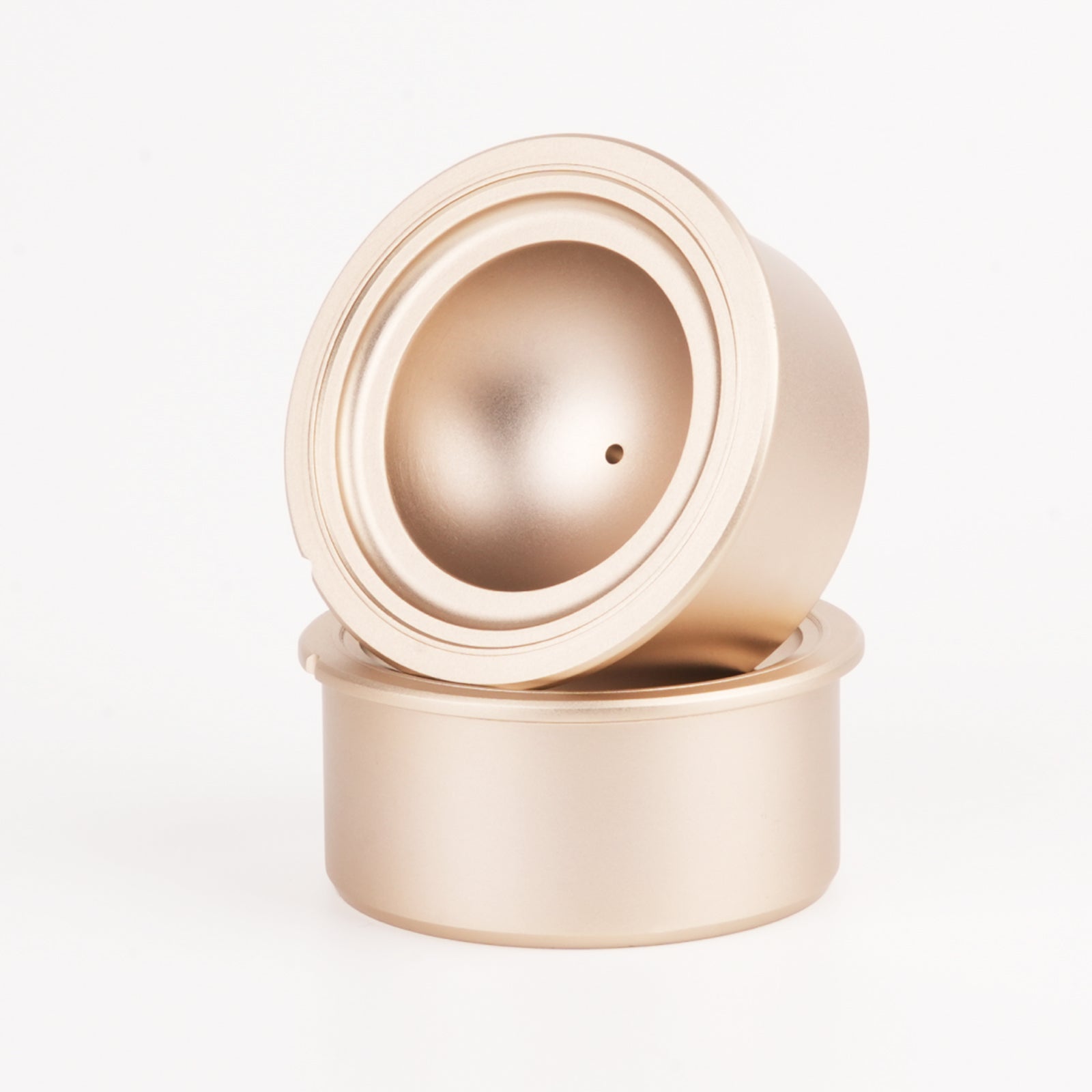
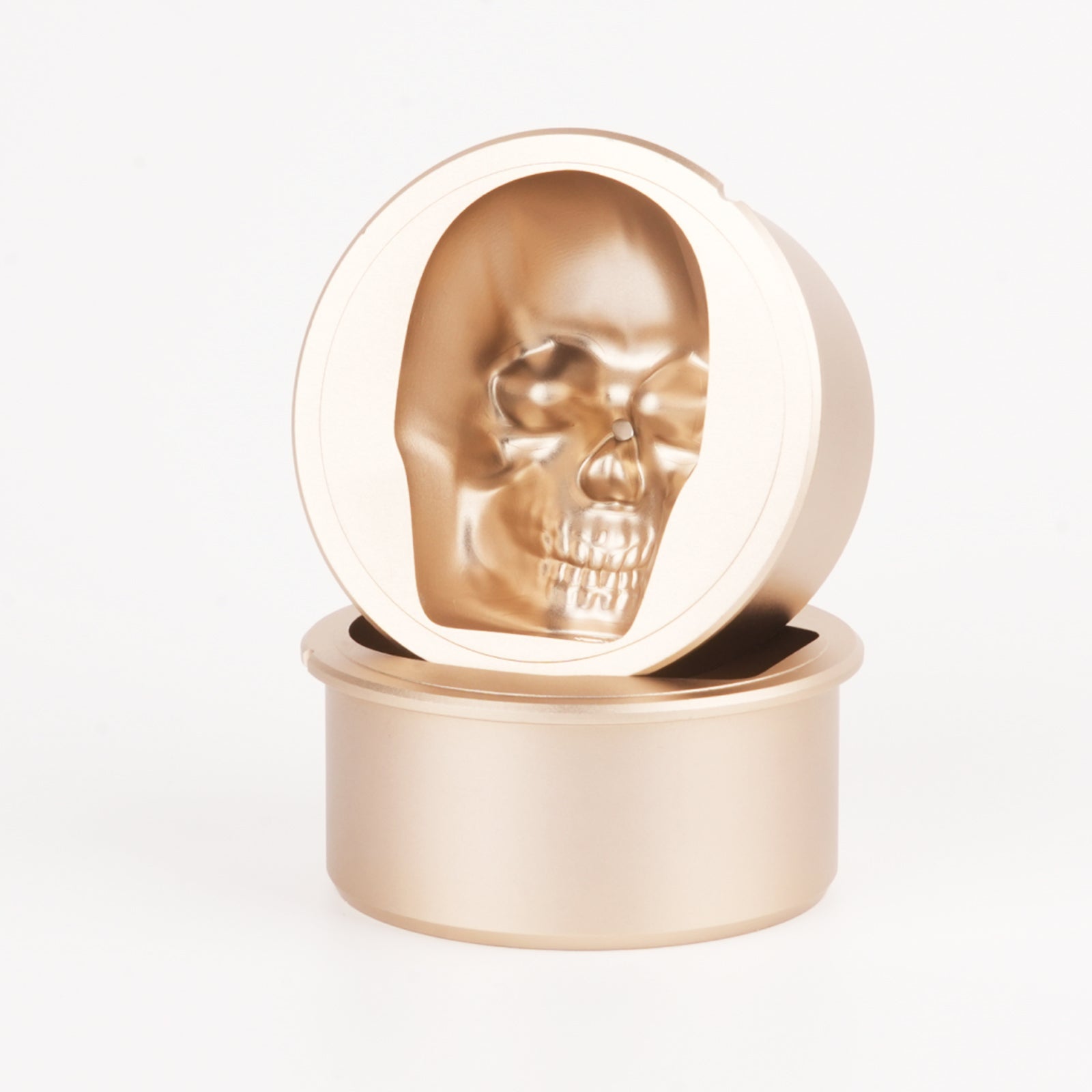
Instead of freezing water inside a spherical mold, you utilize pre-frozen blocks of clear ice (which can be bulk-purchased or bulk-frozen in advance). You place the ice block into the GLAZER Press, and through a combination of gravity, thermal conductivity, and our advanced heating pulse technology, the press seamlessly melts the block into a perfect sphere in less than a minute. This completely eliminates waiting for the time it will take for a whiskey ice ball to freeze inside a silicone mold prior to serving.
Our machine is engineered with precision specifications to guarantee flawless performance and longevity in both commercial and luxury home bar settings.
| Specification Category | Detail |
|---|---|
| Color | Black |
| Product Size | 6 × 6 × 11 inches (16 × 16 × 28 cm) |
| Product Weight | ~4.4 pounds (~2 kg) |
| Power Requirement | 100~120 V / 220~240 V | 600 W |
| Heating Pulse Temp. | 100 °F (37.8 °C) |
| Inserts Size | 3.2 × 3.2 × 1.6 inches (8 × 8 × 4 cm) |
| Inserts Weight | 0.9~1.5 pounds (400~700 grams) |
| Operating Ambient Temperature | 60° to 86°F (15° to 30°C) |
By utilizing the GLAZER Press, you negate the hours it would take for a whiskey ice ball to freeze, transforming rough blocks into geometric perfection instantly.
Summary Table: Freezing Times by Method
To provide a clear overview of the time investments required for different ice preparation methods, we have compiled the following summary table. This data illustrates exactly how long does it take for a whiskey ice ball to freeze based on your chosen equipment.
| Freezing Method | Average Freezing Time | Ice Quality (Clarity) | Efficiency Rating |
|---|---|---|---|
| Standard Silicone Sphere Mold | 4 to 6 Hours | Poor (Cloudy Center) | Low |
| Directional Freezing System | 24 to 30 Hours | Excellent (Crystal Clear) | Very Low |
| GLAZER Press Machine | Under 60 Seconds (from block) | Flawless (Crystal Clear) | Maximum |
Expert Tips for the Perfect Whiskey Ice
From our experience, the visual and thermal quality of your ice dictates the ultimate whiskey-drinking experience. We recommend the following best practices for ice management:
- Temper Your Ice: Never drop a freshly frozen piece of ice directly into room-temperature whiskey. The severe thermal shock will cause the ice to crack and splinter. We recommend letting your ice rest at room temperature for 3 to 5 minutes until it looks slightly glossy before pouring your spirit.
- Use Filtered Water: Impurities and hard minerals not only cause cloudiness but can also negatively alter the taste of your whiskey. Always use filtered or distilled water when preparing your ice blocks.
- Avoid Freezer Burn: Ice absorbs ambient odors from the freezer over time. If you pre-make ice blocks for your GLAZER Press, store them in an airtight, freezer-safe bag or container to preserve their neutral taste profile.
Frequently Asked Questions (FAQs)
How long does it take for a whiskey ice ball to freeze if I use hot water?
While the Mpemba effect suggests hot water can freeze faster under certain conditions, in standard residential freezers, using hot water in a silicone mold usually extends the time it will take for a whiskey ice ball to freeze because the freezer must work harder to remove the initial thermal energy.
Why does directional freezing take so long?
Directional freezing forces the water to freeze slowly from one direction (usually top to bottom) by insulating the other sides. This slow process is necessary to push air bubbles down, but it drastically increases the total time it will take for a whiskey ice ball to freeze, often requiring over 24 hours.
Can the GLAZER Press be used continuously for high-volume settings?
Yes. The GLAZER Press is engineered with a 600 W power system and a Heating Pulse Temp of 100 °F. This allows the press to recover its thermal baseline rapidly, making it ideal to eliminate the time it would take for a whiskey ice ball to freeze in busy commercial bars.
Does a spherical ice ball really melt slower than a large cube?
Absolutely. A sphere has the smallest surface area relative to its volume compared to any other geometric shape. Less surface area exposed to the liquid means a slower heat transfer rate, ensuring minimal dilution of your whiskey.
References
- GLAZER Press Technical Engineering Data and Product Specifications, 2026.
- Journal of Fluid Mechanics: Thermodynamics of Directional Freezing and Ice Clarity.
- The Mixology Institute: The Impact of Ice Geometry on Spirit Dilution Rates.