
7 Expert Tips to Choose the Right Whiskey Ice Ball Maker for Your Bar
For the discerning whiskey aficionado, the quality of the spirit in the glass is only half of the equation. The temperature management and controlled dilution provided by the ice dictate the final tasting profile of premium bourbons, scotches, and ryes. Adding standard, highly aerated crescent ice to an aged single malt accelerates dilution, destroying the delicate ester profile and flattening the aromatic compounds. To preserve the integrity of the pour, professionals and home enthusiasts alike must choose the right whiskey ice ball maker.

From our experience engineering thermodynamic bar tools, navigating the saturated market of ice molds, traditional gravity presses, and advanced heated machines requires a thorough understanding of mixology science and operational efficiency. When you choose the right whiskey ice ball maker, you transition from simply cooling a beverage to crafting a curated sensory experience. In this authoritative guide, we outline seven critical criteria to help you choose the right whiskey ice ball maker, ensuring that your investment yields flawless, slow-melting spheres every single time.
Table of Contents
- 1. Understand the Science of Thermodynamics and Dilution
- 2. Evaluate the Production Method: Traditional Molds vs. Thermal Presses
- 3. Assess Output Speed and Back-to-Back Capabilities
- 4. Demand Versatility with Interchangeable Geometries
- 5. Analyze Portability and Spatial Footprint
- 6. Examine Power, Heating Mechanics, and Ambient Constraints
- 7. Prioritize Usability, Maintenance, and Workflow Integration
- Summary Table: GLAZER Press Specifications
- Frequently Asked Questions (FAQs)
- Industry References
1. Understand the Science of Thermodynamics and Dilution
Before analyzing hardware, one must understand the fundamental geometry of ice. A sphere represents the lowest possible surface area-to-volume ratio of any three-dimensional object. In the context of a cocktail, this means the ice ball exposes the minimal amount of its surface to the ambient liquid, resulting in a drastically slower melt rate compared to standard cubes. When you aim to choose the right whiskey ice ball maker, your primary goal is achieving perfect geometric symmetry to prevent uneven melting.
From our experience, an imperfect sphere with seams or flat edges will melt unevenly, causing unpredictable temperature shifts and rapid water dispersion in the glass. This rapid dilution dulls the tasting notes of the spirit. To choose the right whiskey ice ball maker, you must insist on equipment that produces a flawless, seamless sphere. A mathematically perfect ice ball chills the whiskey efficiently while holding its structural integrity long enough for the drinker to enjoy the full evolution of the spirit's flavor profile.
2. Evaluate the Production Method: Traditional Molds vs. Thermal Presses
The market is flooded with inexpensive silicone molds, but these tools are plagued by inconsistencies. Silicone acts as an insulator, trapping air bubbles and impurities in the center of the ice, which leads to cloudy, brittle spheres that crack upon contact with room-temperature alcohol. Furthermore, freezing water in a silicone mold takes upwards of 24 hours per batch. If you want to elevate your beverage program, you must choose the right whiskey ice ball maker by moving away from static molds and toward active thermal presses.
Thermal ice presses utilize the thermodynamic principles of heat transfer to melt a raw block of ice into a perfect shape. Traditional presses rely solely on the ambient room temperature and the heavy mass of copper or aluminum to conduct heat. However, these traditional presses cool down rapidly after one use, requiring long recovery times under warm water. We recommend looking for actively heated machines. When you choose the right whiskey ice ball maker, active heating completely eliminates recovery time and guarantees a pristine, polished finish on the ice.
3. Assess Output Speed and Back-to-Back Capabilities
In a commercial bar setting, or even when hosting a private tasting event at home, speed is a non-negotiable metric. Waiting ten minutes for a heavy aluminum press to recover its ambient heat between uses disrupts the workflow and frustrates patrons. To choose the right whiskey ice ball maker, you must evaluate the machine's throughput capacity.

The GLAZER Press whiskey ice ball machine operates on an entirely different level of efficiency. Engineered for high-volume environments, it features continuous back-to-back pressing capabilities. The pressing time is an astonishing 2 minutes per round. Because the unit utilizes an active heating pulse, there is zero downtime required to warm the metal between pressings. If volume and speed are critical to your operations, you must choose the right whiskey ice ball maker that can keep pace with a Friday night service without compromising the quality of the ice.
4. Demand Versatility with Interchangeable Geometries
While the standard 2.5-inch sphere is the classic choice for a rocks glass, modern mixology demands visual innovation. A high-end cocktail program should offer unique visual experiences to differentiate itself from competitors. Therefore, when you choose the right whiskey ice ball maker, versatility should be a prime consideration. A static press that only produces one shape limits your creative potential.
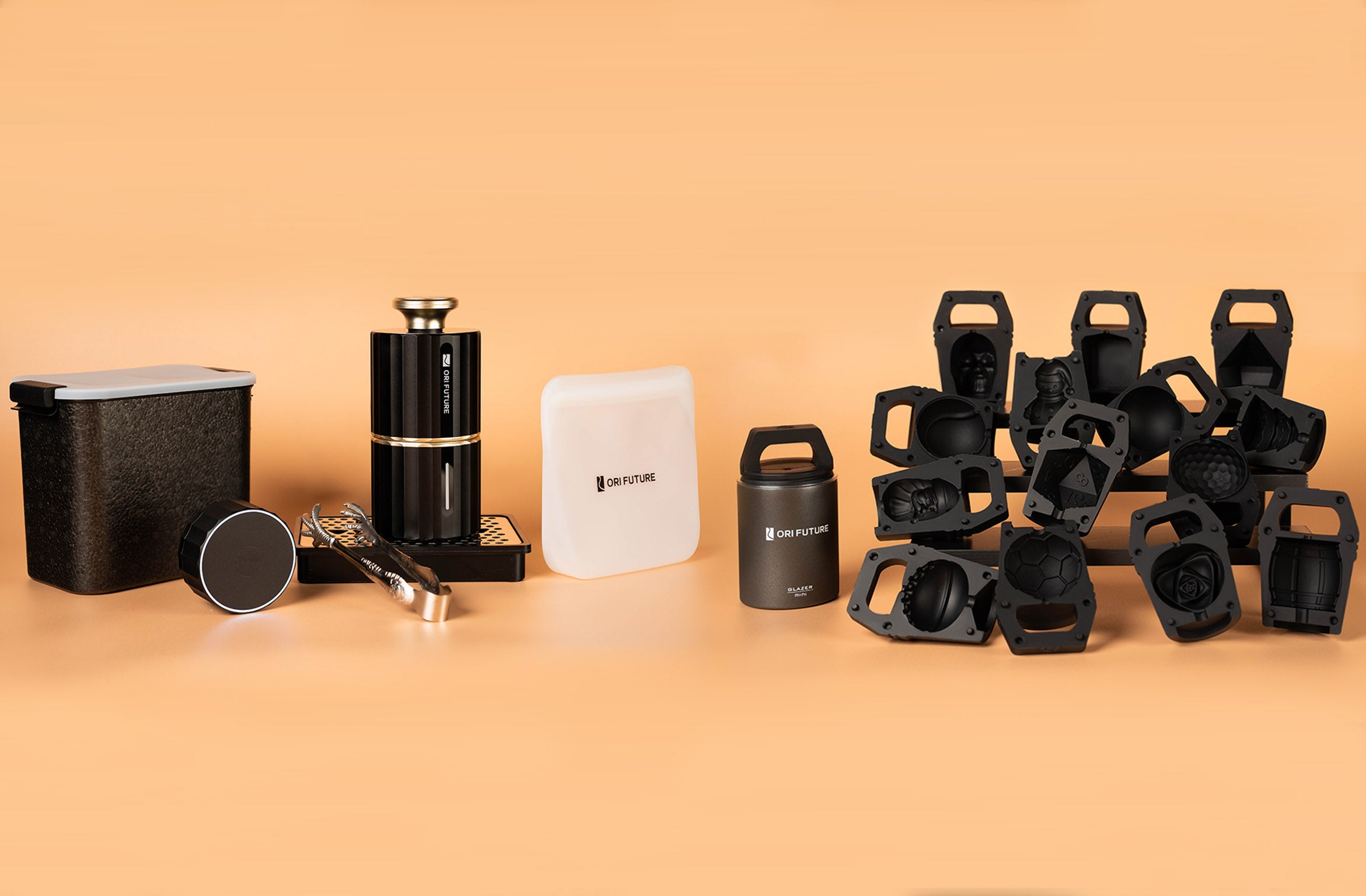
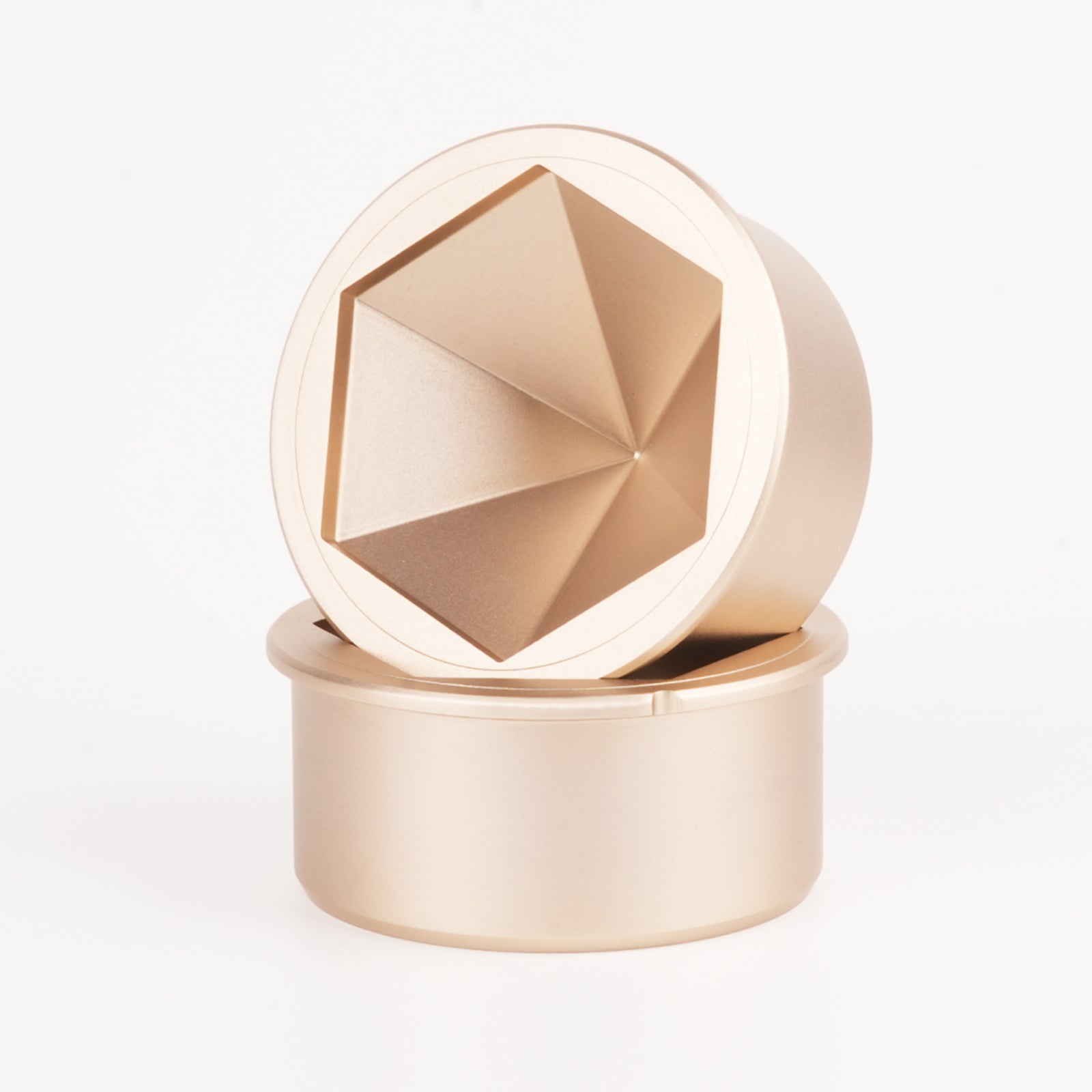
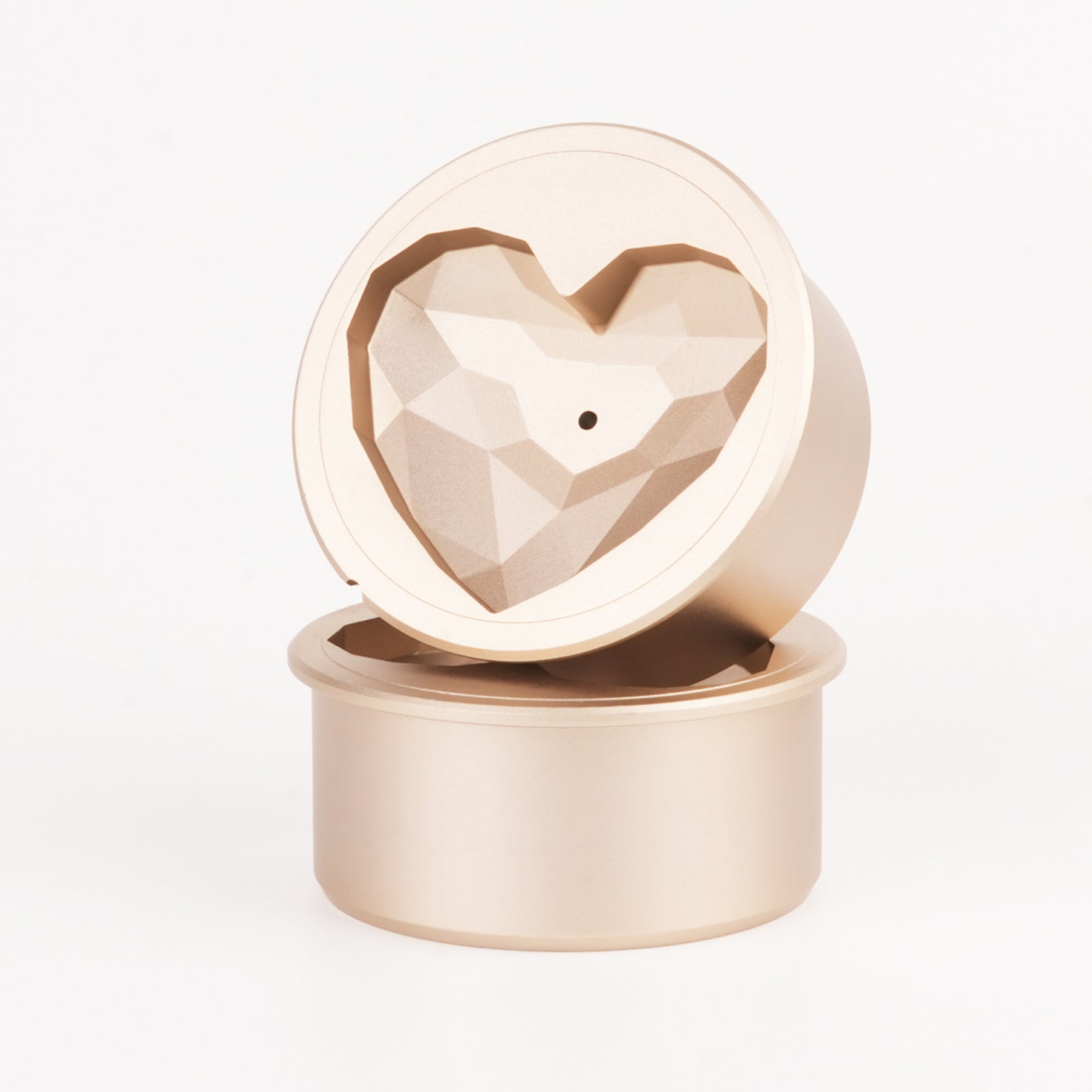
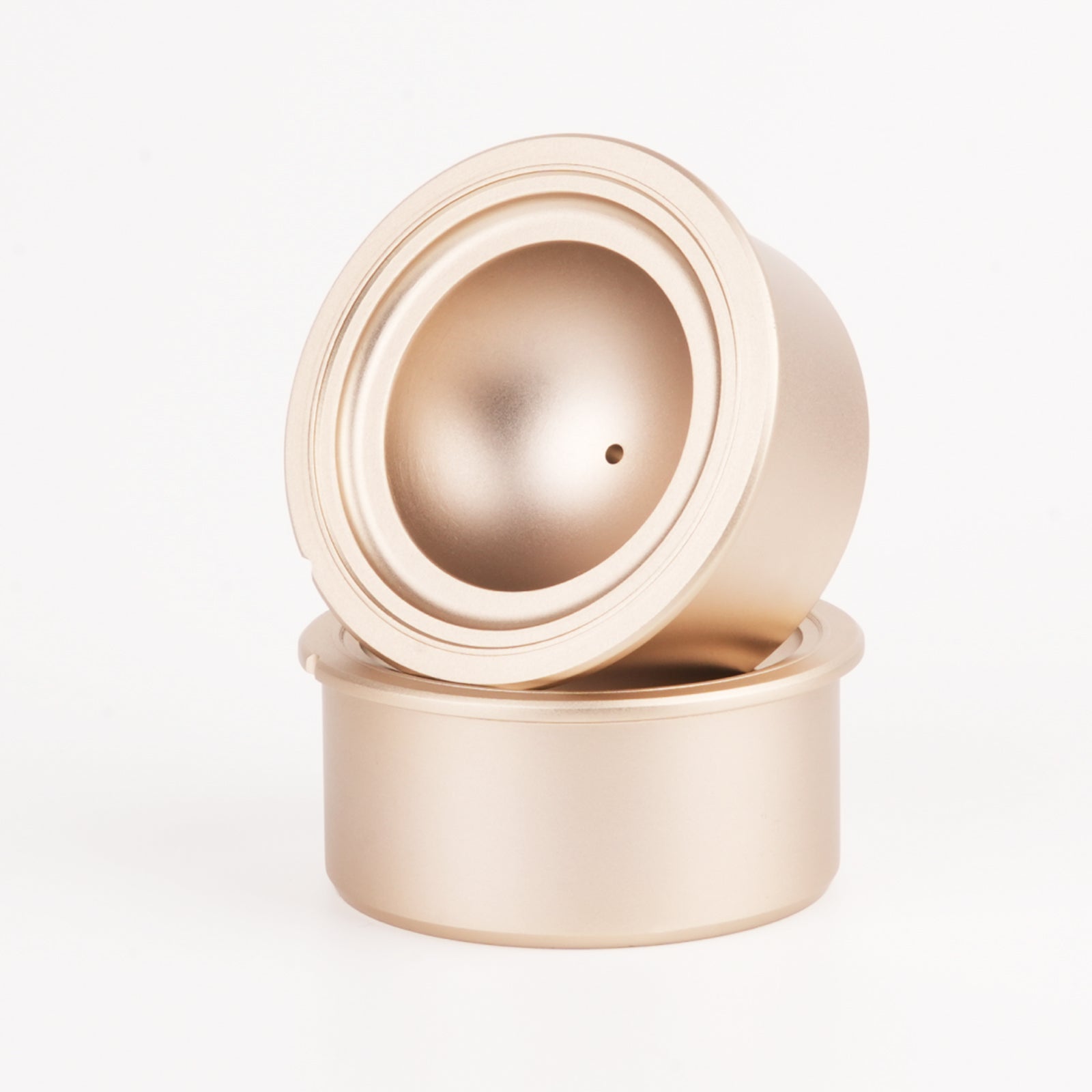
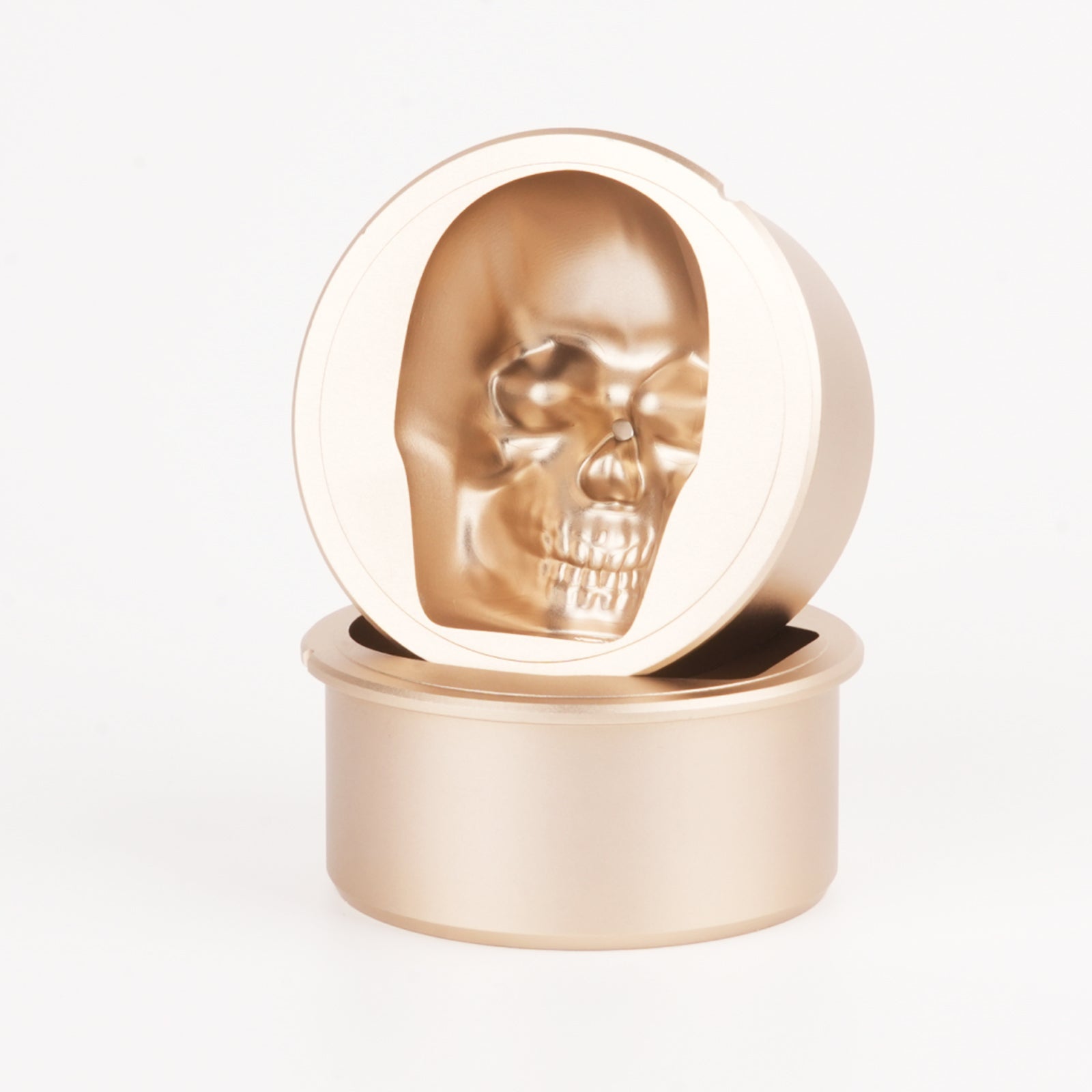
We recommend investing in a system that offers modular flexibility. The GLAZER Press is equipped with a revolutionary magnetic insert system. Instead of purchasing multiple expensive machines, operators can effortlessly change inserts to produce a variety of stunning shapes. Current insert options include a Skull, Diamond, Heart, Saturn, and the classic Sphere. These magnetic inserts, which measure 3.2 x 3.2 x 1.6 inches and weigh between 0.9 and 1.5 pounds (400 to 700 grams), snap into place instantly. To choose the right whiskey ice ball maker, look for this level of adaptable engineering.
5. Analyze Portability and Spatial Footprint
Bar real estate is incredibly valuable. Heavy, archaic gravity presses can weigh upwards of 15 to 20 pounds, making them dangerous to move and cumbersome to store. Furthermore, their massive footprint dominates the preparation area. When evaluating how to choose the right whiskey ice ball maker, physical dimensions and weight must align with your workspace constraints.
The GLAZER Press was meticulously designed to solve this spatial dilemma. Despite containing advanced heating technology, the product size is a highly compact 6 x 6 x 11 inches (16 x 16 x 28 cm). More impressively, the total product weight is approximately 4.4 pounds (roughly 2 kg). This makes the unit fully portable, allowing bartenders to move it effortlessly from the back bar to a tableside service cart. To choose the right whiskey ice ball maker, ensure the device enhances your operational flow rather than obstructing it.
6. Examine Power, Heating Mechanics, and Ambient Constraints
The technological core of an active ice press dictates its performance. To successfully choose the right whiskey ice ball maker, one must look closely at the electrical specifications and the machine's operating parameters. A machine with insufficient wattage will struggle to melt dense, clear ice blocks efficiently, resulting in jagged edges or stalled pressings.
From our experience, the sweet spot for rapid, flawless ice shaping requires substantial but highly controlled thermal output. The GLAZER Press operates on standard voltages (100~120 V / 220~240 V) with a robust 600 W power draw. This power drives the Heating Pulse Temp accurately to 100 °F (37.8 °C). This specific temperature is mathematically calibrated to melt the ice block rapidly without causing thermal shock, which could fracture the ice. Furthermore, the machine is designed to function optimally within an operating ambient temperature range of 60° to 86°F (15° to 30°C). When you choose the right whiskey ice ball maker, you must verify that its thermal mechanics can handle your specific environmental conditions.
7. Prioritize Usability, Maintenance, and Workflow Integration
The final consideration when you need to choose the right whiskey ice ball maker is long-term maintenance and daily usability. A machine that requires complex disassembly to clean or demands rigorous daily calibration will inevitably be abandoned by busy staff. True engineering excellence is defined by simplicity of use.
The GLAZER Press excels in this category due to its sleek, black exterior and minimalist interface. The magnetic inserts eliminate the need for tools or screws when changing shapes mid-service. Cleaning the unit involves a simple wipe-down with a microfiber cloth, as the controlled 100°F heating pulse prevents excess frost buildup. We recommend prioritizing devices that integrate seamlessly into your existing prep routines. To choose the right whiskey ice ball maker is to choose a tool that empowers your bartenders rather than burdening them.
Summary Table: GLAZER Press Specifications
To assist in your procurement process and demonstrate what to look for when you choose the right whiskey ice ball maker, we have compiled the definitive specifications of the GLAZER Press below.
| Specification Category | GLAZER Press Details |
|---|---|
| Product Classification | The Most Advanced ICE Press in the World |
| Color Aesthetics | Matte Black |
| Physical Dimensions | 6 x 6 x 11 inches (16 x 16 x 28 cm) |
| Unit Weight | Highly Portable at ~4.4 pounds (~2 kg) |
| Power Specifications | 100~120 V / 220~240 V | 600 W |
| Thermal Control | Heating Pulse Temp. 100 °F (37.8 °C) |
| Insert Dimensions | 3.2 x 3.2 x 1.6 inches (8 x 8 x 4 cm) |
| Insert Weight Variance | 0.9~1.5 pounds (400~700 grams) |
| Operating Environment | Ambient temperature: 60° to 86°F (15° to 30°C) |
| Production Capacity | Continuous Back-to-Back Pressing (Yes) |
| Operational Speed | 2 mins per round |
| Shape Customization | Magnetic Inserts: Skull, Diamond, Heart, Saturn, Sphere |