


The Ultimate Guide to Spirits for Christmas Ice Ornaments
Reach for high-proof clear spirits when you build ice for your cocktail themed Christmas ornaments. Vodka, white rum, and certain clear gins freeze clearly and add festive flair to every pour. These spirits skip the cloudiness that darker bottles bring. They also freeze more reliably in a home freezer.
Your spirit choice shapes three things: how clear the ice turns out, whether it freezes at all, and how safe the final drink is. This guide covers each one. You will learn which bottles work best and how much to pour.
So grab a clear bottle and get ready. Your holiday drinks deserve ice that looks as good as it tastes.
Key Takeaways
Choose clear spirits like vodka, white rum, or clear gin for crystal-clear ice ornaments.
Mix about one part spirit with three to four parts water for ornaments that freeze solid.
Use directional freezing molds to push out bubbles and minerals for clearer ice.
Label any ornaments that contain alcohol to keep guests informed and safe.
Test a small batch first to find the right spirit ratio for your freezer.
Why Clear Spirits Freeze Best
How Alcohol Affects Freezing
Ethanol changes how water behaves in your freezer. Pure water freezes at 32°F. Add ethanol, and the mixture needs much colder air to turn solid. This effect is called freezing point depression, and it scales with strength. Proof is simply twice the alcohol percentage, so 80-proof vodka is 40% alcohol. That 80-proof bottle won't freeze until the temperature drops to about -27°C (-16°F). A 24-proof pour (12% alcohol) freezes at -6.7°C (20°F), while an 84-proof spirit holds out until -34.44°C (-30°F). The pattern is simple: the higher the proof, the lower the freezing point. This matters for ornaments because the water in your mix must turn solid enough to hold the shape.
Substance |
Freezing Point (°C) |
Freezing Point (°F) |
|---|---|---|
80-proof vodka (40% ABV) |
-27 |
-16 |
Water |
0 |
32 |
That table explains why your home freezer matters. Most freezers run far warmer than -27°C, so a very high-proof spirit may never fully set. Aim for the sweet spot around 80–100 proof. These bottles freeze reliably in a standard freezer and still carry real spirit character. Anything stronger asks for a colder machine than most kitchens own. Check your freezer dial before you pour. A setting near its coldest point gives you the best odds of a solid ornament. If your first batch stays slushy, drop the spirit ratio and try again. A typical home freezer sits near 0°F, which is well above the -16°F that 80-proof vodka needs. That gap is why a spirit bottle never freezes solid on its own. You freeze a mix, and the water in that mix does the heavy lifting.
The Clarity Connection
Cloudy ice comes from trapped air and minerals. A standard freezer chills water from the edges inward, so bubbles and particles get locked in the center. Directional freezing flips that process. Water freezes slowly from one side, and the growing crystal pushes air and minerals ahead of it. The result is dense, transparent blocks that melt slowly and look stunning in a glass. That is the whole trick behind a crystal-clear ornament.
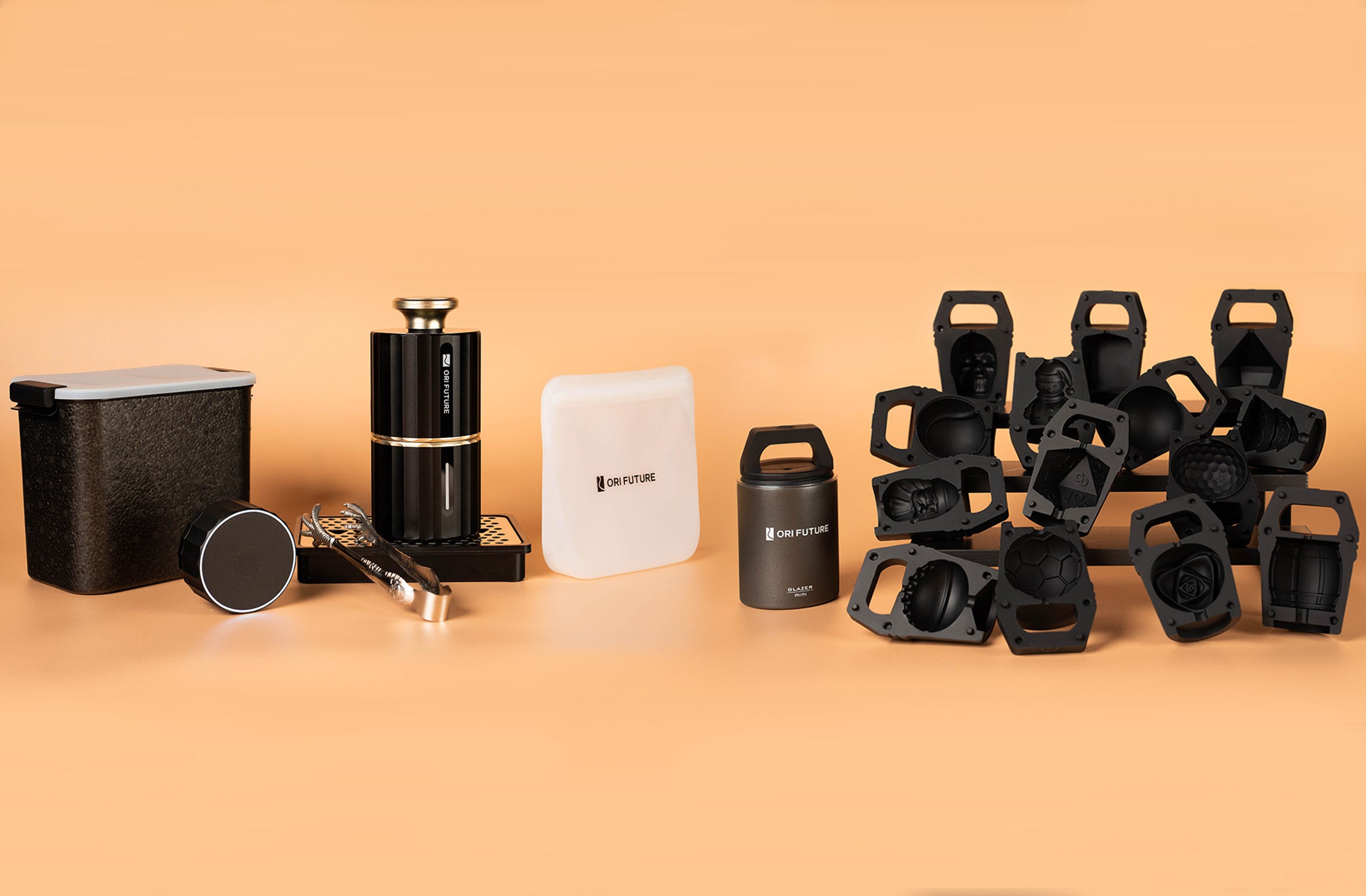
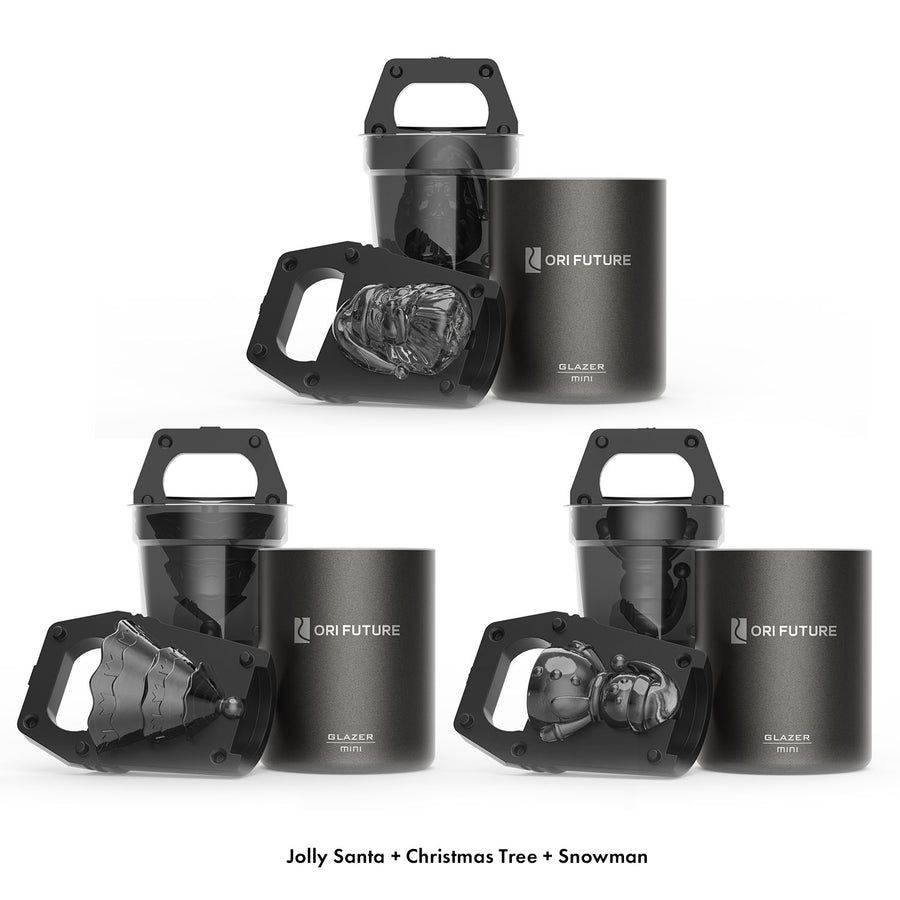
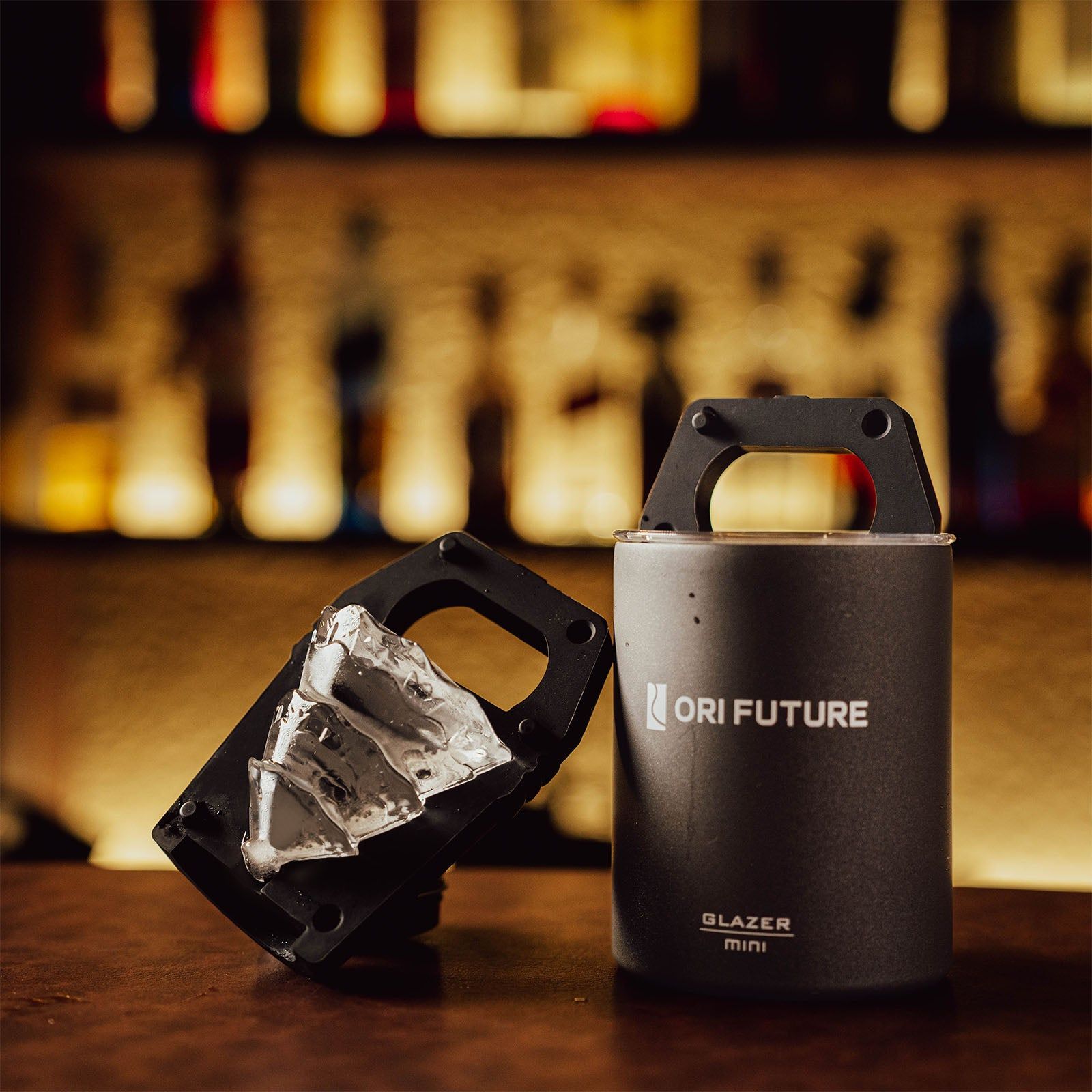
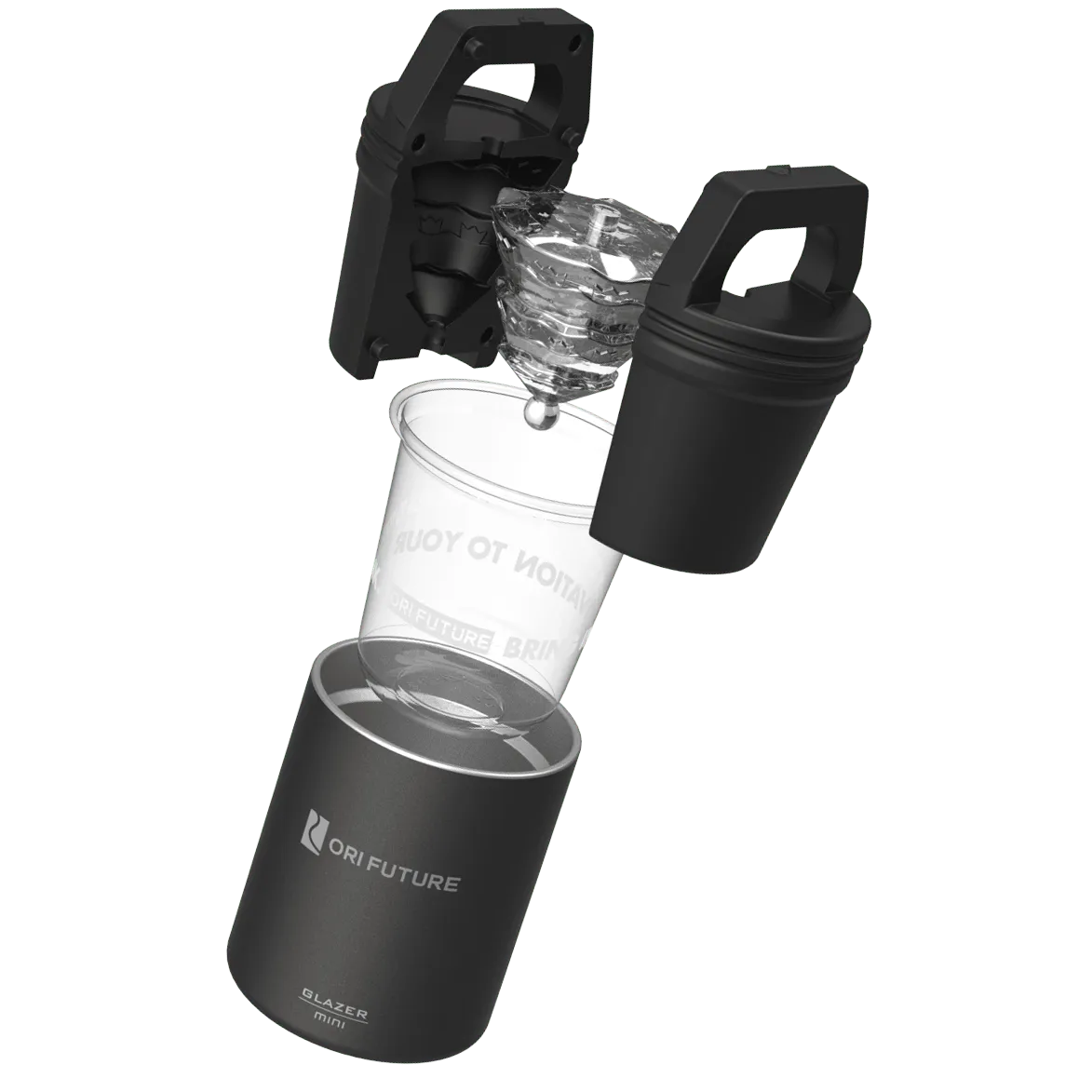
Tools like the ORI Future GLAZER mini Xmas Gift Ice use a stainless steel body to drive that directional freeze. The insulated shell slows the process and sends the freeze in one direction, so your ornaments come out crystal clear instead of foggy — far clearer than standard ice cubes. You can also try the cooler method at home: boil filtered water, pour it into an insulated mold, and leave the lid off so the top freezes first. Once frozen, trim away the cloudy bottom layer. That bottom section holds the concentrated minerals and bubbles, so you trade it for a flawless top.
Clarity also reads as premium. A bright, see-through ornament makes any drink feel bar-quality, and slow melting keeps your pour tasting strong to the last sip. That is why clear spirits pair so well with this technique. Dark spirits carry color compounds that can tint the result, and their lower clarity fights the effect you worked to create. Stick with clear bottles and let the shape do the talking. A clear ornament catches the light and shows off the shape you chose. Guests notice the difference right away.
Vodka: The Reliable All-Rounder
Clarity, Freezing Point, and Cost
Vodka earns its spot as the default choice for a simple reason: it is clear, neutral, and easy to find. Most bottles sit at 80 proof, which freezes at -27°C (-16°F). That lands right in the sweet spot for a home freezer. You get a solid ornament without cranking the dial to its coldest setting. Higher-proof bottles exist, but they push the freezing point lower and ask more of your freezer. Stick near 80 proof and you keep the process simple.
Clarity is the other win. Vodka carries no color compounds, so nothing tints your ice. Pair it with directional freezing and the ornament comes out bright and see-through. Cost works in your favor too. You do not need a premium bottle here. A mid-range vodka freezes just as clearly as an expensive one, and the ice hides any subtle differences in the spirit itself. Save the top-shelf pour for the glass, not the mold.
Best Uses in Ornaments
Vodka shines whenever you want the shape to be the star. A Christmas Tree ornament made with vodka stays perfectly transparent, so the tree silhouette reads cleanly against any drink. It also plays well with others. Vodka will not fight citrus, cranberry, or champagne, which makes it the safest pick for ornament mimosas and bubbly cocktails.
Reach for vodka when you plan to test ratios or try a new mold. Its neutral profile means a failed batch costs you little in flavor. You can also freeze vodka ornaments ahead of a party and store them, since the clear result holds up well over time. For first-timers and seasoned hosts alike, this bottle delivers predictable results every batch.
White Rum: A Festive Favorite
Performance and Flavor Profile
White rum brings a light, clean character to your ornament ice. Most bottles sit near 80 proof, so they freeze at about -27°C (-16°F). That puts white rum right in the sweet spot for a standard home freezer. You get a solid, well-formed ornament without pushing your freezer to its coldest setting.
The spirit stays clear in the bottle, and that clarity carries into the mold. White rum carries little color, so your ice comes out bright and see-through. Directional freezing pushes the remaining air and minerals aside, and the result looks polished. Flavor is where white rum separates itself from vodka. You catch a soft sweetness and a hint of tropical character. That gentle note adds warmth to a holiday drink without taking over. Guests often notice the difference, and it pairs beautifully with citrus and cranberry.
Where It Shines
White rum works best when you want a little personality in the glass. A Snowman ornament made with white rum feels playful and festive. The clear ice shows off the shape, and the subtle sweetness complements eggnog, punch, and fruity holiday cocktails.
Reach for white rum when you plan a tropical twist on a classic. It lifts a mojito or a rum punch and keeps the drink bright. You can also pair it with citrus-forward bubbly drinks for a brunch spread. Test your ratios with a small batch first. White rum freezes reliably near 80 proof, so you can adjust the spirit level and still get a sturdy ornament. Keep a bottle on hand for the batches where you want flavor and clarity together.
Gin: Botanical Clarity With Character
Choosing a Clear Gin
Gin gives you something vodka and white rum cannot: real character in a clear bottle. Start by reading the label for color. A classic London Dry or a modern clear gin keeps your ornament bright and see-through. Skip anything pink, barrel-aged, or infused with fruit, since those bottles carry color that tints the ice.
Check the proof next. Most clear gins land near 80 proof, which freezes at about -27°C (-16°F). That fits a standard home freezer nicely. A higher-proof bottle pushes the freezing point lower and asks more of your machine, so stay near the sweet spot for reliable results.
Do a small test batch before the big night. Freeze one ornament and check the clarity. Some gins carry botanical oils that can soften the look, and a quick trial tells you exactly what you will get.
Flavor and Appearance Trade-Offs
Here is the honest trade-off. Gin's botanicals bring juniper, citrus, and spice notes that make a holiday drink feel special. Those same oils can add a faint haze to the ice. Directional freezing helps a lot here, since it pushes impurities aside and leaves a denser, clearer result.
Match the gin to the drink. A citrus-forward gin lifts a bubbly brunch pour, and a juniper-heavy bottle stands up to tonic and cranberry. A Christmas Tree ornament made with clear gin looks elegant, and the botanical note gives guests something to talk about.
Keep your expectations realistic. Gin ice may show a touch more texture than vodka ice, and that is part of its charm. Test your ratio, taste the result, and let the flavor lead. When clarity matters most, reach for vodka. When you want personality, gin delivers.
Whiskey and Dark Spirits
Clarity and Freezing Challenges
Whiskey fights you on two fronts: color and freezing speed. Barrel aging loads the spirit with color compounds, and those compounds tint your ice. A bourbon or aged rum ornament will never look like a vodka one. Expect an amber cast instead of a bright, see-through shape.
The freeze itself adds trouble. Water freezes from the outside inward, so the outer shell hardens first and pushes dissolved minerals and gases toward the still-liquid center. That center freezes last and traps everything inside. Trapped bubbles and mineral particles scatter light, and that scattering is exactly what makes ice look cloudy or white. A fast freeze locks in even more air. Cloudy ice carries more air pockets and impurities, so it melts faster and dilutes your drink quickly. Those trapped minerals can also leave residue or fog in the glass. The numbers tell the story: cloudy ice transmits roughly 68% of light, while clear ice reaches about 92%. Clear ice melts more slowly, holds flavor, and looks better in the glass.
When They Still Work
Dark spirits still earn a place at your holiday table. Reach for whiskey when the drink itself is the star and the ornament is a supporting player. An amber pour over a tinted ornament looks warm and intentional. The color reads as a design choice, not a mistake.
You can also improve your odds. Use directional freezing to push impurities aside, then trim the cloudy bottom layer before you serve. Keep the spirit ratio modest so the water freezes solid. Skip whiskey for ornament mimosas and any drink where you want a bright, jewel-clear look. Save those pours for vodka or white rum. Match the bottle to the moment, and every ornament finds its purpose.
Liqueurs and Low-Proof Options
Sugar, Color, and Freezing Issues
Liqueurs bring flavor and color, but they also bring sugar. That sugar works against you in the freezer. A syrupy liqueur holds a lot of dissolved sugar, and dissolved sugar lowers the freezing point just like alcohol does. Pour a sweet liqueur straight into a mold and you often get a soft, slushy result instead of a firm ornament. Cream liqueurs are even trickier. They carry dairy and sugar together, and that combination rarely sets hard in a home freezer.
Color is the second hurdle. Most liqueurs carry deep hues from fruit, herbs, or caramel. Those compounds tint your ice, so a bright, see-through shape becomes a colored one. That is not always bad. It just means you should plan for it. Check the bottle before you pour. If you want a jewel-clear ornament, keep the liqueur out of the base mix.
Creative but Careful Uses
You can still put liqueurs to work. Treat them as an accent, not the main event. A small splash layered into a clear spirit base adds flavor without wrecking the freeze. Think of a peppermint or coffee liqueur swirled into a vodka ornament for a festive touch. The clear base does the freezing, and the liqueur does the flavoring.
Test a small batch first. Freeze one ornament and check how firm it sets. If it stays soft, cut back on the liqueur and add more clear spirit. You can also freeze a clear ornament and drizzle the liqueur over it at serving time. That keeps your shape crisp and your flavor bold. Guests get the best of both. Just label those ornaments clearly, since the added sugar and alcohol change the drink.
How Much Spirit to Use
Ratios for Clear, Sturdy Ornaments
Think of the spirit as a flavoring, not the base. A good starting point for any diy christmas ornament drink is a small splash per ornament — roughly one part spirit to three or four parts water. That ratio keeps the alcohol low enough for your freezer to do its job. The water freezes solid, and the splash carries the taste and the festive kick.
Too much alcohol is the most common mistake. Push the ratio toward half spirit and the mix may never set hard. You get a slushy ornament that slumps in the glass. Start modest, freeze one test ornament, and taste it. Add a little more next round if you want a stronger pour. Small batches make this easy to dial in.
Adjusting for Freezer Temperature
Your freezer setting changes everything. A colder freezer handles a stronger pour. A warmer one needs more water in the mix. Check your dial before you commit to a full tray. If your first batch stays soft, drop the spirit level and try again.
The GLAZER mini helps here. Its compact design fits neatly into any freezer, even a crowded holiday one. The plastic liner makes release effortless, so you can test different ratios back to back without a fight. Fill, freeze, pop out, repeat. A few quick trials tell you the exact mix your freezer likes. Once you find it, write it down and use it all season.
Cocktail Themed Christmas Ornaments
Pairing Spirits With Festive Shapes
Pick the spirit that fits the shape and flavor you want. A Christmas Tree looks best in clear vodka or gin, since the outline stays sharp and bright. A Snowman feels fun with white rum, and its light sweetness matches the mood. You can also add flavor to the ice itself. The pairing below gives you a starting map.
Infused Ice Shape/Flavor |
Recommended Spirit |
|---|---|
Cinnamon or vanilla |
Bourbon |
Citrus |
Rye |
Mint |
Irish whiskey |
Rosemary or cranberry |
Vodka or gin |
A festive mold set makes this simple. The GLAZER mini Xmas Gift Ice comes with a Christmas Pack of Tree, Santa, and Snowman shapes, plus an Ultimate Collection of 14 shapes for bigger parties. Any good mold works, so choose the shapes that match your theme.
Display and Serving Ideas
Presentation turns ice into decoration. Float a clear ornament in a punch bowl and let guests enjoy the shape before it melts. Drop a filled ornament into a cranberry juice cocktail for a red-and-clear contrast that stands out. A sprig of rosemary placed next to a tree-shaped cube adds a green touch.
You can also hang these on a Christmas tree of drinks — a tiered stand of glasses, each holding one ornament. For holiday parties, set out mini bottles of alcohol next to a tray of clear Christmas ornaments so guests can build their own. Label each tray, especially any cranberry juice filled ornaments, so everyone knows what they are drinking.
These cocktail themed christmas ornaments also work as gifts. Pair a mold with a small bottle and you have a host present ready to go. Serve festive cocktails with one ornament per glass, and watch the table light up. Every christmas ornament you freeze becomes part of the celebration. Try a few shapes, mix your spirits, and let your holiday cocktails shine.
Christmas Ornament Mimosas and Bubbly Drinks
Ornament Mimosas That Stay Clear
Bubbly drinks show everything. A cloudy cube turns your glass murky in seconds. That is why christmas ornament mimosas work best with clear-spirit ornaments. Freeze your shapes with vodka, white rum, or a clear gin, then drop them into the flute. The drink stays bright and jewel-clear from the first sip to the last.
Pour dry champagne or prosecco slowly over the ornament. A gentle pour keeps the bubbles alive and the glass looking clean. Skip colored mixers at the start. Add cranberry juice in a thin layer if you want a christmas cranberry drink with a red glow at the bottom. The clear ornament sits on top and the color stays put.
Dense, slow-melting ice keeps christmas ornament mimosas from diluting too fast. Directional-freezing molds like the GLAZER mini push air and minerals aside, so the cube melts slowly and holds its shape. That means your ornament mimosas taste strong through the whole brunch. Standard ice would water them down before the toast.
Tips for Brunch Presentation
Set the table before guests arrive. Fill each flute with dry champagne or prosecco and one clear ornament. Add a sprig of rosemary for a green accent. A few frozen sugared cranberries on the rim bring a frosty touch.
Build a garnish station for your ornament mimosas. Offer fresh rosemary, citrus twists, and a small bowl of cranberries. Guests can dress their own glass. The addition of cranberries and rosemary makes each christmas ornament mimosa feel custom-made.
Keep a tray of christmas ornament mimosas ready near the door. Top each glass with champagne or prosecco right before serving. Pair them with festive cocktails for guests who want something stronger. Every christmas ornament mimosa looks party-ready, and the holiday mood takes care of itself. Serve champagne or prosecco with confidence, and let your ornament mimosas steal the show.
Step-by-Step Ornament Making
Prep, Pouring, and Freezing
Good ice starts before you pour a drop. Set out your mold and check that every cavity is clean and dry. Then place your garnishes first. Drop cranberries, mint leaves, or citrus zest into each cavity before the liquid goes in. The lid traps them in place, so they sit inside the ice instead of floating to the top.
Now fill the cavities with your mixed liquid. Leave a little headroom so the lid can press down without overflow. Press on the snug, flexible lid until it seals. That seal does two jobs. It stops spills on the walk to the freezer, and it blocks freezer odors from soaking into your ice.
Freeze at least overnight. Give larger molds a full day. Clear water gives you the glassiest, most detailed tree shapes. Stack your filled trays if you have several, and build a whole batch in minutes instead of freezing one tray at a time.
A well-built mold makes this easier. The GLAZER mini uses food-grade stainless steel and a BPA-free silicone liner, and its zero-residue cleanup means you go from freeze to refill in seconds. Any mold you own follows the same steps, so work with what you have.
Unmolding and Displaying
Wait until the ice looks solid through the mold before you release it. Rushing this step cracks the shape. Run a little cool water over the outside if the ornament sticks, then press gently from the back. The shape should slide free with a soft pop.
Store finished pieces in zip-top bags. They keep for several days, so you can prep once and serve all week. That trick turns a single batch into a week of easy hosting.
Display comes next. Float a christmas ornament in a punch bowl, or drop one into a glass of cranberry juice for a bright contrast. A tray of clear shapes beside a few bottles lets guests build their own festive diy ornament drink. Label anything with added spirit so everyone knows what they are sipping.
One last note on timing. A frozen ornament holds its shape best when it goes straight from freezer to glass. Set out only what you plan to serve, and keep the rest cold. Your christmas table will look polished, and your drinks will taste strong to the final sip.
Safety and Regulatory Considerations
Food-Contact and Consumption Safety
Start with the mold itself. Anything that touches your ice should be food-grade. Look for a food-grade stainless steel body and a BPA-free silicone insert. Those materials resist bacteria, block odors and stains, and will not leach harmful chemicals into your ice. Many quality molds also carry FDA and LFGB certification, which proves the materials are safe for food contact. Check the box or product listing before you buy.
Choose food-grade, BPA-free containers for ice molds, as this avoids chemical leaching into the ice.
Then think about the drink. Alcohol in ice is a flavoring, not a measured pour. A splash of spirit in an ornament does not replace proper drink measurement. You still need to count the alcohol in the glass. If you serve a cocktail with two ornaments, that is extra spirit your guests may not expect. Measure your base drink as usual, and treat the ornament as a bonus. Keep your ratios modest, and your drinks stay both safe and balanced.
Labeling and Guest Awareness
Guests deserve to know what is in their glass. Label any ornament that contains alcohol. A small tag, a sticky note on the tray, or a card beside the punch bowl works fine. This matters most around children, who may grab a fun-shaped ice cube without thinking. It also matters for guests who avoid alcohol for personal, health, or religious reasons. A clear label lets everyone choose with confidence.
Keep the tone practical, not alarmist. You are hosting a party, not running a lab. A simple "contains vodka" note does the job. Set alcohol ornaments on one tray and plain ones on another. That small bit of separation saves you questions all night. Your guests stay informed, and you stay relaxed. Everyone gets to enjoy the celebration on their own terms.
Vodka remains your safest bet for crystal-clear ornaments. White rum adds a festive sweetness, and clear gin brings botanical charm. Each one stays clear in the bottle, so your ice comes out bright.
High-proof clear spirits give you the best clarity and freezing results. A directional-freezing mold helps too. It sends cold air to the top, so bubbles and minerals sink away and leave the upper ice glass-clear. Try a small batch, label anything with alcohol, and enjoy your christmas table. Experiment with shapes and ratios, and let every pour feel like a celebration. Your holiday drinks will look bar-quality, and your guests will notice.
FAQ
Which spirit gives me the clearest ornament?
Vodka is your safest pick. It carries no color compounds, so nothing tints the ice. White rum and clear gin also freeze bright, though gin's botanical oils can add a faint haze. Pair any of them with directional freezing for the glassiest result.
Can I freeze straight spirit into a shape?
Not reliably. An 80-proof bottle needs about -27°C (-16°F) to set, and most home freezers run warmer than that. Mix your spirit with water instead. A small splash per ornament lets the water freeze solid and hold the shape.
How long should the mold stay in the freezer?
Give it at least overnight. Larger molds need a full day. Wait until the ice looks solid through the mold before you release it. Rushing this step cracks the shape, and a cracked ornament slumps in the glass.
Will the alcohol in my ornament get guests drunk?
Treat the ornament as flavoring, not a measured pour. A splash of spirit adds taste and festive flair, but it does not replace proper drink measurement. Count the alcohol in the glass as usual, and label any ornament that contains spirit.
Can I use a dark spirit and still get clear ice?
Expect an amber cast instead of a jewel-clear shape. Barrel aging loads whiskey with color compounds, and those tint the ice. Directional freezing and trimming the cloudy bottom layer help. Save whiskey for drinks where the pour is the star.
