

5 Methods to Make Round Ice Cubes for Whiskey: The Expert Guide 2026
Whiskey is not merely a beverage; it is an experience rooted in chemistry, temperature, and time. For the connoisseur, the method of dilution is as critical as the spirit itself. A standard refrigerator ice cube melts rapidly, watering down a 15-year-old single malt before the complex notes have a chance to open up. This is where the physics of the sphere comes into play. A sphere has the lowest surface-area-to-volume ratio of any geometric shape, meaning it melts slower than a cube of the same volume. Consequently, knowing how to make round ice cubes for whiskey is an essential skill for any serious home bartender or hospitality professional.

From our extensive experience in bar logistics and mixology, we have tested every gadget, mold, and machine on the market. The difference between a cloudy, cracked ice ball and a crystal-clear sphere is night and day—not just visually, but in terms of taste. Impurities and air bubbles trapped in ice can impart off-flavors to your drink. In 2026, technology has bridged the gap between commercial ice production and home luxury. Below, we detail the five most effective methods to achieve the perfect sphere, ranging from professional-grade machinery to artisanal techniques.
- 1. The Advanced Ice Press (The Professional Standard)
- 2. Directional Freezing Molds (For Clarity)
- 3. Standard Silicone Molds (The Budget Option)
- 4. The Balloon Method (The DIY Hack)
- 5. Hand Carving (The Artisan Technique)
- The Science: Why Round Ice Matters
- Spotlight: GLAZER Press Whiskey Ice Ball Machine
- Summary Comparison Table
- Frequently Asked Questions
- References
1. The Advanced Ice Press (The Professional Standard)
If you are looking for speed, consistency, and a "wow" factor, the heated ice press is the unrivaled champion. Unlike molds that require 24 hours to freeze, a press takes a pre-made block of clear ice and physically reshapes it using thermal conductivity and gravity.

In our professional opinion, this is the only viable method for hosting parties or running a high-end home bar. Traditional aluminum presses rely on ambient temperature and can take several minutes to melt one sphere. However, modern innovation has introduced active heating elements to this process. When you need to make round ice cubes for whiskey for multiple guests, waiting 5 minutes per ball is unacceptable. This is where advanced technology like the GLAZER Press shifts the paradigm.
Recommendation: GLAZER Press Whiskey Ice Ball Machine
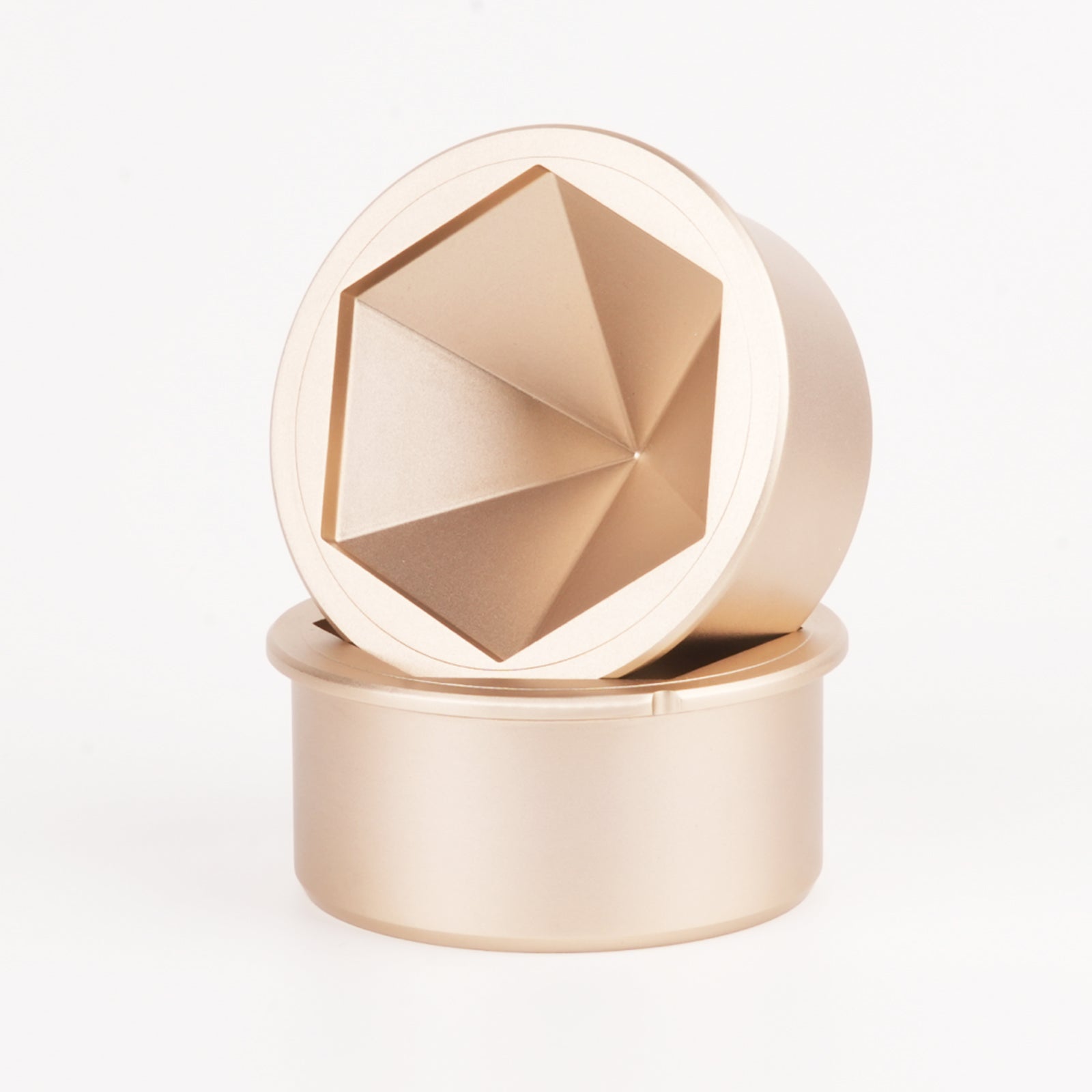
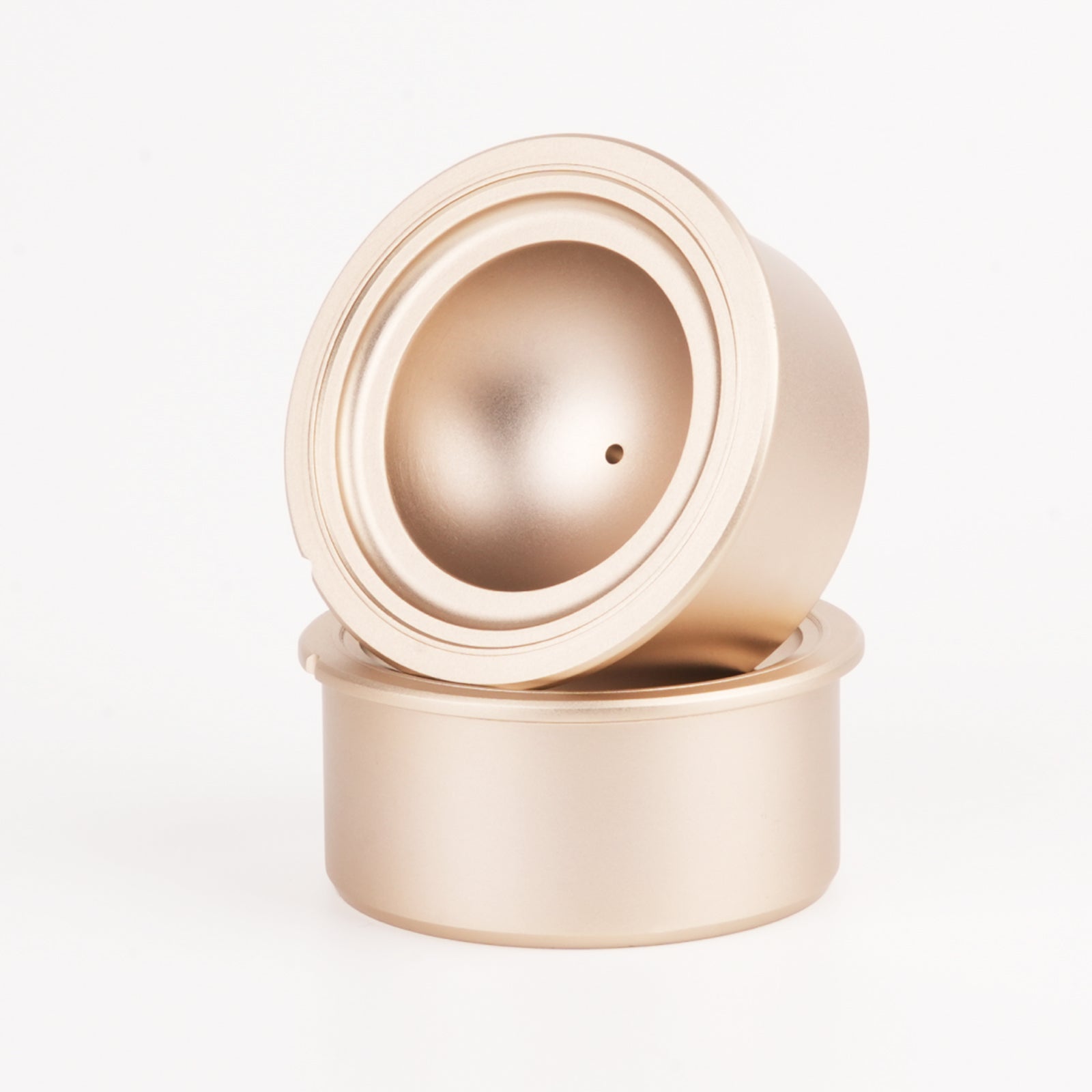
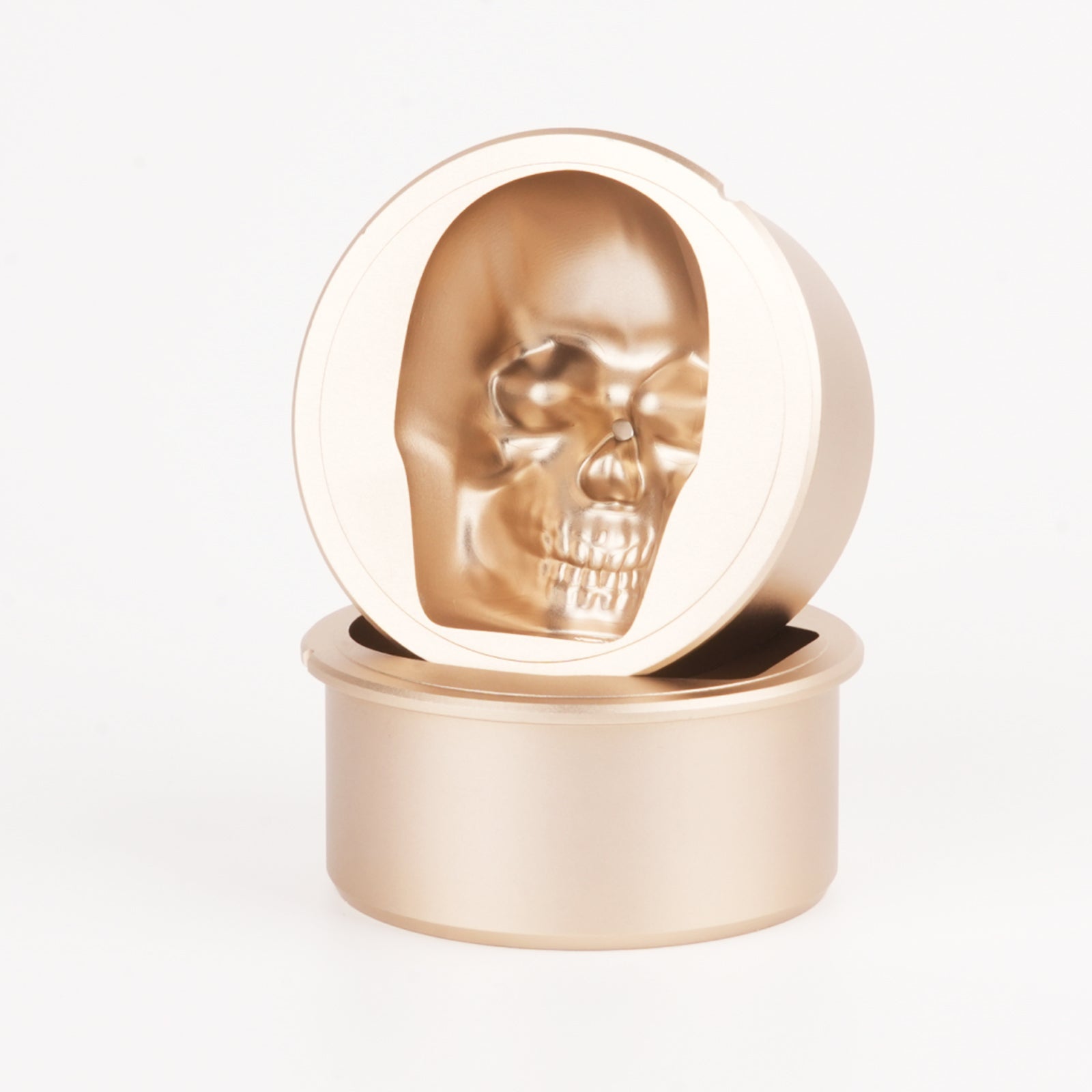
The GLAZER Press represents the pinnacle of ice shaping technology. While standard presses are passive metal blocks, the GLAZER utilizes a heated core (600W power) to accelerate the shaping process significantly. From our testing, this machine is capable of creating stunning ice shapes in just 2 minutes, solving the "throughput" issue that plagues traditional presses.
Why We Recommend It:
- Speed: It can produce multiple ice shapes in a row without needing to "warm up" between presses. This is critical for entertaining.
- Versatility: It uses magnetic inserts to switch between 5 unique shapes. You aren't limited to just spheres; you can create diamonds or other geometric forms to match the drink's aesthetic.
- Ease of Use: The operating temperature is calibrated to 100°F (37.8°C), which is hot enough to slice through ice but safe for operation.
Weight: ~4.4 pounds (2 kg)
Power: 600 W
For the enthusiast who wants bar-quality results without the wait, the GLAZER Press is the most advanced tool on the market.
2. Directional Freezing Molds (For Clarity)
While a press shapes the ice, it requires a clear block of ice to start with. If you want to make round ice cubes for whiskey that are perfectly transparent directly from the freezer, you must use the directional freezing method.
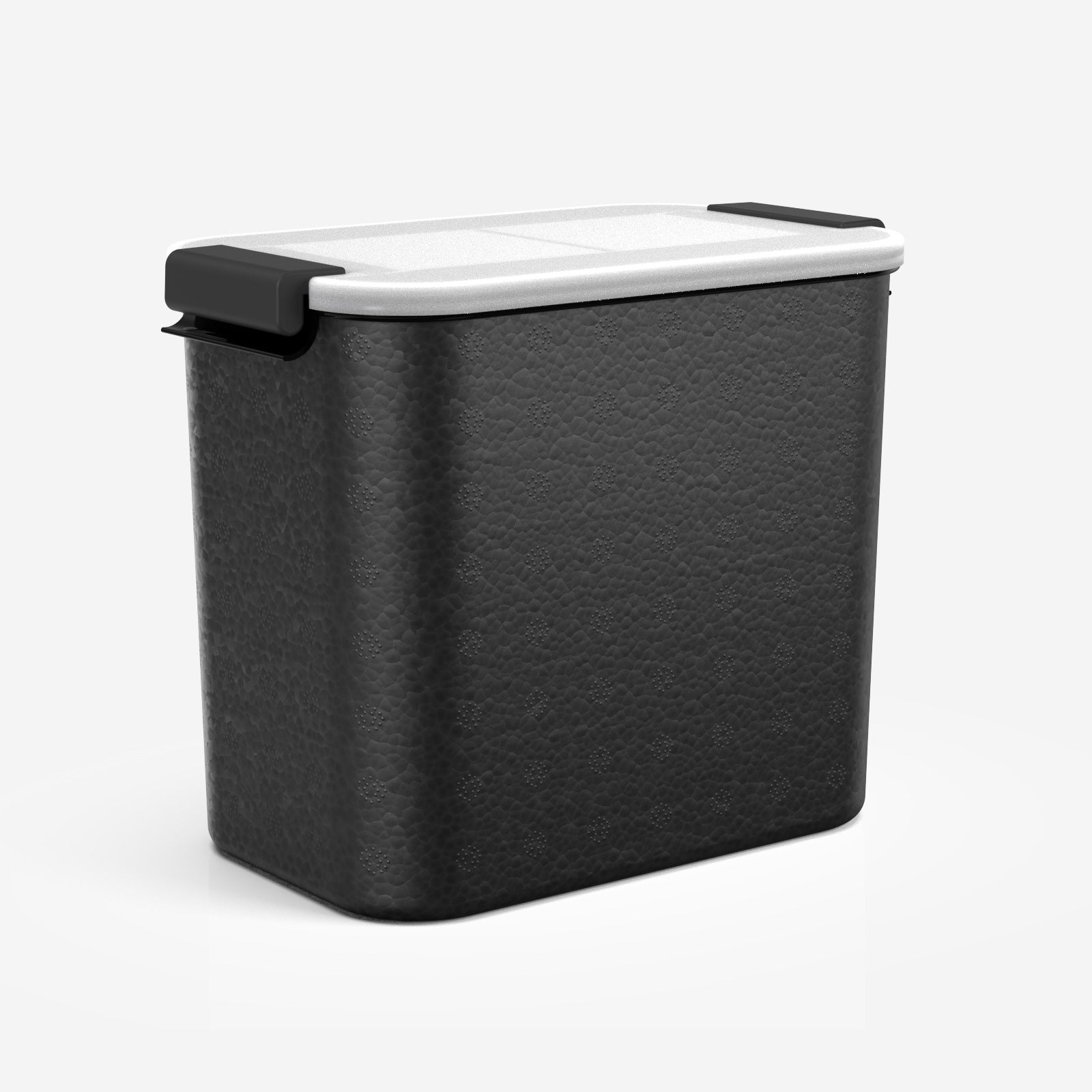
Water freezes from the outside in. In a standard tray, impurities and air bubbles are pushed to the center, creating a cloudy core. Directional freezing uses an insulated cooler (or a specialized mold) to force the water to freeze from the top down. The impurities are pushed to the bottom of the vessel, leaving the top section (where the sphere mold sits) crystal clear.
The Process:
- Purchase a directional freezing system (a mold inside an insulated tumbler).
- Fill with hot tap water (hot water has less dissolved gas).
- Place in the freezer for 24-30 hours.
- Remove before the bottom reservoir freezes completely.
From our experience, this method produces the highest clarity but requires significant freezer space and time.
3. Standard Silicone Molds (The Budget Option)
The most common entry point for beginners is the two-part silicone mold. These are affordable, easy to store, and widely available. However, they rarely produce a perfect sphere. Water expands when it freezes, often pushing the two halves of the mold apart, resulting in a "Saturn ring" of ice around the equator of the sphere.
To optimize this method, we recommend:
- Using boiled or distilled water to reduce cloudiness (though this won't eliminate it entirely).
- Placing a weight on top of the mold to prevent separation.
- Leaving a small air gap at the top to allow for expansion.
While cost-effective, the resulting ice usually melts faster than pressed ice due to the lower density and presence of air pockets.
4. The Balloon Method (The DIY Hack)
We include this method for completeness, though we generally do not recommend it for a premium experience. This involves filling a standard party balloon with water, tying it off, and freezing it. Once frozen, you cut the balloon away.
Pros: Virtually zero cost.
Cons: The shape is rarely a perfect sphere (often teardrop-shaped due to gravity). The texture of the ice can be rough, and there is a risk of the balloon rubber imparting a taste to the ice if low-quality latex is used. This is a "college hack," not a sommelier's technique.
5. Hand Carving (The Artisan Technique)
For the ultimate display of craftsmanship, Japanese bartenders popularized the art of hand-carving ice spheres. This requires a sharp ice pick, a knife, and a large block of clear ice. The bartender chips away the corners of a cube until it becomes a perfect sphere.
While visually spectacular, this is dangerous for the untrained and highly inefficient for serving multiple guests. It warms the ice significantly during the handling process, meaning the sphere goes into the glass already near its melting point. We recommend this only for the theater of it, rather than practicality. However, if you master this skill, you truly know how to make round ice cubes for whiskey in the most traditional sense.
The Science: Why Round Ice Matters
Why go through all this trouble? It comes down to thermodynamics. Heat transfer occurs at the surface of the ice. A cube has eight corners and twelve edges—areas where surface area is high relative to volume. These corners melt almost instantly upon contact with liquid.
A sphere has no corners and no edges. It presents the minimum possible surface area to the warm liquid. This allows it to chill the whiskey effectively while minimizing the amount of water released into the glass. For a high-proof spirit, a small amount of dilution is desirable to open up the esters (flavor compounds), but excessive water ruins the mouthfeel and finish. A dense, clear ice sphere provides the ultimate control over this dilution rate.
Summary Comparison Table
| Method | Clarity | Speed | Difficulty | Best For |
|---|---|---|---|---|
| GLAZER Ice Press | High (Dependent on source ice) | Fast (2 mins) | Very Low | Entertaining & Luxury |
| Directional Freezing | Crystal Clear | Slow (24+ hours) | Medium | Photography & Solo Sipping |
| Silicone Molds | Cloudy | Slow (12+ hours) | Low | Budget / Casual Use |
| Balloon Method | Cloudy | Slow (12+ hours) | Low | Novelty / DIY |
| Hand Carving | High | Medium (5-10 mins) | Very High | Bartender Showmanship |
Frequently Asked Questions
Does boiling water make clear ice?
Boiling water removes some dissolved gases (oxygen and nitrogen), which can slightly improve clarity. However, without directional freezing (insulation), the ice will still freeze from the outside in, trapping remaining impurities in the center. Boiling alone is rarely enough to create glass-like spheres.
What size ice sphere is best for whiskey?
We recommend a diameter between 2.5 inches (6.35 cm) and 3 inches. This fits standard double rocks glasses perfectly. Anything smaller melts too fast; anything larger may not fit the glassware. The GLAZER Press inserts are typically optimized for this size range.
Why does my ice crack when I pour whiskey on it?
Thermal shock. If the ice is taken directly from a deep freeze (-18°C) and hit with room temperature liquid, the rapid expansion of the outer layer causes it to fracture. We recommend letting the ice "temper" (sit at room temperature) for 2 minutes before pouring. The surface will become glossy/wet, indicating it is ready.
Is clear ice just for looks?
No. Clear ice is denser than cloudy ice because it lacks air bubbles. Denser ice has a higher thermal mass and melts slower. Furthermore, the air bubbles in cloudy ice can absorb freezer odors (like frozen fish or garlic), which will transfer to your expensive scotch.
References
- Camper English. (2023). The Ice Book: Cool Cubes, Clear Spheres, and Other Chill Cocktail Crafts. Red Lightning Books.
-
Liquid Intelligence: The Art and Science of the Perfect Cocktail. Dave Arnold. W. W. Norton & Company.