


The Expert Guide to Understanding the Average Life of an Ice Maker
At Orifuture, we are born from a simple yet profound belief: a great drink shouldn’t be confined to dimly lit bars or special occasions. Our story begins on a busy modern evening at a cocktail bar — that fleeting moment of escape, creativity, and quiet celebration. Inspired by the heart of cocktail culture, we set out to bring that very spark of joy and craftsmanship into every home. Central to that craftsmanship is the quality of your ice. Ice is the structural foundation of mixology. It controls dilution, dictates temperature, and elevates the aesthetic of the final pour.

However, bringing professional-grade ice into the home requires reliable equipment, leading many enthusiasts to ask a critical question regarding their home appliances: what is the average life of an ice maker? Understanding the lifespan, mechanics, and maintenance requirements of these machines is vital for anyone serious about their home bar. When an appliance fails, your ability to craft the perfect beverage is immediately compromised. In this comprehensive industry guide, we will analyze the average life of an ice maker across various configurations, explore the technical factors that dictate their longevity, and provide actionable maintenance protocols to ensure your equipment serves you for years to come.
Table of Contents
- Summary Table: Average Life of an Ice Maker by Category
- What Determines the Average Life of an Ice Maker?
- Technical Factors Influencing the Average Life of an Ice Maker
- From Our Experience: Elevating Ice Beyond the Machine
- Expert Maintenance Routines to Extend Appliance Lifespan
- Frequently Asked Questions (FAQs)
- Industry References
Summary Table: Average Life of an Ice Maker by Category
To provide an immediate benchmark, we have compiled a summary table detailing the average life of an ice maker based on its design, intended use environment, and the typical mechanical failure points. These figures represent industry averages under standard operating conditions.
| Ice Maker Type | Average Lifespan | Primary Function | Common Failure Point |
|---|---|---|---|
| Refrigerator Built-In | 3 to 5 Years | Convenience, standard crescent cubes | Water inlet valve failure, freezing lines |
| Countertop / Portable | 2 to 4 Years | Portability, bullet ice generation | Compressor fatigue, internal scale buildup |
| Residential Undercounter | 7 to 10 Years | High volume, clear ice production | Evaporator scaling, condenser fan failure |
| Commercial Grade | 10+ Years | Continuous heavy-duty production | Water pump degradation, sensor faults |
What Determines the Average Life of an Ice Maker?
The average life of an ice maker is not a static number; it is highly dependent on the engineering of the unit and the environment in which it operates. Ice production is a harsh thermodynamic process. It requires the rapid freezing of water through a refrigerant cycle, followed immediately by a brief heating cycle (the harvest phase) to release the ice. This continuous expansion and contraction places immense stress on internal components.
Refrigerator Built-In Ice Makers
For most households, the refrigerator door dispenser is the primary source of ice. The average life of an ice maker integrated into a refrigerator typically ranges from 3 to 5 years. These units are highly susceptible to ambient temperature fluctuations within the freezer compartment. From our experience, the most frequent point of failure is the water inlet valve, which can become clogged with sediment or freeze entirely if the freezer temperature drops too low. Furthermore, because these mechanisms are tightly packed into the door assembly, repairing them is often more costly than replacing the modular unit entirely.
Countertop and Portable Ice Makers
Countertop units have surged in popularity due to their affordability and portability. However, the average life of an ice maker in this category is generally shorter, resting between 2 and 4 years. These machines rely on compact compressors and lack the robust insulation found in permanent fixtures. Because they are often filled manually and run continuously until their small bins are full, the compressors experience significant fatigue. Additionally, the lack of an integrated water filter means they are highly vulnerable to hard water scaling.
Dedicated Undercounter Ice Makers
For the serious home mixologist, a dedicated undercounter machine is the gold standard. The average life of an ice maker in this premium category extends from 7 to 10 years. These units are engineered similarly to commercial machines, utilizing heavy-duty compressors, large evaporator plates, and active water filtration systems. They are designed to produce clear, dense ice by continuously running water over a freezing plate, which removes dissolved gases and impurities. While their lifespan is superior, they demand strict, scheduled maintenance to protect the evaporator from mineral calcification.
Technical Factors Influencing the Average Life of an Ice Maker
Regardless of the model you select, several external variables will heavily dictate the average life of an ice maker in your home. Understanding these factors allows you to proactively protect your investment.
- Water Hardness and Mineral Scaling: This is the primary adversary of any water-based appliance. Hard water contains high levels of calcium and magnesium. During the freezing process, pure water freezes first, leaving these minerals behind to form a hard scale on the evaporator plates and water pumps. If left unchecked, this scale acts as an insulator, forcing the compressor to run longer and hotter, ultimately reducing the average life of an ice maker by years.
- Ambient Air Temperature and Ventilation: Ice machines extract heat from water to freeze it, and that heat must be exhausted into the surrounding room. If an undercounter unit is installed without proper ventilation, or if a countertop unit is pushed tightly against a wall, the condenser cannot dissipate heat. This leads to compressor overheating and premature failure.
- Water Filtration: Utilizing an inline water filter does more than improve the taste of your ice; it physically removes abrasive sediments that can destroy the delicate impellers inside the water pump. We recommend changing your water filters every six months without exception.
From Our Experience: Elevating Ice Beyond the Machine
While maximizing the average life of an ice maker guarantees a steady supply of ice, we believe that true mixology requires moving beyond the standard machine output. After all, the art of mixology isn’t just about spirits and recipes — it’s about moments shared, laughter echoed, and memories shaped around a single glass.
Standard ice makers, even high-end ones, typically produce cubes that are adequate for cooling, but suboptimal for premium spirits. Sharp edges and trapped air bubbles lead to rapid, uncontrollable dilution that bruises the flavor profile of a carefully crafted cocktail. This is where Orifuture bridges the gap between home convenience and professional presentation.

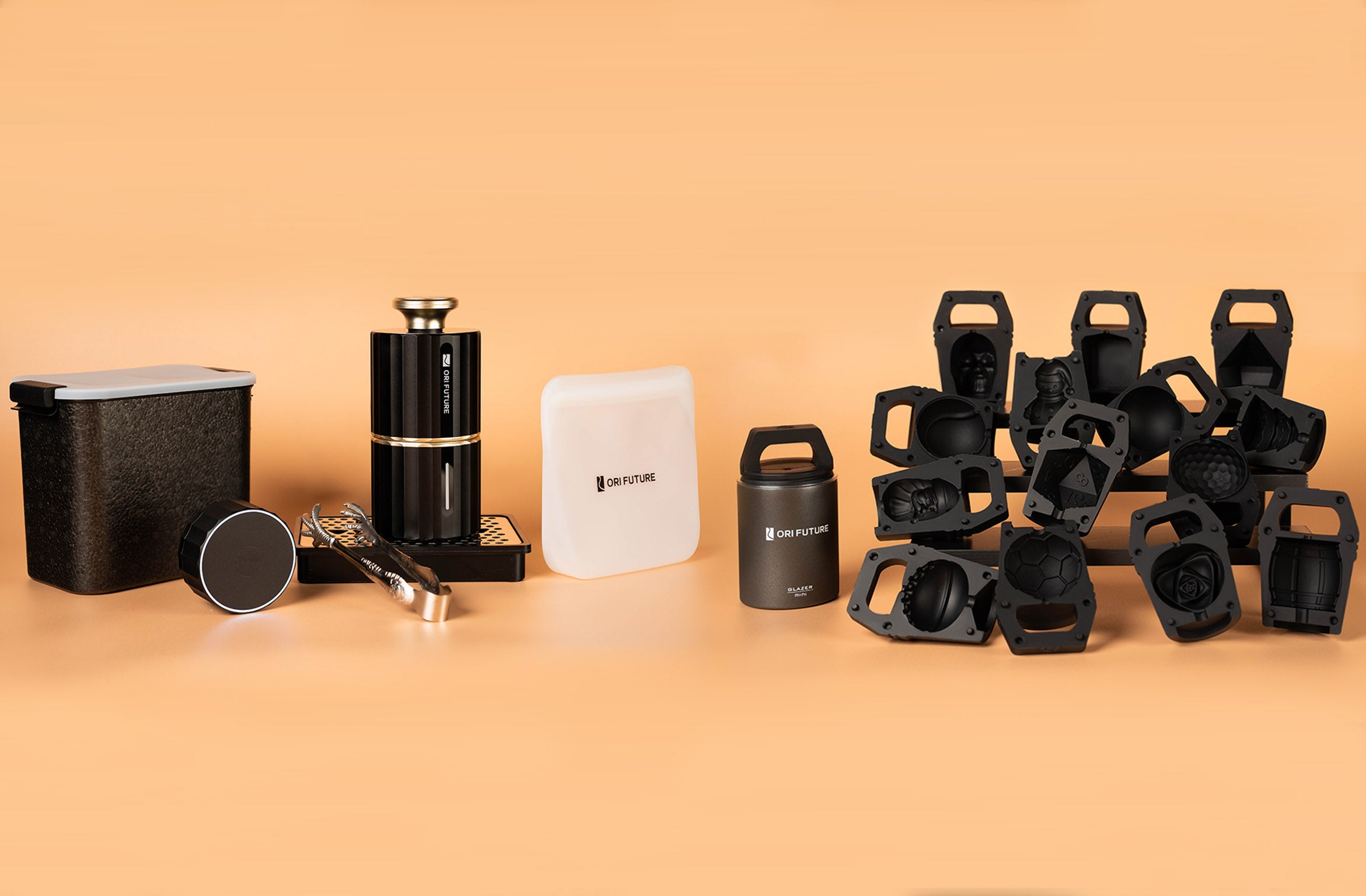
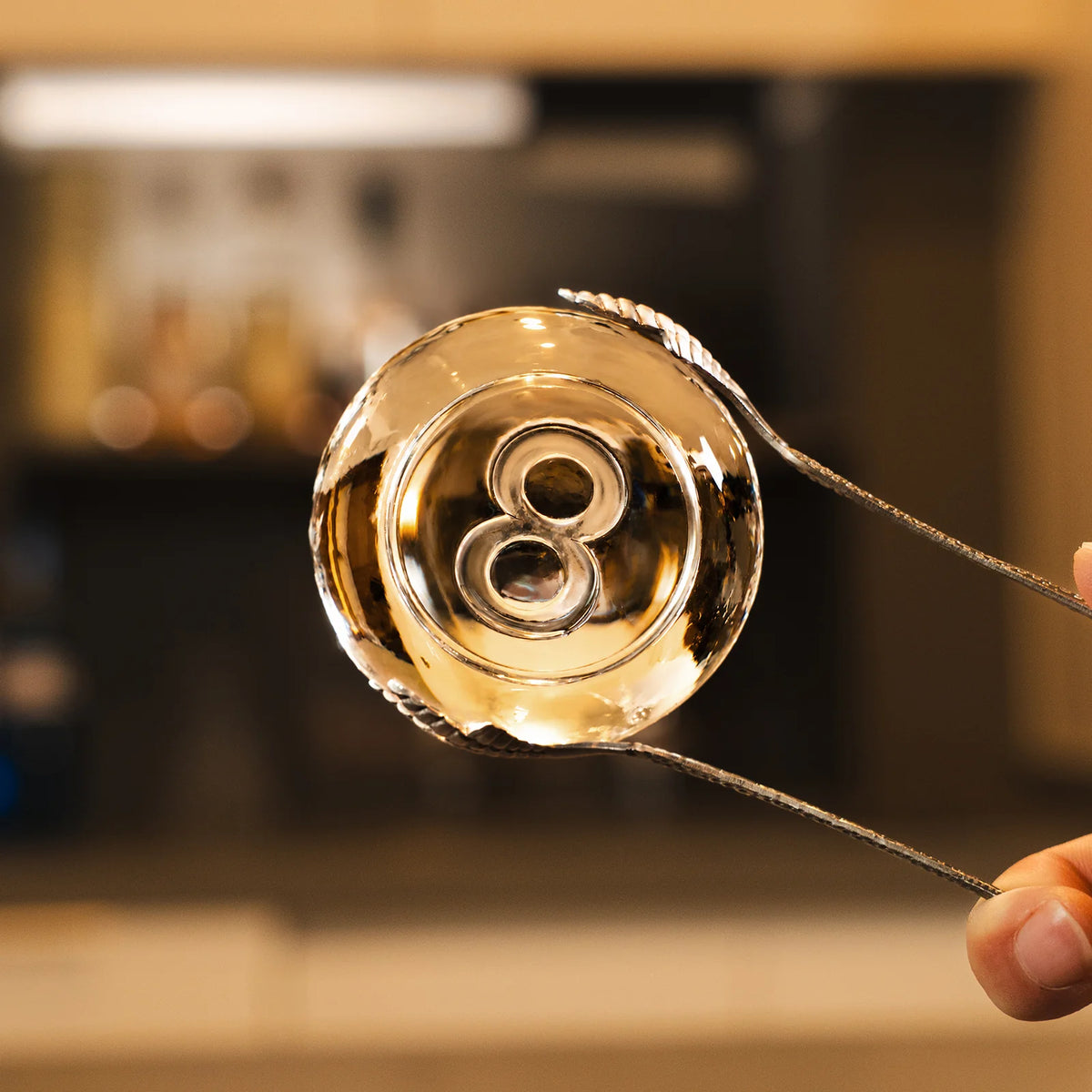
We recommend starting with high-quality, clear ice blocks and refining them using our precision-engineered tools. The GLAZER ICE Press and the compact GLAZER mini ICE Press utilize the natural thermal conductivity of aerospace-grade aluminum to flawlessly transform raw ice blocks into perfect, slow-melting spheres. A perfect sphere presents the lowest possible surface-area-to-volume ratio, ensuring your beverage is perfectly chilled without becoming watery. It brings that spark of joy and craftsmanship directly to your countertop.
To further complete the sensory experience, our Halo Smoker allows you to infuse your chilled cocktails with rich, aromatic wood smoke, creating a multi-dimensional flavor profile that was previously confined to the world's best bars.
Expert Maintenance Routines to Extend Appliance Lifespan
To ensure you reach the maximum average life of an ice maker, you must adopt a preventative maintenance schedule. Neglect is the fastest route to mechanical failure.
- Perform a Deep Descaling (Every 3 to 6 Months): You must circulate a specialized, nickel-safe ice machine cleaner through the system. This mild acid dissolves the calcium buildup on the evaporator plates without damaging the metal plating. Never use bleach or harsh household chemicals, as they will strip the protective coating and cause irreversible pitting.
- Clean the Condenser Coils (Every 6 Months): Use a vacuum with a brush attachment to remove dust and pet hair from the condenser coils. Blocked coils restrict airflow, placing fatal stress on the compressor system.
- Sanitize the Ice Bin (Monthly): Mold and mildew thrive in cold, damp environments. Empty the ice bin completely and wipe it down with a food-safe sanitizer to ensure your ice remains hygienic and flavor-neutral.
Frequently Asked Questions (FAQs)
Expert Insight: When investing in your home bar, view your ice maker as the engine and your Orifuture accessories as the precision tuning. By understanding the average life of an ice maker and maintaining it properly, you ensure that the canvas for your cocktails is always ready, allowing you to focus on the art of mixology itself.
Industry References
To ensure our clients have access to authoritative information regarding appliance efficiency, water quality, and maintenance standards, we recommend reviewing the following resources:
