

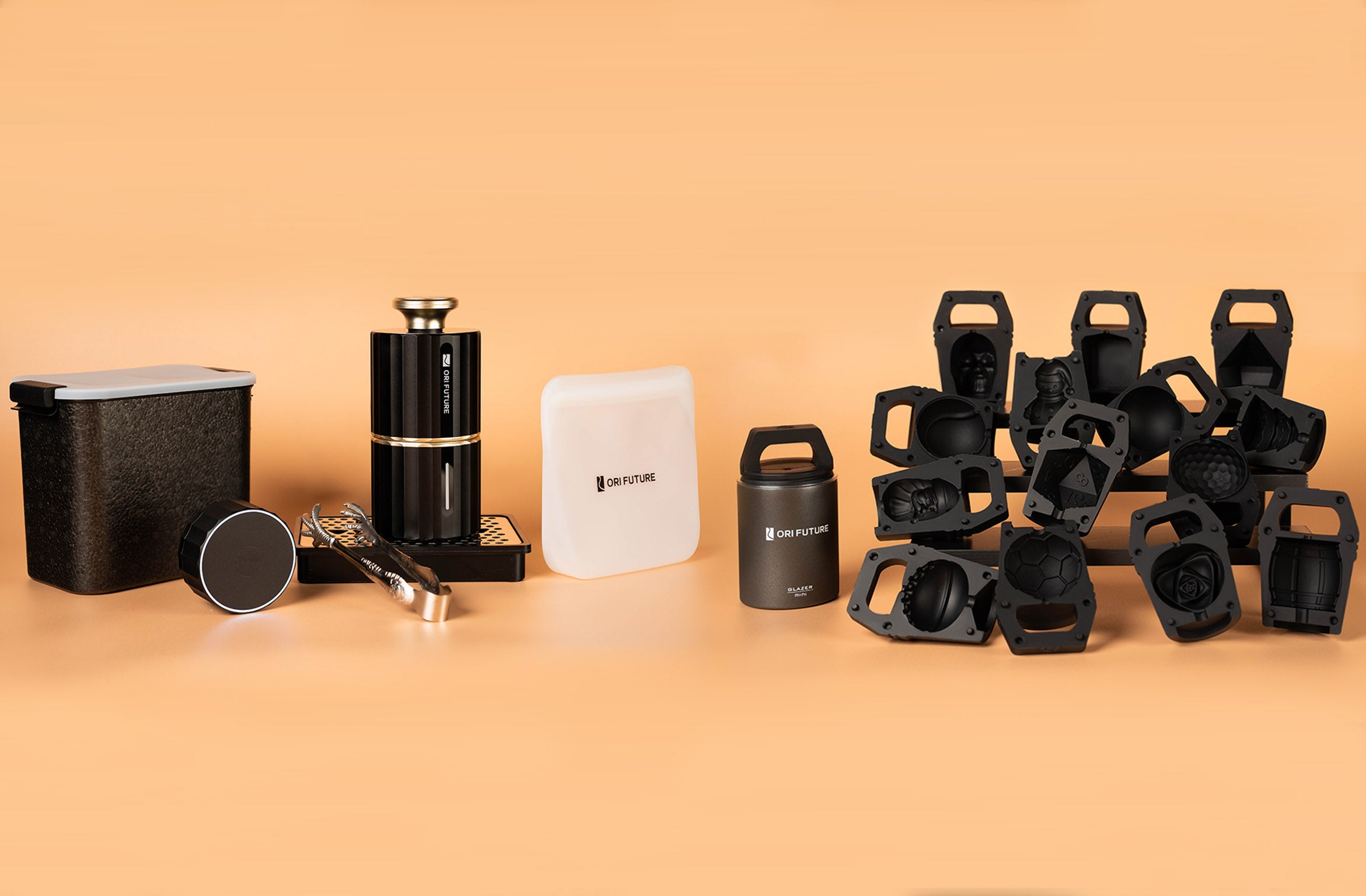
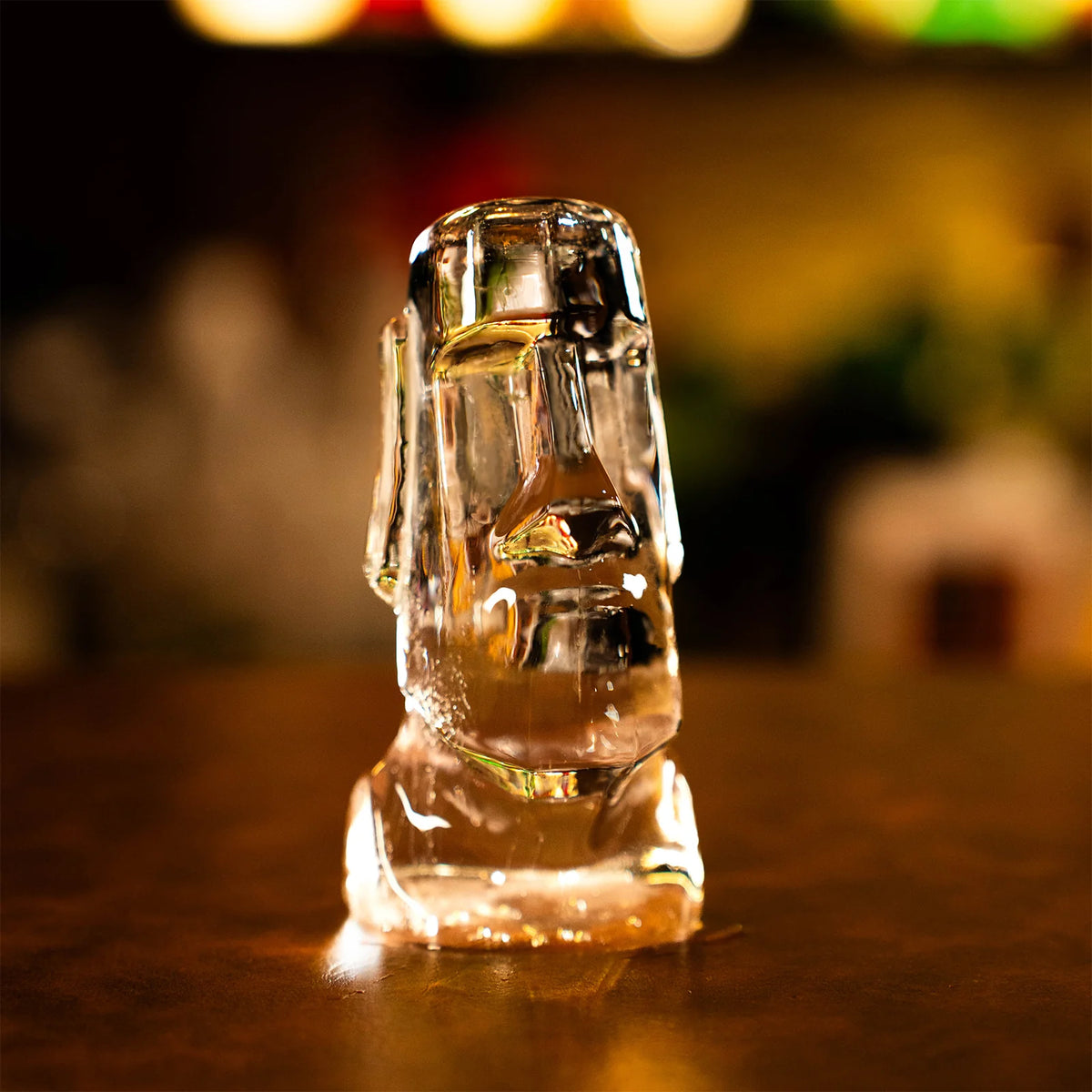

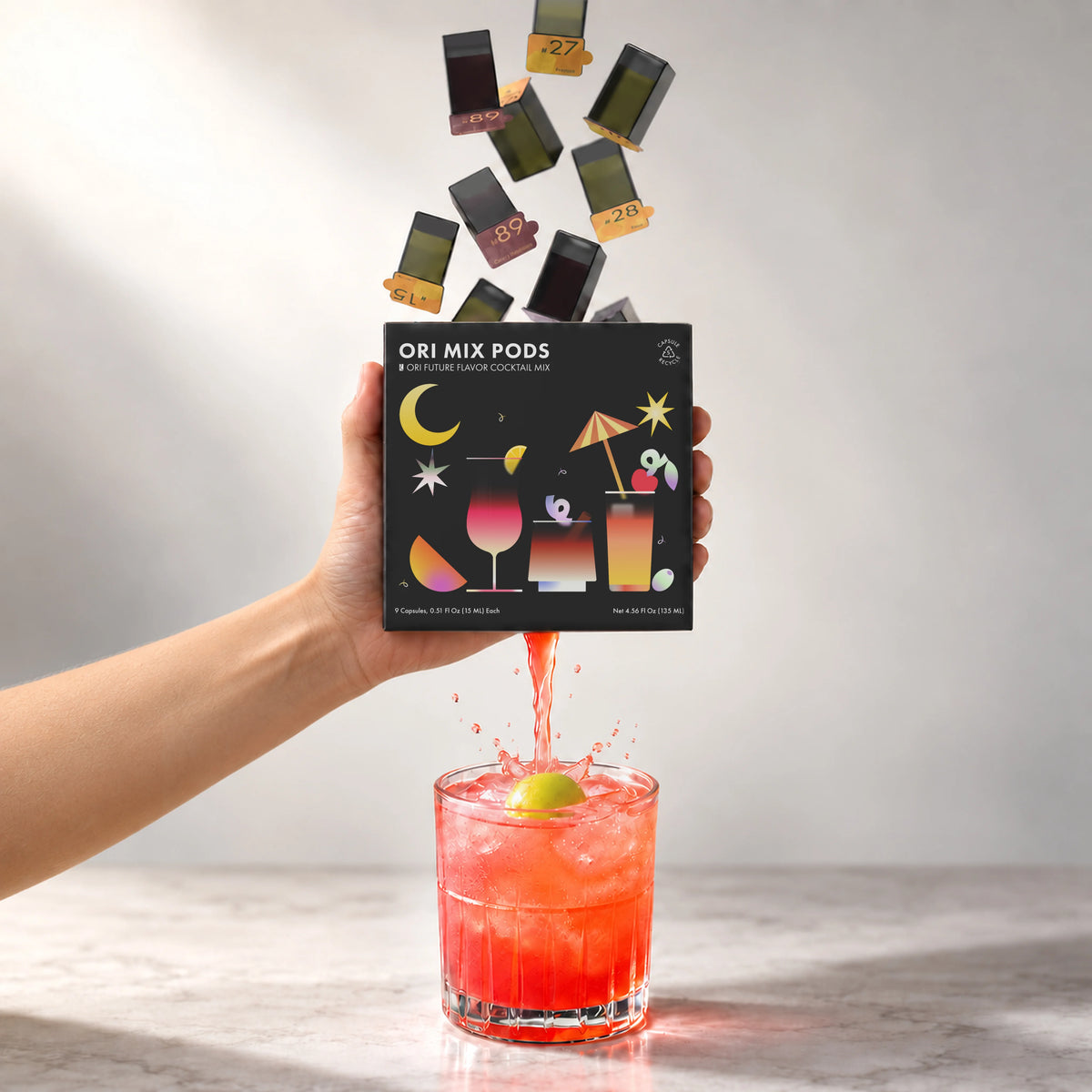

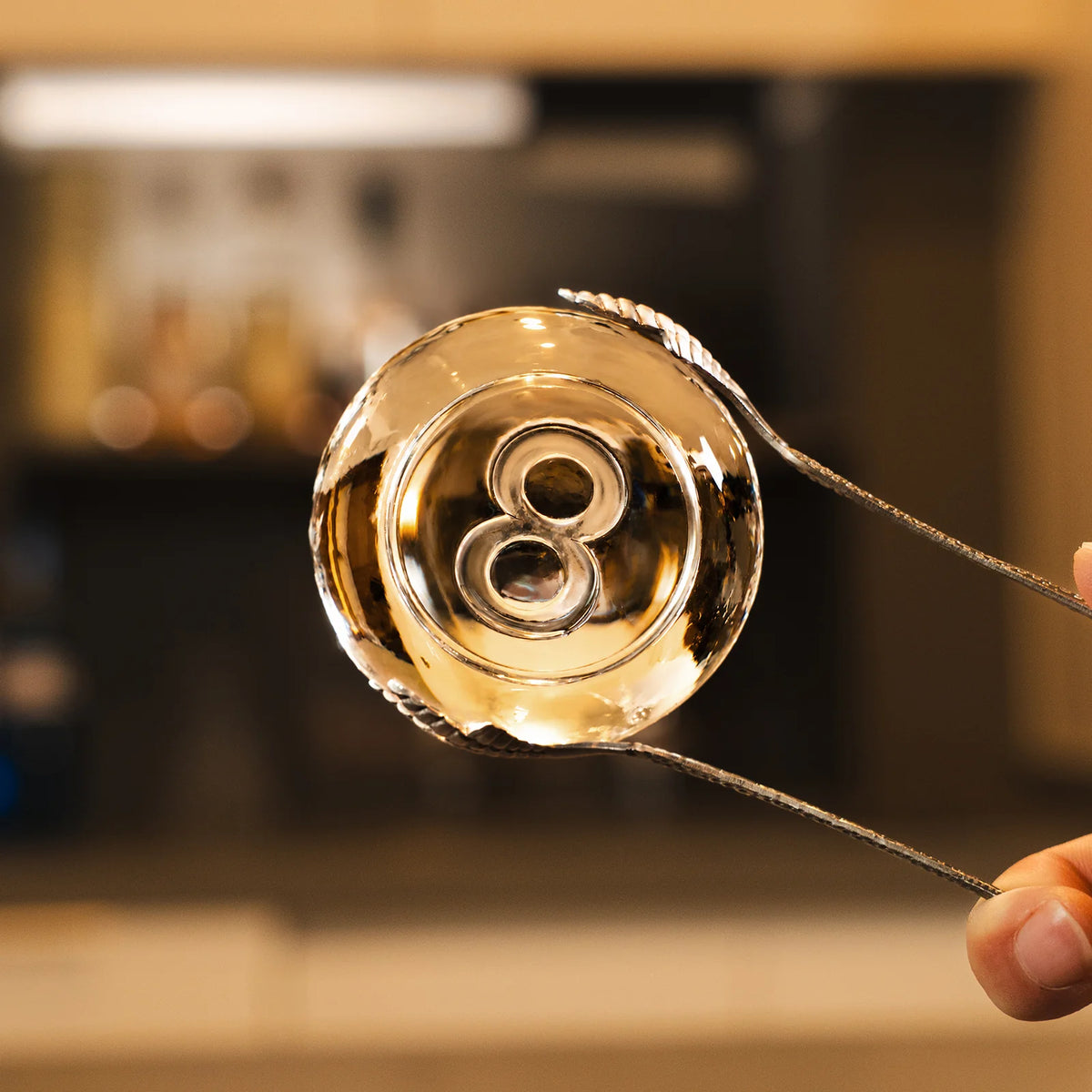
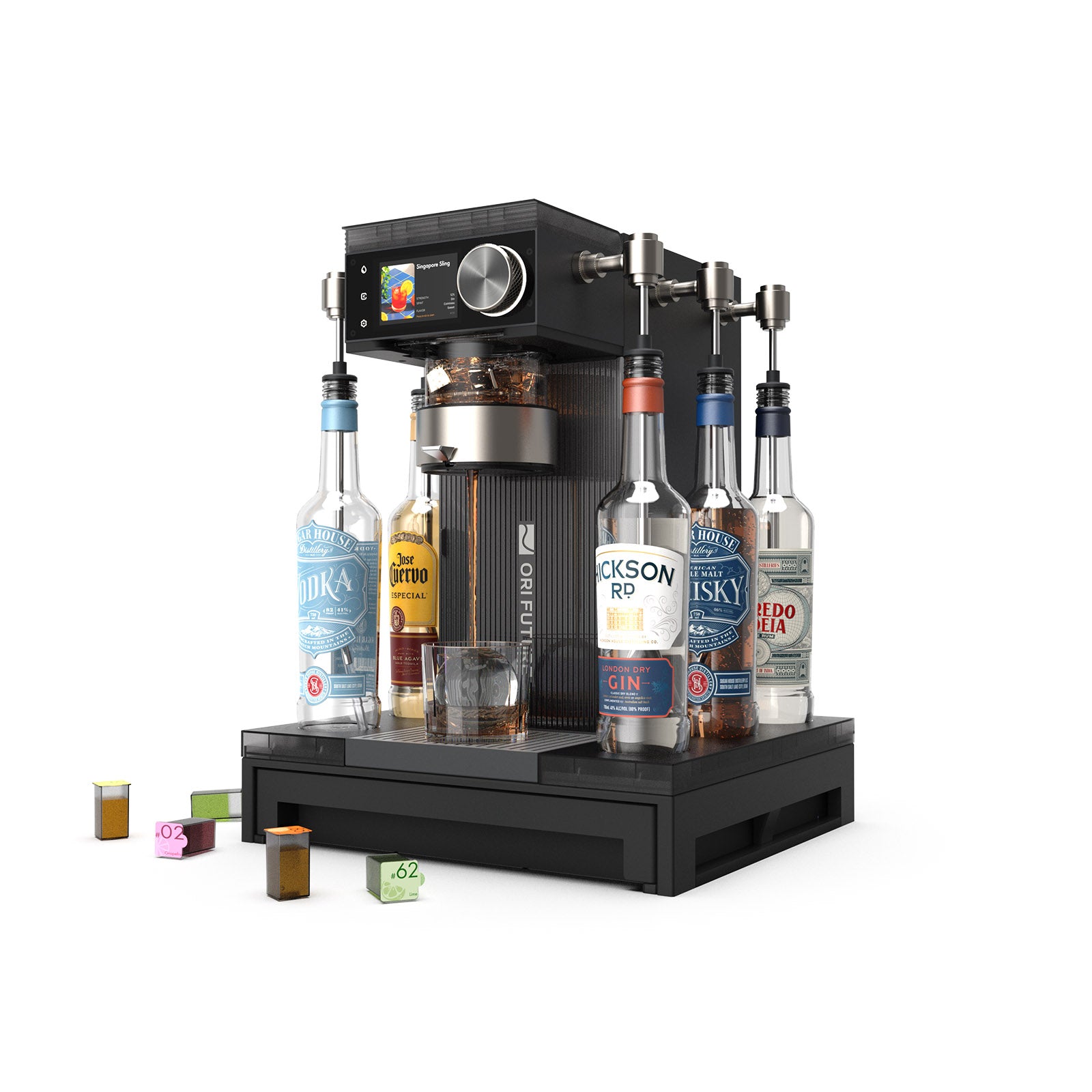
A press type ice cube maker is not a machine that freezes water into ice from scratch. It is a device that uses controlled heat and pressure to reshape already frozen ice into a more refined form, usually a clean sphere or cube for premium drinks. That difference matters. From our experience, buyers who understand the difference between making ice and pressing ice make better decisions, spend more wisely, and end up with a much more useful machine.

Quick Answer
Press type ice cube maker is best for people who care about presentation, dilution control, and repeatable cocktail quality. It works by warming the surface of a frozen insert just enough to let the ice be shaped into a polished form. It is ideal for home bars, cocktail service, whiskey tasting, and premium hospitality. It is not the right buy for someone who only needs ordinary cubes for daily water use.
Our recommendation: choose a press type ice cube maker only when the visual and performance upgrade is worth the extra cost and counter space. For beginners, a simple mold may be enough. For commercial users, a press type model makes sense when drink presentation drives the customer experience.
Table of Contents
Direct Answer
A press type ice cube maker is a premium ice-shaping tool. It takes a frozen ice block and presses it into a finished shape using heat-assisted compression. The value is not in making more ice faster; the value is in making better-looking, better-performing ice for cocktails, whiskey, and hospitality service.
In most professional situations, that means one thing: it is a presentation machine first and a utility machine second. If your drinks are part of the customer experience, the upgrade can be absolutely worth it. If your only goal is to keep a freezer full of cubes, it is unnecessary.
For buyers comparing ice quality approaches, our top clear ice maker reviews are a useful starting point, especially if you are deciding whether to move beyond standard freezer ice.
What It Is and How It Works

A press type ice cube maker uses a heated press head and a shaped insert to transform frozen ice into a polished final form. The press softens the surface of the ice just enough to reduce friction while the internal cold keeps the mass solid. That is why the finished piece looks clean and uniform instead of cloudy and rough.
The process is straightforward, but the result depends heavily on the starting ice. Good clear ice gives better results than cloudy ice because trapped air and impurities create weak points, rough edges, and poor visual clarity. That is why many serious users pair a press machine with directional freezing or a clear ice system.
If you are trying to produce ice from water rather than reshape it, directional freezing is the better method. Our DIY clear ice directional freezing guide explains why professionals often prefer controlled freezing when clarity matters most. For spherical service pieces, our easy steps to perfect ice balls guide shows the practical route from frozen block to polished presentation.
What the press is really doing
- Using heat to soften the outer layer of the ice
- Applying controlled pressure to reshape the block
- Creating a more refined surface finish
- Reducing the visual roughness of handmade ice
- Improving consistency for cocktails and whiskey service
Quick Summary Table
| Decision Factor | What You Should Know | Practical Verdict |
|---|---|---|
| Primary purpose | Reshapes frozen ice into premium cubes or spheres | Excellent for presentation |
| Best users | Home bartenders, whiskey drinkers, bars, restaurants | Worth it when serving matters |
| Not ideal for | Daily bulk ice production and casual kitchen use | Too specialized for basic needs |
| Buying priority | Press quality, heat control, compatibility, durability | Do not buy on appearance alone |
| Value test | Will the ice improve drink quality or customer perception? | If yes, it earns its space |
Benefits That Actually Matter
The first benefit is obvious: the drinks look better. A polished cube or sphere signals care, and that matters in a home bar, a tasting room, or a cocktail program. But the better reason to buy a press type ice cube maker is performance. Dense, well-shaped ice melts more slowly, which helps preserve flavor and reduces rapid dilution.
That is especially useful for whiskey. If you are pouring neat spirit over ice, the wrong cube can flatten the pour too quickly. A properly finished press piece gives the drink more time to open up gradually. For readers comparing serve styles, our types of whiskey explained guide and top whiskey brands in the world article are useful companions when deciding what kind of ice fits the bottle.
For commercial users, the benefit is consistency. Guests notice when every drink on the table arrives with the same visual standard. That consistency is hard to fake with loose molds and inconsistent freezer habits. In our testing, the brands that succeed here do not simply make ice; they make the service feel deliberate.
Another practical advantage is speed compared with traditional shaping. Once you already have the frozen insert, pressing is fast. That matters when you want a finished drink presentation without waiting through a full directional-freezing cycle every time.
Limitations You Should Not Ignore
The biggest limitation is simple: a press type ice cube maker is only as good as the frozen block you put into it. If your starting ice is cloudy, cracked, or inconsistently sized, the result will never look truly premium. The press can improve shape, but it cannot fully redeem bad input.
The second limitation is that this is a specialty device. It takes counter space, costs more than a mold, and only makes sense when presentation has real value. For beginners, that can be overkill. A basic clear ice tray or mold may be enough until you know how often you actually use premium ice.
The third limitation is maintenance. Heat-assisted equipment needs regular cleaning and common-sense handling. Ice is treated as a food under FDA guidance, and packaged ice has labeling requirements because it is a food product; commercial ice-making equipment is also expected to meet sanitation requirements such as NSF/ANSI 12 when it is used for human consumption.
That is why we recommend treating the machine like food equipment, not like a novelty gadget. If you are considering long daily use, our can you leave ice maker on all day guide helps frame the right habits for safe, efficient operation.
Comparison Table
| Method | What It Does | Best For | Verdict |
|---|---|---|---|
| Press type ice cube maker | Reshapes frozen ice using heat and pressure | Premium drinks, bars, whiskey service | Best when presentation matters |
| Directional freezing | Freezes water in a controlled direction to reduce cloudiness | Clear ice production from scratch | Best starting point for serious clarity |
| Basic silicone mold | Forms ordinary cubes or spheres in a freezer | Casual home use | Good enough for everyday needs |
| Automatic commercial ice maker | Makes large volumes of ice continuously | High-volume food service | Different category; not a replacement for a press |
For buyers who want the best finish possible, a good workflow is often directional freezing first, then pressing second. That is the practical route. If you want to understand the deeper method, our advanced clear ice guide goes further into how experienced users build a premium ice routine.
Pros vs Cons Table
| Pros | Cons |
|---|---|
| Creates a polished, professional-looking result | Needs a frozen insert before it can do its job |
| Improves drink presentation instantly | Costs more than standard molds |
| Helps slow dilution in premium drinks | Not necessary for casual everyday ice use |
| Useful for home bars and commercial service | Works best when ice quality is already good |
| Compact models can fit on a countertop | Still a niche appliance with a learning curve |
Who Should Use It, and Who Does Not Need It
Best fit
- Whiskey drinkers who want controlled dilution and better presentation
- Home bartenders who host often and want a premium look
- Restaurants and cocktail bars that sell visual polish as part of the experience
- Gift buyers looking for a high-impact bar tool
Who does not need it
- People who only need ice for water, soft drinks, or casual use
- Buyers with no interest in clear ice or drink presentation
- Anyone who wants the cheapest possible ice solution
- Small kitchens that cannot spare counter space
For beginners, we recommend starting with a mold if the goal is simply to test whether premium ice improves your routine. For commercial users, the case gets stronger because guest perception is part of the product. A press type ice cube maker can pay for itself in service quality before it pays for itself in volume.
If your main priority is gifting rather than building a bar system, our ice mold buying guide for gifts may be a better fit for lighter-use buyers.
Buying Considerations
Do not compare a press type ice cube maker to an ordinary ice tray and call it a fair match. It is a different purchase category. The right question is whether you need better-looking, slower-melting ice often enough to justify the extra hardware.
| Buying Factor | What to Check | Why It Matters |
|---|---|---|
| Heat control | Stable press temperature and predictable shaping | Better surface finish and less damage to the ice |
| Insert size | Whether the machine matches your preferred cube or sphere format | Determines the final drink presentation |
| Power and compatibility | Voltage support and counter power availability | Critical for home buyers and export markets |
| Duty cycle | How often you intend to use it during a day | Important for commercial users and busy households |
| Storage footprint | Counter space and weight | Very important in compact kitchens or bars |
| Service workflow | How fast the frozen insert can be swapped and pressed | Directly affects real-world convenience |
GLAZER Press is a good example of how this category should be judged. The unit is compact at 6 × 6 × 11 inches, weighs about 4.4 pounds, and is designed around a 600W heating pulse system. Its insert size is 3.2 × 3.2 × 1.6 inches, which tells you immediately that it is built for focused premium serving rather than bulk production. That is the right design direction for a press type ice cube maker: small, deliberate, and centered on quality rather than volume.
We also recommend comparing the machine’s power requirements to your outlet setup before you buy. A premium ice tool should make service easier, not create electrical headaches.
What Professionals Look at Before Buying

Commercial buyers usually care about three things: sanitation, efficiency, and consistency. NSF notes that NSF/ANSI 12 establishes minimum food protection and sanitation requirements for automatic ice making equipment used in the manufacture, processing, storing, dispensing, packaging, and transportation of ice intended for human consumption. ENERGY STAR also reports that certified batch-type commercial ice makers are about 10% more energy efficient and 20% more water efficient than standard models, while continuous-type models are about 16% more energy efficient.
That does not mean every press type ice cube maker needs to be treated like a full production appliance. It does mean serious buyers should think like operators, not like hobbyists. The best machine is the one that fits the volume, cleanliness, and workflow of the space where it will actually be used.
Common Mistakes Buyers Make
- Buying a press machine before solving the quality of the base ice
- Assuming the press can replace a full clear-ice workflow
- Choosing a model that does not match the room’s voltage or outlet capacity
- Ignoring how often the machine will actually be used
- Overpaying for a feature set that looks premium but adds no real value
A frequent mistake is treating the press as a standalone miracle. It is not. If you want truly clean results, the better approach is to build a process. Start with good water and a clear-ice method, then use a press to finish the shape. That is how experienced users avoid disappointment.
When It Is Worth Upgrading
Upgrade to a press type ice cube maker when one of two things is true: your drinks are part of your brand, or your home bar is busy enough that visual consistency matters. That is the threshold. Anything below that, and a basic mold or directional-freezing setup is usually the smarter spend.
If you are already working with premium spirits, the gain is real. A clean cube or sphere does not just look better. It also signals that the drink was considered, not improvised. That is the sort of detail guests remember. For readers exploring drink pairing more broadly, our top whiskey brands in the world guide and types of whiskey explained article can help you match ice style to spirit style more intelligently.
Expert Recommendation
From our experience, the best press type ice cube maker is the one that disappears into the workflow. It should feel quick, predictable, and easy to trust. If you have to fight with it, clean around it constantly, or justify it every time you use it, the machine is probably too specialized for your needs.
We recommend the press category for buyers who already know they care about premium ice. For beginners, the most sensible path is to test clear ice first, then upgrade to a press if the presentation gain is obvious. For commercial users, the press can be a smart add-on because it gives drinks a consistent, upscale finish without the complexity of a large ice-production system.
If you only need ice for everyday use, skip the press. If you want your drinks to look and perform better immediately, a press type ice cube maker earns its place very quickly.
Bottom Line
A press type ice cube maker is worth buying when the finished ice matters as much as the drink itself. It is a specialty tool, not a basic kitchen appliance. That is exactly why it works. It solves a specific problem: turning ordinary frozen ice into polished service pieces that improve appearance, slow dilution, and raise the perceived value of the drink.
For home bars, it is a strong upgrade if you entertain often. For commercial users, it is a practical way to improve presentation without rebuilding the whole ice program. For casual users, it is overkill. That is the real answer, and it is the one we recommend using before you spend money.
FAQs
```What is a press type ice cube maker?
It is a machine that uses controlled heat and pressure to reshape frozen ice into a polished cube or sphere for premium drink service.
Is a press type ice cube maker the same as a regular ice maker?
No. A regular ice maker freezes water into ice. A press type ice cube maker reshapes existing frozen ice into a better final form.
Who should buy one?
Home bartenders, whiskey drinkers, cocktail bars, restaurants, and anyone who values drink presentation and controlled dilution.
Who does not need a press type ice cube maker?
Anyone who only needs ordinary cubes for water, soft drinks, or casual kitchen use usually does not need one.
Is it worth the money?
It is worth the money when presentation, consistency, and slower melting actually improve the drink experience. If those benefits do not matter, the upgrade is unnecessary.
Do I still need clear ice before pressing?
Yes, if you want the cleanest result. The press improves shape, but the quality of the starting ice still determines the final clarity and finish.
