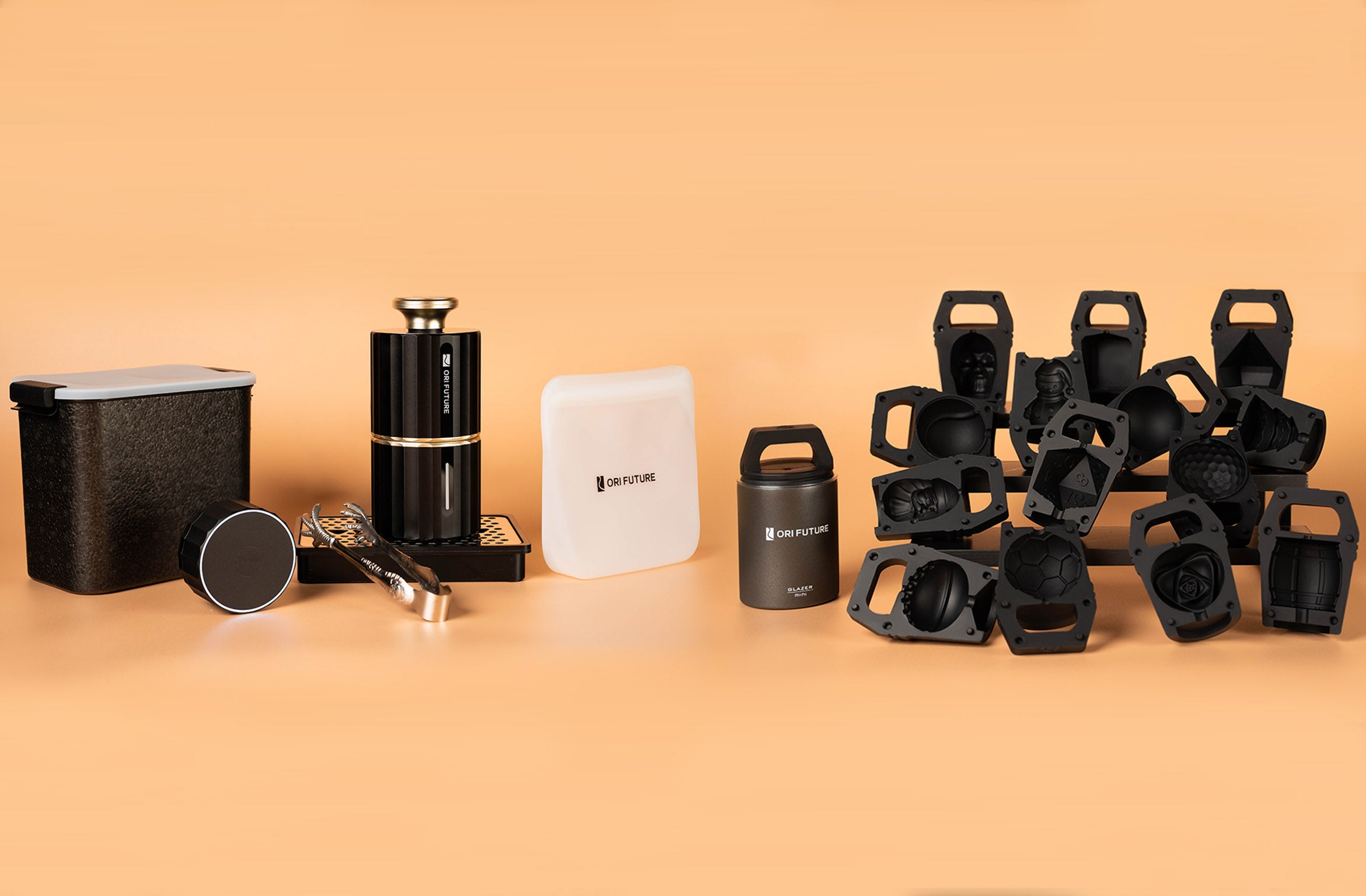

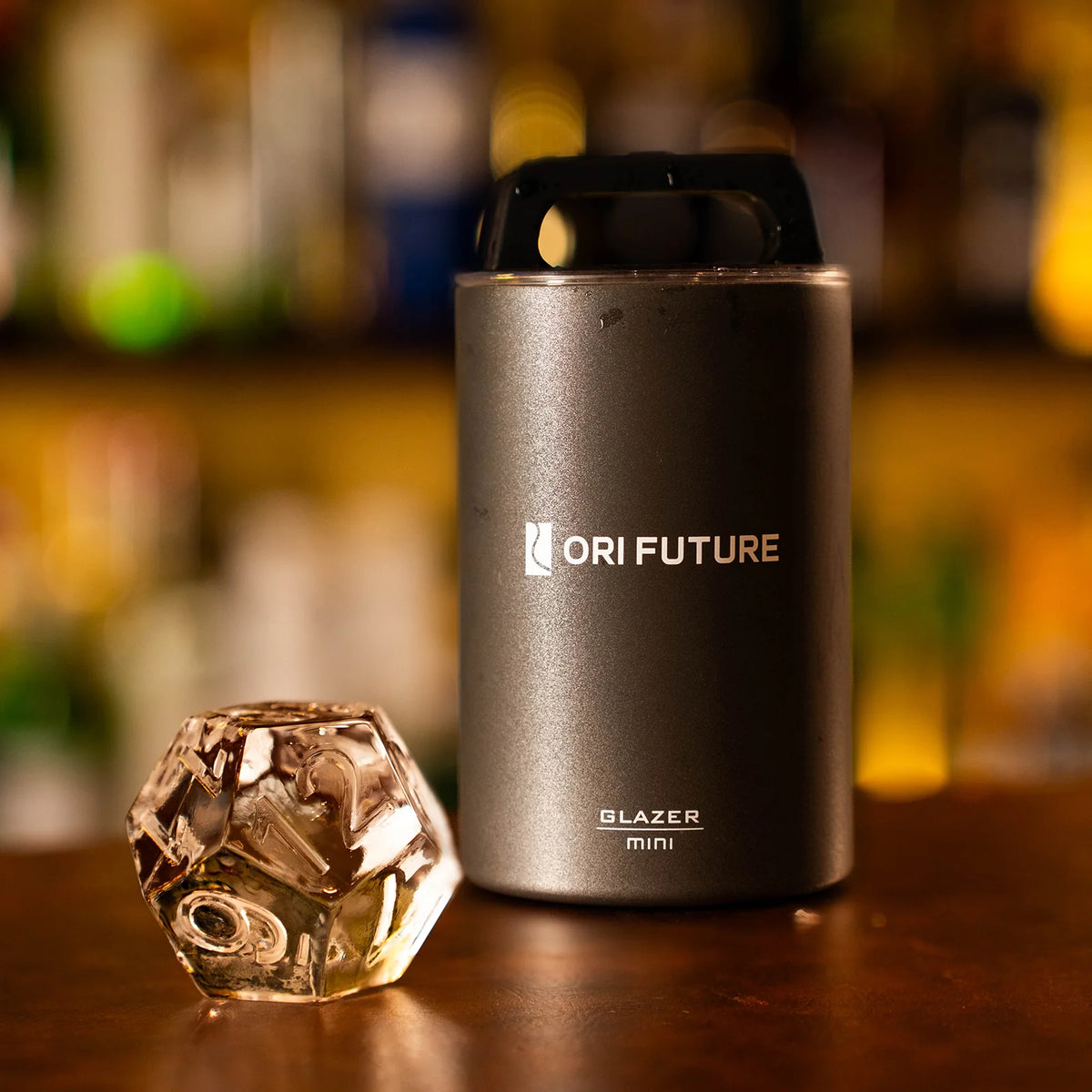


Arrived ahead of schedule. Washed it, filled it and waiting on results. The mold feels durable as does the metal cup. The plastic cups are plastic cups and they will wear out with use but they sell more at a reasonable price.
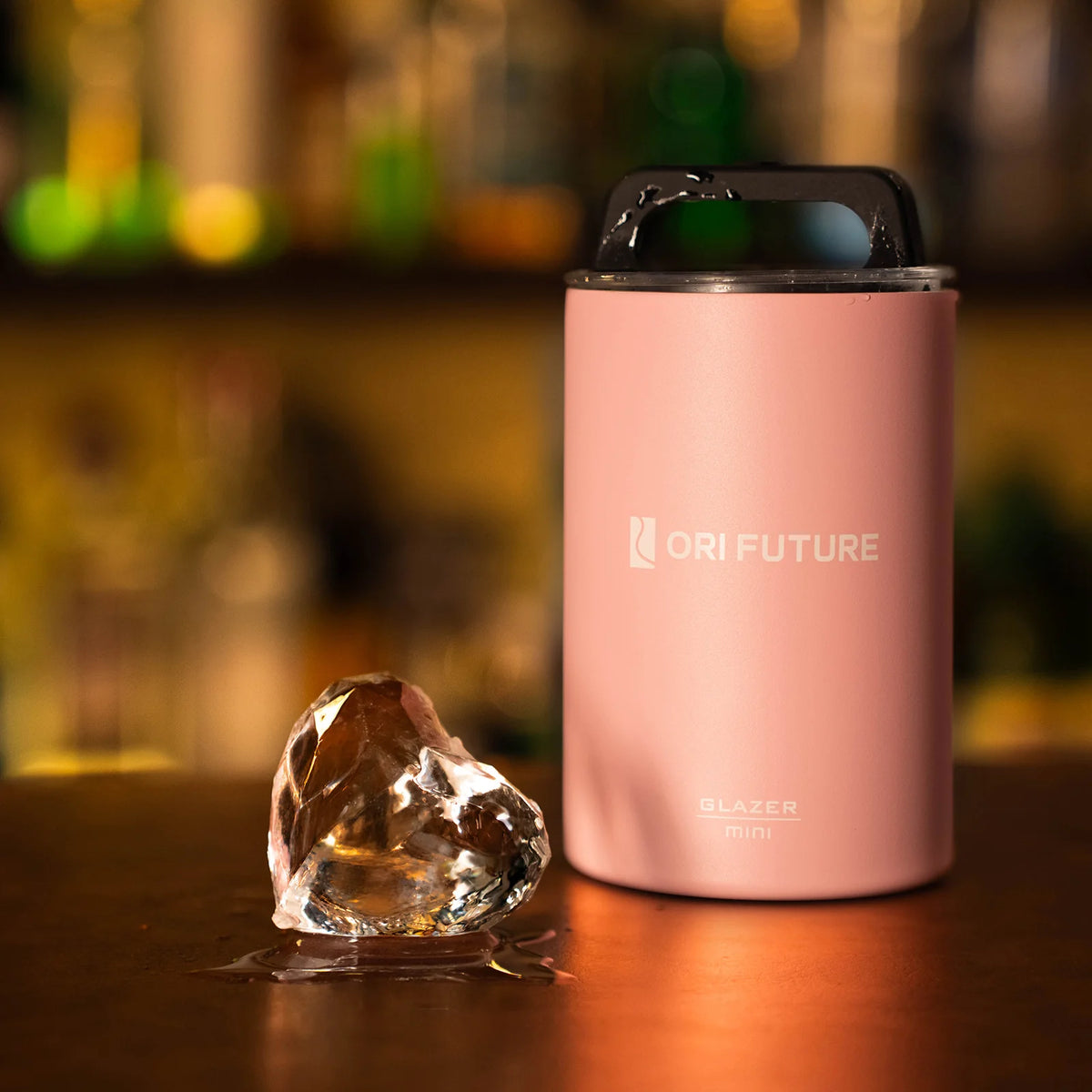
My partner rolls eyes at kitchen gadgets but even they admitted GLAZER mini - Rose Series looks nicer in drinks. That says something.
I am really enjoying these ice molds. They are simple to use and the ice cube comes out perfectly. Great design.
So much more smoke than a cheap hand lit version I got elsewhere. Very slick. Highly recommend.
We love how easy it is to make clear ice. Such beautiful cocktails. Thank you.
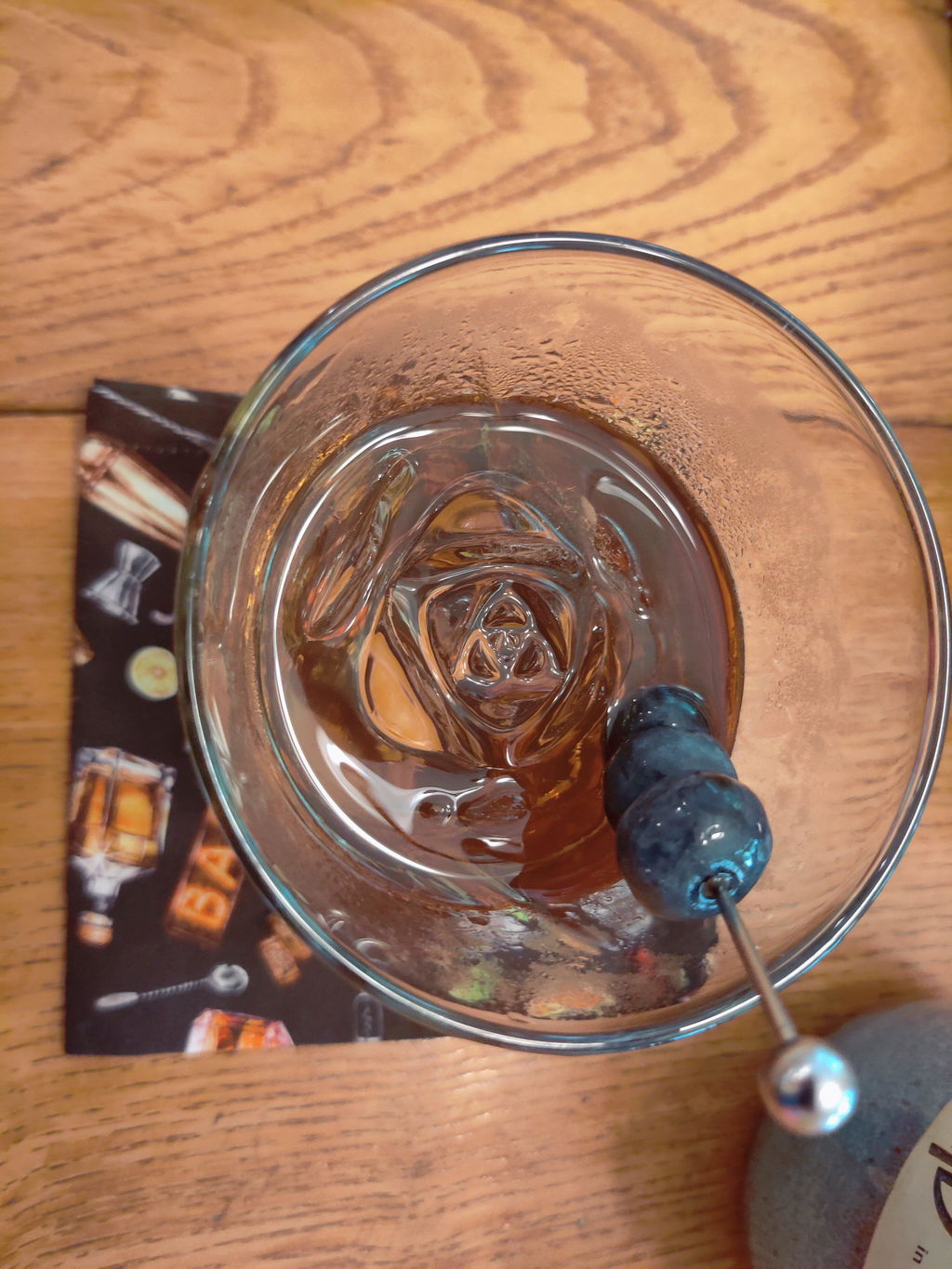
Makes and amazing ice ball but I was surprised that it had a taller outter cup set compared to other mould sets I had purchased, which makes a flat, thick ice puck at the bottom. Not exactly a complaint on my behalf but it does make it slightly harder to remove. Overall I am very happy with my purchase
Got it just in time to enjoy a baseball-themed Old Fashioned as I celebrated the Dodgers falling.
Seem great. Only issue I had was horrible trying to track them. Kept wanting me to sign into some sort of tracking app. But the did arrive all safe and sound!!!
not even close to what I ordered, give me what I paid for or refund my money. ty
This cube is excellent. I can put stuff inside like a limes mince oranges. It’s very awesome so cool.