

6 Ways to Make Ice Balls Without a Press
For mixologists, spirit aficionados, and home bartenders, the presentation and dilution rate of a cocktail are just as critical as the ingredients themselves. The undisputed champion of beverage chilling is the spherical ice ball. Thanks to its perfectly round geometry, a sphere possesses the lowest surface-area-to-volume ratio of any shape. This scientific fact means it melts far slower than standard ice cubes, chilling your premium whiskey or craft cocktail without turning it into a watery disappointment.

However, achieving this perfect sphere at home is often a challenge. Many enthusiasts search for techniques to make ice balls without a press, hoping to replicate the high-end cocktail bar experience on a budget. While we proudly manufacture the most advanced ice press in the world, we respect the DIY spirit of the cocktail community. From our experience, it is entirely possible to make ice balls without a press using various household items and clever freezing techniques. We recommend understanding the limitations of these methods regarding ice clarity and perfect symmetry, but they are an excellent starting point for your mixology journey.
Table of Contents
- 1. The Silicone Mold Method
- 2. The Water Balloon Technique
- 3. Hand Carving with an Ice Pick
- 4. The Crushed Ice Snowball Shaper
- 5. The Dual Funnel Method
- 6. The Layered Teacup Technique
- The Limitations of DIY: Why a Heated Press is Superior
- Comparing GLAZER Press to Traditional Methods
- Summary Table: DIY vs Professional Equipment
- Frequently Asked Questions (FAQs)
- References
1. The Silicone Mold Method
The most common and accessible way to make ice balls without a press is by purchasing two-piece silicone spherical molds. These molds are inexpensive and widely available. To use them, you fill the bottom half with water, press the top half on, and force the excess water out through a small top hole before placing it in the freezer.

While this is an easy way to make ice balls without a press, silicone molds have notable drawbacks. Because the water freezes from the outside in simultaneously, trapped air and impurities are pushed to the center, resulting in a cloudy, visually unappealing ice sphere. Furthermore, water expands as it freezes, which often pushes the two silicone halves apart, leaving your ice ball with an unsightly equatorial ridge reminiscent of a flying saucer. From our experience, to slightly improve clarity when using silicone molds, we recommend using filtered water that has been boiled twice to remove dissolved oxygen, though it will rarely achieve glass-like perfection.
2. The Water Balloon Technique
If you are hosting a party and need to quickly make ice balls without a press in large quantities, the water balloon method is a popular, albeit unconventional, hack. You take standard balloons, fill them with water until they reach a spherical shape, tie them off, and hang them or rest them gently in the freezer. Once frozen solid, you simply cut the latex away to reveal a round block of ice.
When you make ice balls without a press using balloons, safety and hygiene must be your top priorities. Standard party balloons are not food-grade and are often coated in powders to prevent sticking during manufacturing. We recommend thoroughly washing the inside and outside of the balloons before use, or ideally, sourcing food-safe latex. Additionally, balloons resting on a flat freezer shelf will flatten at the bottom, resulting in a teardrop or flat-bottomed shape rather than a perfect sphere.
3. Hand Carving with an Ice Pick
For purists and dedicated craft bartenders, traditional Japanese hand carving is the most authentic way to make ice balls without a press. This method requires a large block of completely clear ice—usually obtained via directional freezing in a small cooler. You begin by cutting a large cube from the block, and then use a multipronged ice pick, a cleaver, and a paring knife to meticulously chip away the corners until a rough sphere forms.
Choosing to make ice balls without a press via hand carving requires immense skill, patience, and caution. It is a time-consuming craft that can take years to master. While it yields beautiful, artisan results, it is highly impractical for serving multiple guests. The risk of injury from slipping tools is also a significant factor to consider. From our experience, hand carving is a beautiful performance art, but highly inefficient for high-volume entertaining.
4. The Crushed Ice Snowball Shaper
For those looking for a rapid solution, leveraging a snowball maker—the toy traditionally used for winter play—is a creative way to make ice balls without a press. You take crushed ice, allow it to reach a slightly malleable temperature, pack it into the snowball shaper, and squeeze the handles tightly to form a compressed sphere of ice.
We recommend this method only in a pinch. When you make ice balls without a press using crushed ice, you compromise the fundamental structural integrity of the ice. The resulting ball is full of micro-fissures and trapped air. Because it is not a solid, single crystalline structure, it will melt almost as quickly as regular crushed ice, diluting your premium whiskey rapidly and defeating the primary purpose of spherical ice.
5. The Dual Funnel Method
A highly resourceful DIY trick to make ice balls without a press involves using two identical kitchen funnels. You tape the wide mouths of the funnels together to form a sphere, plug the spout of the bottom funnel, fill the cavity with water through the top spout, and place it upright in the freezer.
To successfully make ice balls without a press using funnels, you must use strong, waterproof tape to prevent leaks. Even with careful preparation, the expansion of freezing water often breaks the seal, leaving a messy freezer and incomplete ice shapes. Furthermore, the resulting ice will have two distinct, flat protrusions where the spouts were located, requiring you to chip them away manually before serving.
6. The Layered Teacup Technique
If you lack any specialized molds, you can make ice balls without a press by utilizing small, rounded bowls or teacups. You fill two identical rounded cups with water and freeze them solid. Once frozen, you remove the two half-spheres, rub the flat edges together to melt them slightly, and press them together. Placing them back into the freezer allows the two halves to fuse into a single ball.
While this is an inventive way to make ice balls without a press, the thermal shock of adding them to a room-temperature liquid often causes the fused seam to split immediately. The aesthetic is generally poor, and the structural integrity is weak.
The Limitations of DIY: Why a Heated Press is Superior
While learning how to make ice balls without a press is a fun experiment for home bartenders, anyone serious about their spirits will quickly encounter the frustrations of these DIY methods. Cloudy ice, uneven melting, asymmetrical shapes, and labor-intensive processes detract from the relaxing ritual of enjoying a fine drink.

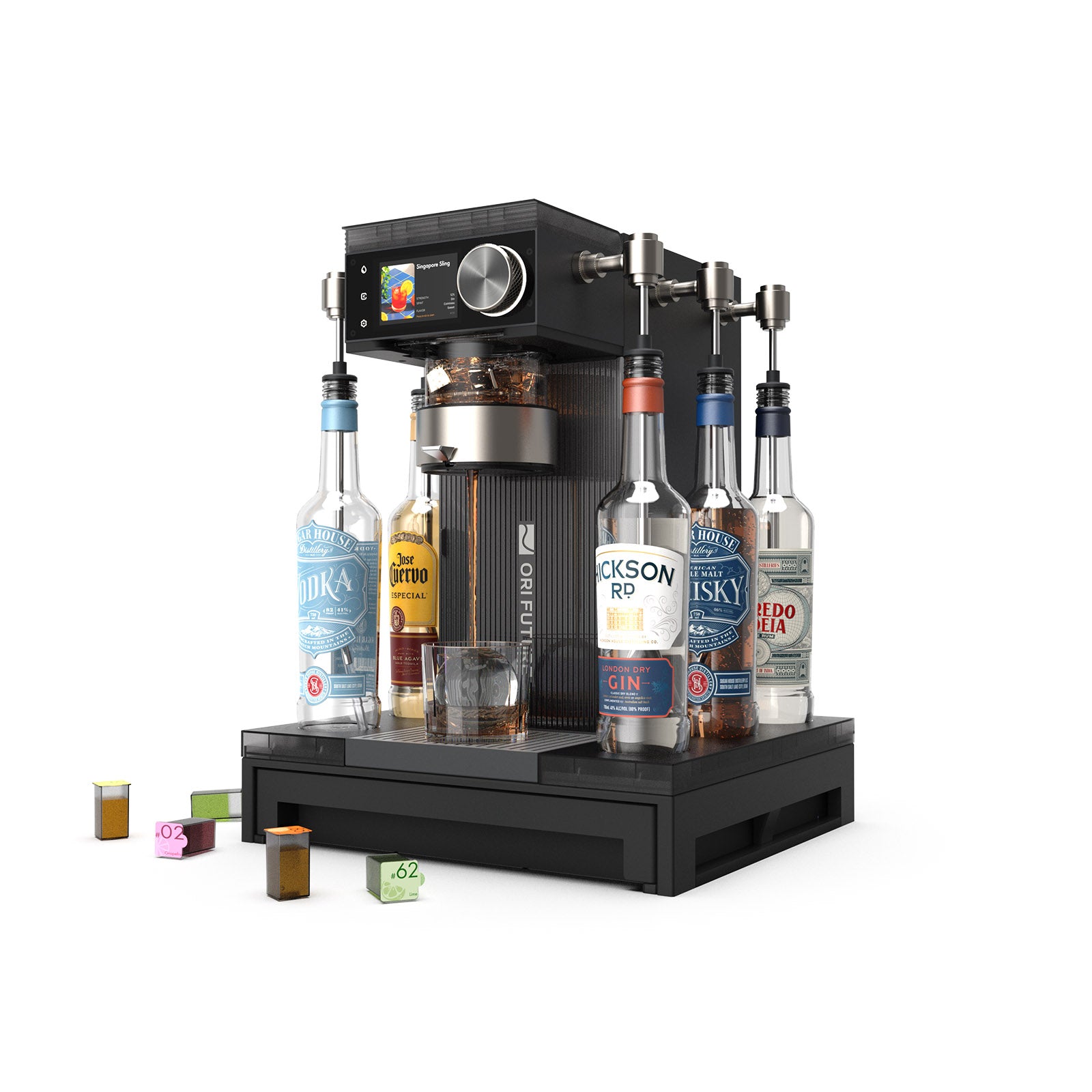
From our experience, if you value presentation, perfect dilution control, and effortless operation, investing in professional equipment is essential. This is exactly why we engineered the GLAZER Press whiskey ice ball machine. As the most advanced ICE Press in the world, it eliminates the guesswork, the messy molds, and the dangerous hand-carving tools.
Comparing GLAZER Press to Traditional Methods
Making ice spheres using a traditional, unheated gravity press is a step up from silicone molds, but even those older press models have severe limitations. Traditional presses rely solely on the ambient heat of the metal to melt the ice block. This means after one press, the metal is freezing cold, and you must wait upwards of 30 minutes, or run it under hot water, before making a second ball.
The GLAZER Press changes the industry entirely. Our machine is powered (100~120 V / 220~240 V | 600 W) and features an advanced Heating Pulse Temperature of 100 °F (37.8 °C). This means it rapidly returns to operating temperature, allowing for back-to-back pressing with only 2 minutes per round.
| Feature | GLAZER Press | Other Standard Presses |
|---|---|---|
| Back to back Pressing | Yes (600W Heated) | No (Not Heated) |
| Change Inserts | Skull, Diamond, Heart, Saturn, Sphere… | Only one shape |
| Pressing Time | 2 mins per round | 5 mins and up to 30 min next round |
| Magnetic inserts | Yes | No |
| Portable | Yes (~4.4 lbs / 2 kg) | No (>10 lbs) |
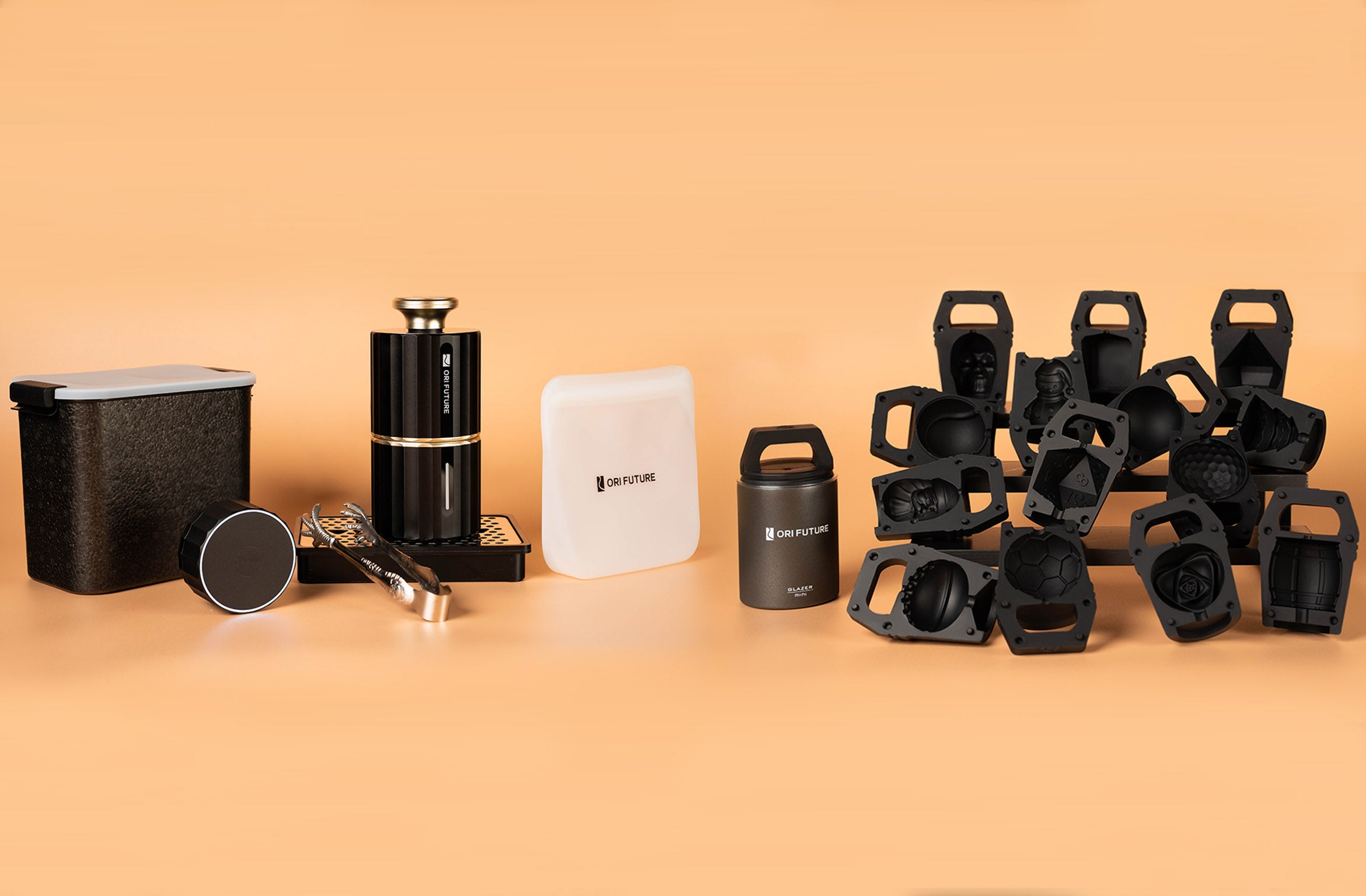
Furthermore, the GLAZER Press features a sleek black design with a compact product size of 6 × 6 × 11 inches (16 × 16 × 28 cm). Because it does not rely on massive, heavy blocks of metal for thermal mass, it weighs only ~4.4 pounds, making it highly portable. The unique magnetic inserts (3.2 × 3.2 × 1.6 inches) weigh between 0.9 and 1.5 pounds and can be swapped instantly, allowing you to create diamonds, skulls, hearts, and saturn shapes effortlessly.
Summary Table: DIY vs Professional Equipment
| Method | Time Required | Ice Clarity | Shape Perfection | Effort Level |
|---|---|---|---|---|
| Silicone Molds | 4-6 Hours | Poor to Moderate | Moderate (Often has a ridge) | Low |
| Balloons | 6-8 Hours | Poor | Poor (Tear-drop shape) | Moderate |
| Hand Carving | 10-20 Minutes (per ball) | Excellent (if using clear block) | Varies by skill | Very High |
| Snowball Shaper | Instant | Opaque | Moderate | Low (Melts incredibly fast) |
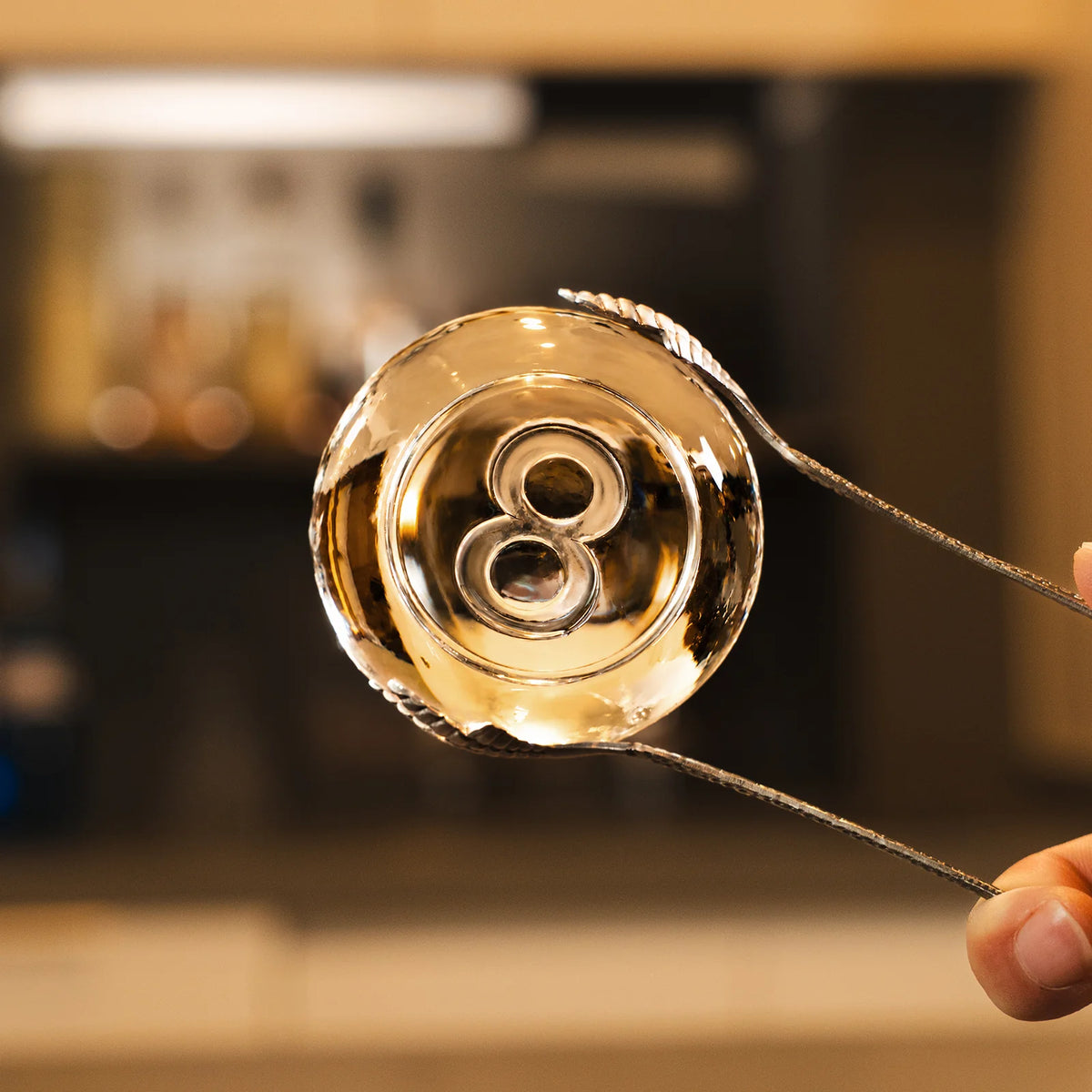
| GLAZER Press | 2 Minutes | Crystal Clear | Flawless Geometric Perfection | Effortless |
Frequently Asked Questions (FAQs)
Why does spherical ice melt slower than cubed ice?
It comes down to simple geometry. A sphere has the lowest surface-area-to-volume ratio of any three-dimensional shape. Because less of the ice's surface is exposed to the ambient liquid, the heat transfer happens more slowly, resulting in a longer chill with minimal dilution.
How can I get perfectly clear ice to make ice balls without a press?
To get clear ice, you must use a technique called "directional freezing." By freezing water in an insulated cooler inside your freezer, the water freezes from the top down. This pushes trapped air and impurities to the bottom of the block. You can then chip away the cloudy bottom layer and use the clear top layer for carving.
Is it safe to use balloons to make ice for drinks?
We do not recommend using standard party balloons for consumable ice. They are not manufactured to food-safe standards and may contain powders, chemical residues, or allergens (like latex). If you choose this method, strictly source balloons specifically marked as food-safe.
Why is the GLAZER Press faster than traditional ice presses?
Traditional presses rely purely on the thermal conductivity and weight of heavy metals (like aluminum or copper) to melt the ice. Once the metal gets cold, the process stops. The GLAZER Press utilizes a 600 W heating pulse that maintains an operating temperature of 100 °F, melting the ice rapidly and allowing for back-to-back pressing every 2 minutes without waiting for the machine to warm up.
References
To further understand the physics of ice melting rates, directional freezing, and thermodynamics in mixology, we recommend reviewing the following resources:
