


Are Ice Presses Heated? An Expert Guide to Modern Ice Shaping Technology
In the evolving world of high-end mixology and luxury beverage preparation, the visual presentation and thermal dynamics of ice have become just as important as the spirit itself. A perfectly clear, geometrically precise piece of ice not only elevates the aesthetic appeal of a cocktail but also dictates the dilution rate, ensuring the integrity of the drink remains uncompromised. As enthusiasts and professional bartenders seek to create these flawless shapes, a fundamental question frequently arises in our industry: Are ice presses heated?

From our experience at Orifuture, the confusion surrounding this topic stems from the historical evolution of bar equipment. For decades, the industry relied entirely on passive thermal mass to melt ice into spheres. However, as operational demands have increased, technology has had to adapt. When clients ask us, "Are ice presses heated?", we must explain the critical difference between outdated traditional models and the advanced, actively heated systems that define the modern era of mixology.
In this comprehensive and authoritative guide, we will explore the thermodynamics of ice shaping, the limitations of passive metal presses, and precisely why the answer to "Are ice presses heated?" has transformed from a resounding no to a definitive yes. We will also examine how the Orifuture GLAZER Press whiskey ice ball machine has completely revolutionized this category.
Table of Contents
- Summary Table: Passive vs. Actively Heated Ice Presses
- The Physics of Ice Shaping: How the Process Works
- Traditional Limitations: Why Unheated Presses Fail
- The Modern Standard: Are Ice Presses Heated Today?
- The Orifuture GLAZER Press: The Pinnacle of Heated Technology
- Unlocking Creativity: Interchangeable Magnetic Inserts
- Expert Recommendations for High-Volume Environments
- Frequently Asked Questions (FAQs)
- Industry References
Summary Table: Passive vs. Actively Heated Ice Presses
To provide immediate clarity on the operational differences, we have compiled a summary table comparing traditional unheated models with advanced actively heated systems. This will help you understand exactly why asking "Are ice presses heated?" is the most important consideration before investing in bar equipment.
| Feature / Specification | Traditional Passive Ice Press | Actively Heated Ice Press (e.g., GLAZER Press) |
|---|---|---|
| Power Source | None (Relies on ambient room temperature) | 100~120 V / 220~240 V | 600 W |
| Heating Mechanism | Unheated (Thermal mass of aluminum/copper) | Active internal heating core |
| Back to Back Pressing | No (Requires warming under hot water after 1-2 uses) | Yes (Continuous operation) |
| Pressing Time | Varies wildly depending on metal temperature | Consistent 2 mins per round |
| Portability and Weight | Extremely heavy (often 15 to 25 lbs) | Portable and lightweight (~4.4 pounds / 2 kg) |
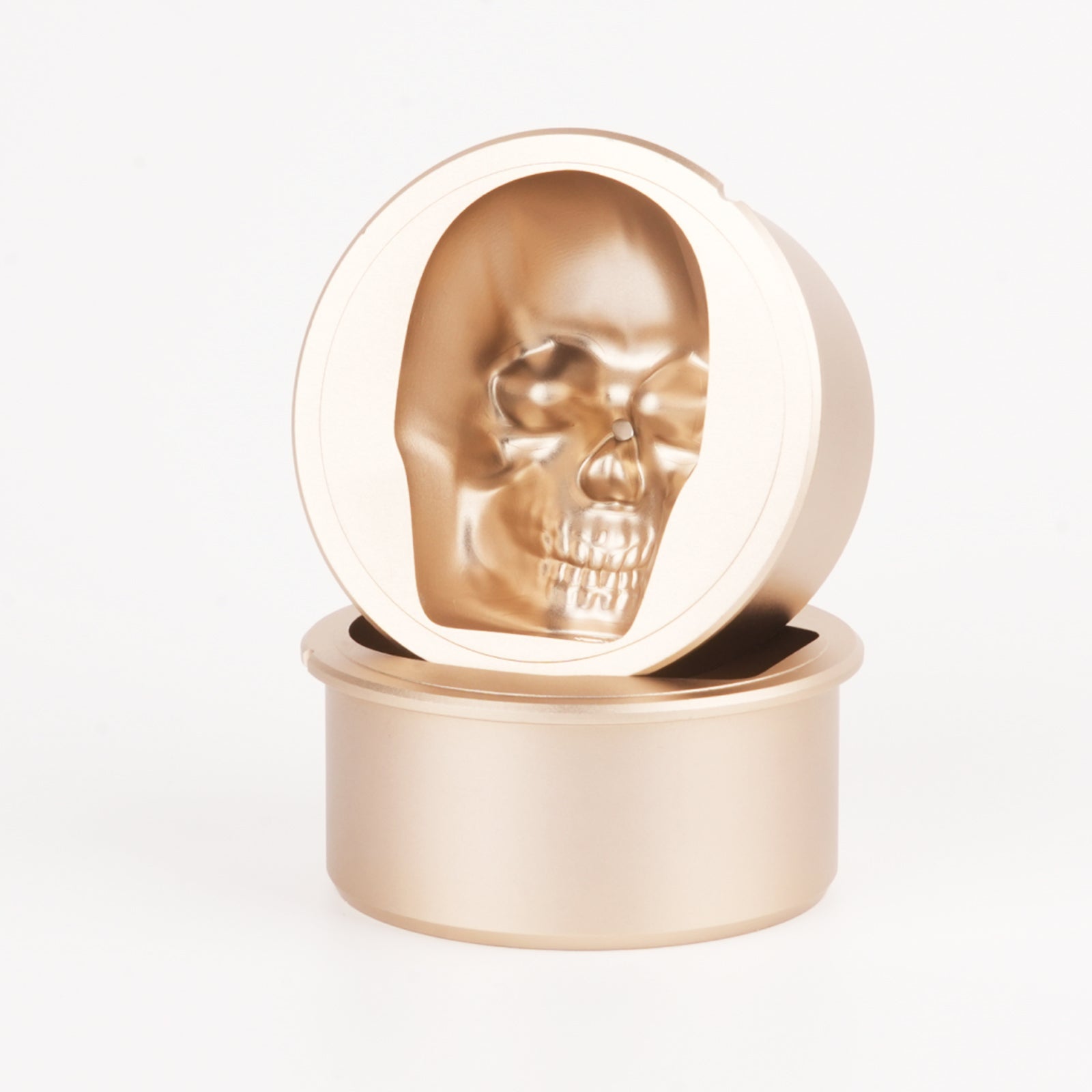
| Shape Versatility | Single fixed shape (usually spherical) | Magnetic inserts for Skull, Diamond, Heart, Saturn, Sphere |
The Physics of Ice Shaping: How the Process Works
Before addressing the specific heating mechanisms, we must establish the fundamental thermodynamics of shaping ice. An ice press does not literally "crush" or exert immense mechanical force to break the ice into a shape. Instead, it utilizes thermal conductivity. When a solid block of ice comes into contact with a material that possesses a higher temperature, heat transfers rapidly from the material to the ice, melting the exterior of the block while gravity pulls the top half of the press downward, encasing the ice in a perfectly milled cavity.
Historically, when people asked, "Are ice presses heated?", the answer was based on this passive thermal transfer. Traditional presses are machined from massive, solid blocks of aircraft-grade aluminum or copper. These metals have excellent thermal conductivity. By sitting in a room with an operating ambient temperature of 60° to 86°F (15° to 30°C), the metal absorbs heat from the air. When you place an ice cube inside, the ambient heat stored in the heavy metal rushes into the ice, melting it into a sphere.
Traditional Limitations: Why Unheated Presses Fail
If you are exploring the market and wondering, "Are ice presses heated?", you must be acutely aware of the severe limitations associated with unheated, passive thermal mass models. From our experience working with high-volume cocktail bars and hospitality professionals, the traditional unheated press is fundamentally flawed for continuous service.
Because an unheated press relies entirely on the ambient heat stored in its metal body, that heat is rapidly depleted during the first pressing cycle. By the time you attempt to press a second or third ice sphere, the aluminum has become freezing cold. The thermodynamic transfer stops, and the press simply gets stuck halfway down the guide rails. To reset the device, the bartender must run the entire heavy, cumbersome contraption under warm water, dry it off, and start again. This workflow is entirely unsustainable during a busy Friday night service.
To compensate for this rapid heat loss, manufacturers of traditional presses make them incredibly heavy—often exceeding 20 pounds—to store more ambient thermal mass. This makes them dangerous to drop, difficult to clean, and entirely non-portable. Therefore, the inquiry "Are ice presses heated?" represents a necessary shift away from brute-force metal weight toward intelligent engineering.
The Modern Standard: Are Ice Presses Heated Today?
The definitive answer to the question "Are ice presses heated?" is that the most advanced, professional-grade systems on the market today absolutely are. We recommend completely avoiding unheated passive presses if you value efficiency, consistency, and operational speed.
By integrating active, electrical heating elements into the core of the machine, engineers have solved the thermal depletion problem entirely. An actively heated ice press applies continuous, regulated thermal energy to the molds. This means the device never gets cold, no matter how many blocks of ice you process. When industry professionals ask us, "Are ice presses heated?", we proudly explain that active heating is the only way to guarantee a flawless, high-speed beverage service.
The Orifuture GLAZER Press: The Pinnacle of Heated Technology

At Orifuture, we recognized the profound inefficiencies of the traditional unheated market. To directly answer the industry demand, we engineered the GLAZER Press whiskey ice ball machine, unequivocally the most advanced ICE Press in the world. So, are ice presses heated when you purchase from Orifuture? Yes, with unprecedented precision.
The GLAZER Press operates on a standard power supply of 100~120 V / 220~240 V, utilizing an efficient 600 W heating core. Rather than relying on a 20-pound block of aluminum, the GLAZER Press uses targeted electrical energy to maintain a highly controlled Heating Pulse Temp. of 100 °F (37.8 °C). This specific temperature is a marvel of engineering. If an ice press is heated too aggressively, the ice will suffer from thermal shock, leading to micro-fractures and a cloudy appearance inside the cube. By maintaining a gentle, consistent 100 °F pulse, the GLAZER Press melts the ice smoothly, preserving its crystal-clear aesthetic and structural integrity.
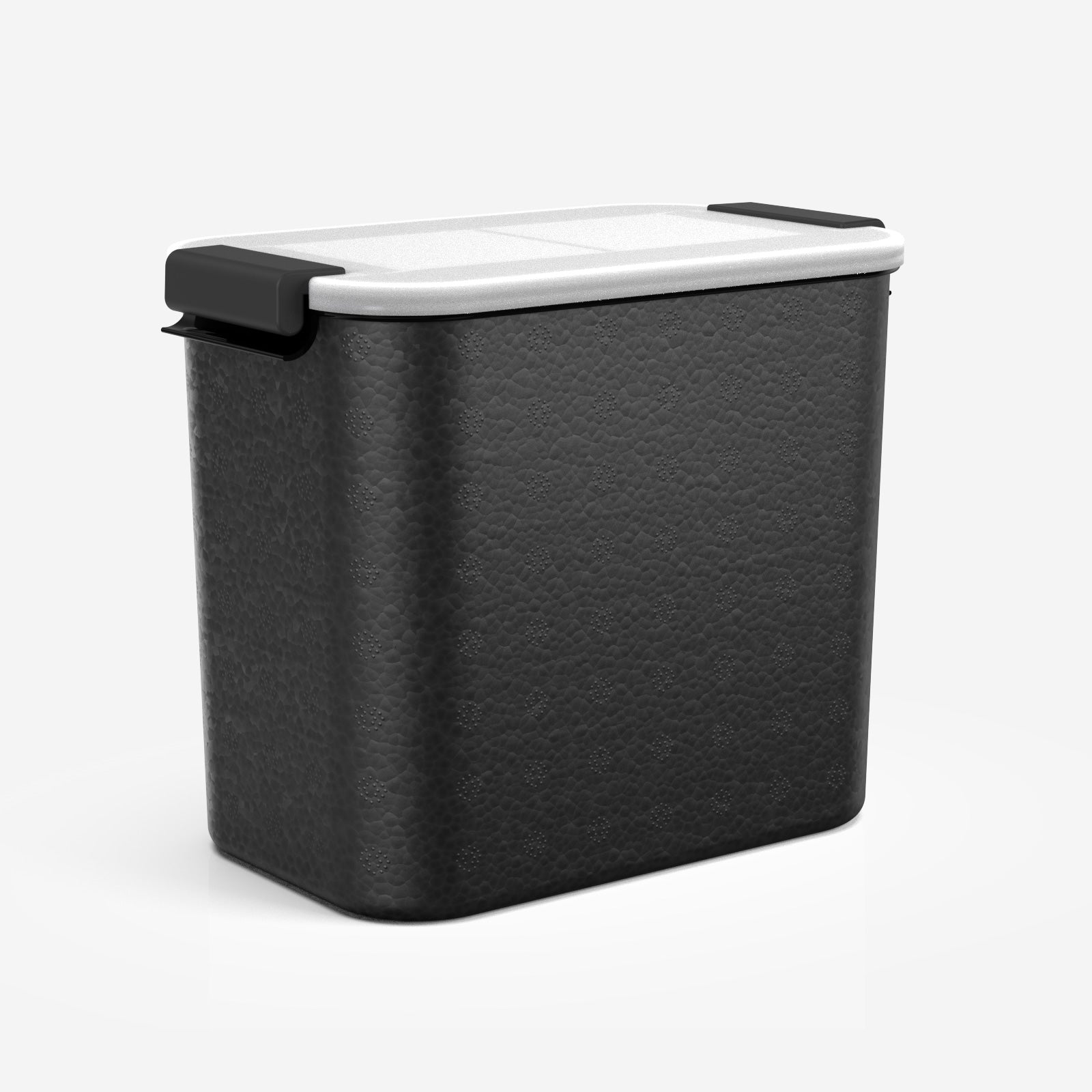
Because the GLAZER Press is actively heated, its physical footprint has been drastically reduced. The product size is a highly manageable 6 × 6 × 11 inches (16 × 16 × 28 cm), and the product weight is merely ~4.4 pounds (~2 kg). It is entirely portable (yes, at roughly 4 lbs, you can easily transport it for catering events), a feat that is physically impossible to achieve with a traditional, unheated thermal mass press.
Unlocking Creativity: Interchangeable Magnetic Inserts
When consumers investigate the query, "Are ice presses heated?", they often uncover another massive benefit of active heating technology: modularity. Traditional unheated presses are milled from a single block of metal to maximize thermal mass; therefore, they can only ever make one shape—usually a sphere.
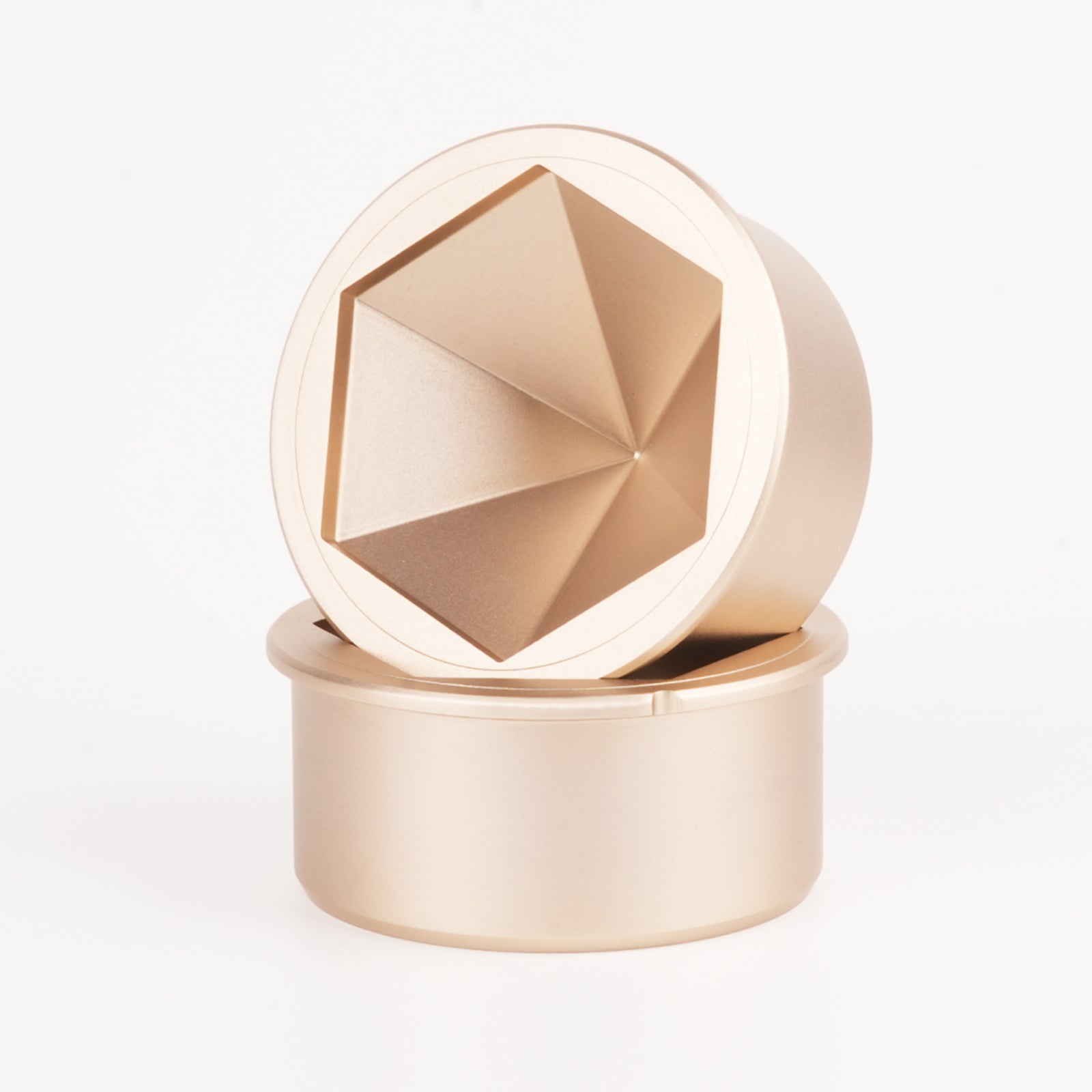
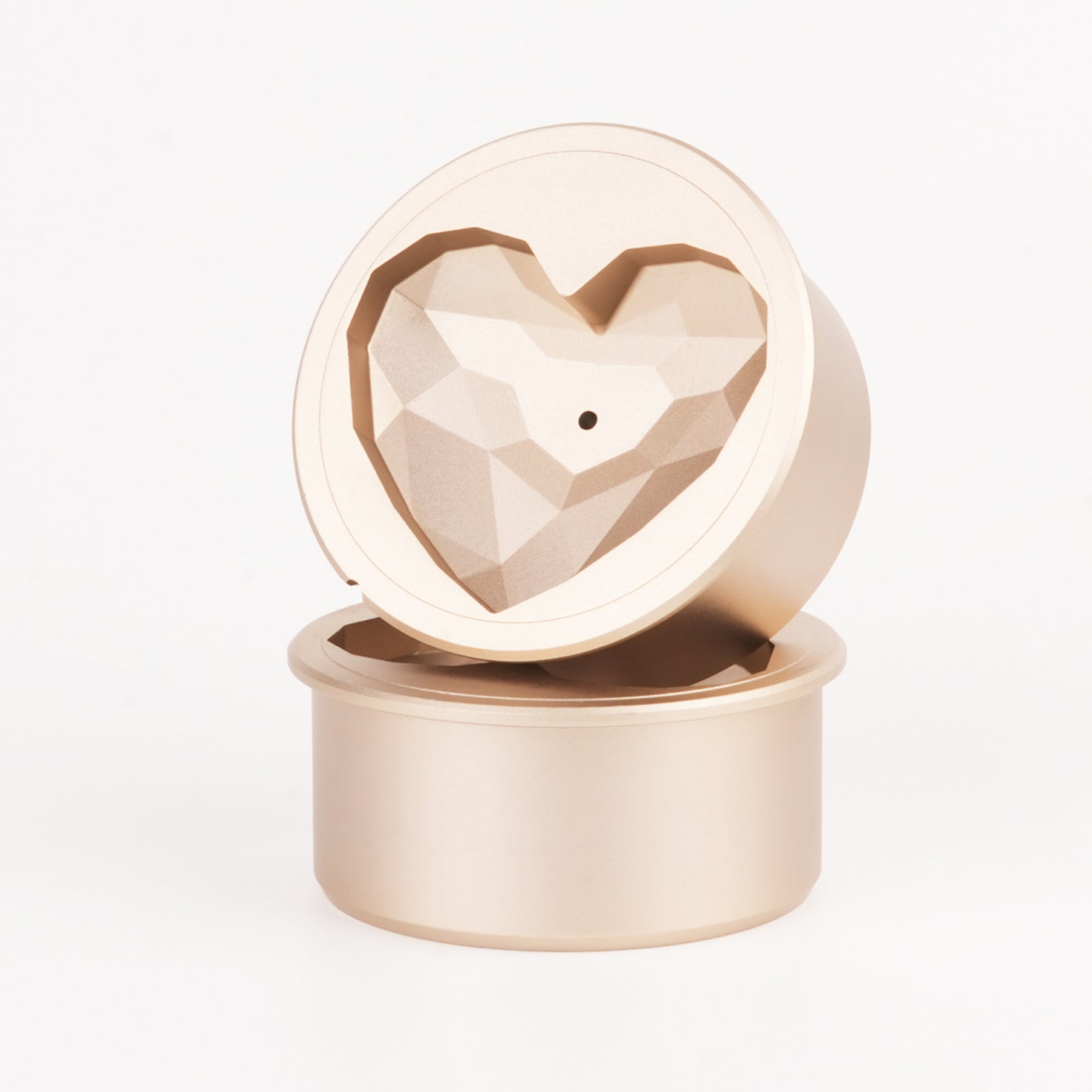
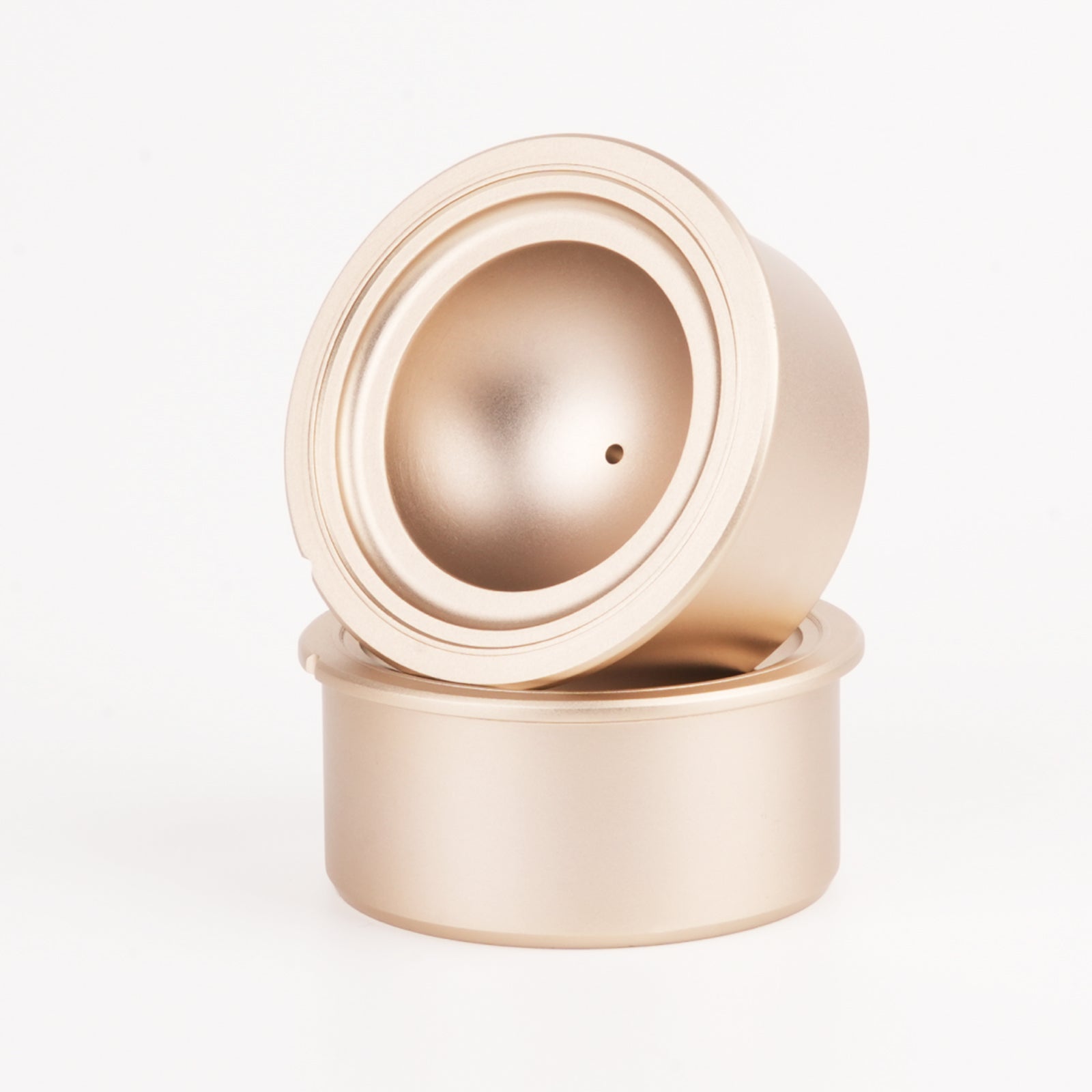
Because the GLAZER Press relies on a 600 W active heating core rather than the weight of the metal itself, we were able to detach the molds from the primary heating engine. The GLAZER Press features a revolutionary system of magnetic inserts. These inserts, which have an Inserts Size of 3.2 × 3.2 × 1.6 inches (8 × 8 × 4 cm) and an Inserts Weight of 0.9~1.5 pounds (400~700 grams), snap effortlessly onto the heated core.
This allows mixologists to change inserts instantly. The GLAZER Press supports a stunning variety of shapes, including the Skull, Diamond, Heart, Saturn, and Sphere. When users ask, "Are ice presses heated?", they are thrilled to learn that the heating technology is precisely what allows a single 4.4-pound machine to produce five distinct, intricate ice shapes at a rapid pace of just 2 mins per round.
Expert Recommendations for High-Volume Environments
From our experience consulting with luxury hospitality groups, the transition to actively heated ice processing is mandatory for scalability. If your beverage program requires serving multiple premium cocktails simultaneously, you simply cannot afford the downtime associated with passive metal presses.
We recommend the GLAZER Press because it guarantees back to back pressing. The active 100 °F heating pulse ensures the molds recover their temperature instantly after a cycle is completed. Operating flawlessly in an ambient temperature range of 60° to 86°F (15° to 30°C), it completely eliminates the need to run equipment under hot water sinks. The sleek, black design elevates the visual appeal of any back bar, turning the ice-pressing process into a captivating, 2-minute theatrical performance for your guests rather than a cumbersome, frustrating chore for your staff.
Frequently Asked Questions (FAQs)
Exactly how are ice presses heated in modern systems?
Modern systems like the Orifuture GLAZER Press utilize an internal 600 W electrical heating core that connects to a standard wall outlet. This core delivers a consistent, regulated Heating Pulse Temp. of 100 °F (37.8 °C) directly to the magnetic inserts, ensuring rapid and continuous ice melting without thermal shock.
Are ice presses heated enough to burn the operator?
No. Safety is a primary concern in our engineering. The GLAZER Press limits its heating pulse to 100 °F (37.8 °C). This is warm to the touch—similar to human body temperature—and is perfectly calculated to melt the ice efficiently without posing any burn risk to the bartender operating the machine.
Can I use an unheated press for back-to-back cocktail orders?
From our experience, you cannot efficiently use an unheated press for back-to-back orders. An unheated press loses its stored thermal energy after the first use, becoming freezing cold and causing the next block of ice to stick. You must invest in an actively heated system if you require continuous, back-to-back pressing capability.
Why is the Orifuture GLAZER Press so much lighter than other presses?
When people ask, "Are ice presses heated?", they often do not realize that unheated presses must weigh 15 to 25 pounds simply to hold enough ambient room heat to melt the ice. Because the GLAZER Press uses an active 600 W electrical heater, it does not need massive, heavy metal blocks to store heat. This reduces the product weight to a highly portable ~4.4 pounds (~2 kg) while vastly improving performance.
Industry References
- Thermodynamics of Ice Melting and Phase Transitions in Culinary Applications - Journal of Food Engineering and Technology, 2024. View Research Guidelines
- Global Mixology Standards for Premium Beverage Presentation and Dilution Control, 2025.