


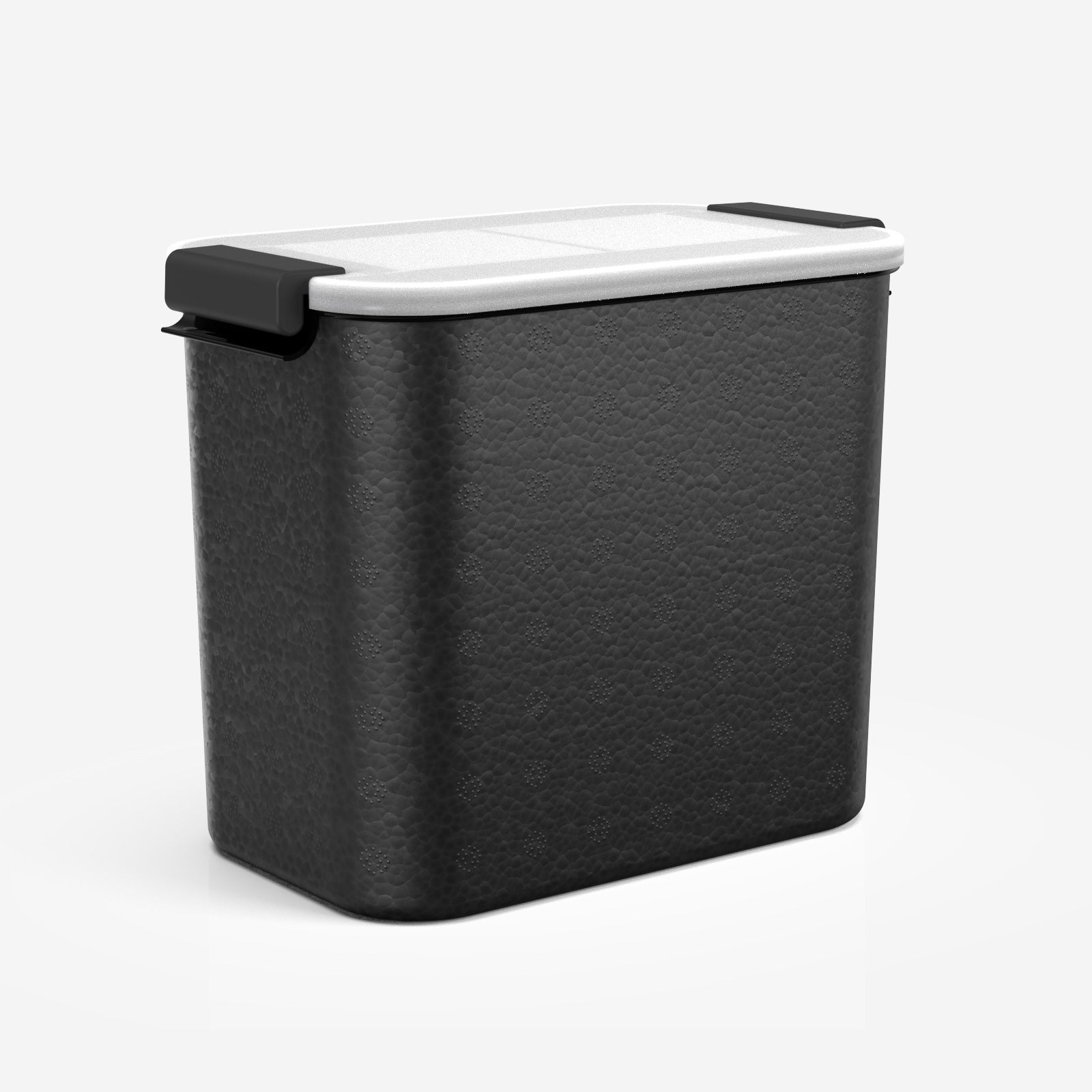


Scientific Insight: Water forms hexagonal crystalline structures when freezing. The speed and direction of freezing determine crystal size and alignment. Slow freezing from a single direction produces larger, more organized crystals that push impurities ahead of the freezing front, creating clearer ice.
At the molecular level, an ice ball press applies focused thermal energy and mechanical pressure to rapidly transform irregular ice cubes into perfect spheres with optical clarity. The thermal process involves precise temperature control typically between 100-120°F (37.8-48.9°C)—hot enough to melt ice quickly but not so hot as to create steam or water vapor that would introduce new bubbles.
This phase transition management is crucial: the press must melt the surface ice just enough to create a moldable layer while maintaining the core's frozen integrity. The pressure then redistributes this semi-liquid layer evenly across a spherical mold, where it immediately refreezes due to the remaining cold mass and often active cooling elements in the press plates.
Anatomy of an Ice Ball Press: Components and Their Functions
Understanding ice ball press how it works requires examining each component's role in the transformation process:
Heating Elements & Temperature Control
Most quality presses utilize pulse heating technology rather than continuous heating. This means the aluminum or stainless steel plates heat in short, controlled bursts to exactly 100°F (37.8°C)—the optimal temperature for surface melting without boiling. Advanced units like the GLAZER system incorporate thermocouple sensors that constantly monitor plate temperature, adjusting power delivery to maintain consistency regardless of room temperature fluctuations.
Pressure Mechanism
The mechanical system applies between 50-150 pounds of force depending on the model. This isn't hydraulic pressure but rather steady, consistent mechanical pressure delivered through springs, levers, or screw mechanisms. The pressure serves two purposes: it forces melted ice to fill the spherical mold completely, and it ensures intimate contact between ice and cold plates to facilitate rapid refreezing.
Mold Inserts & Material Science
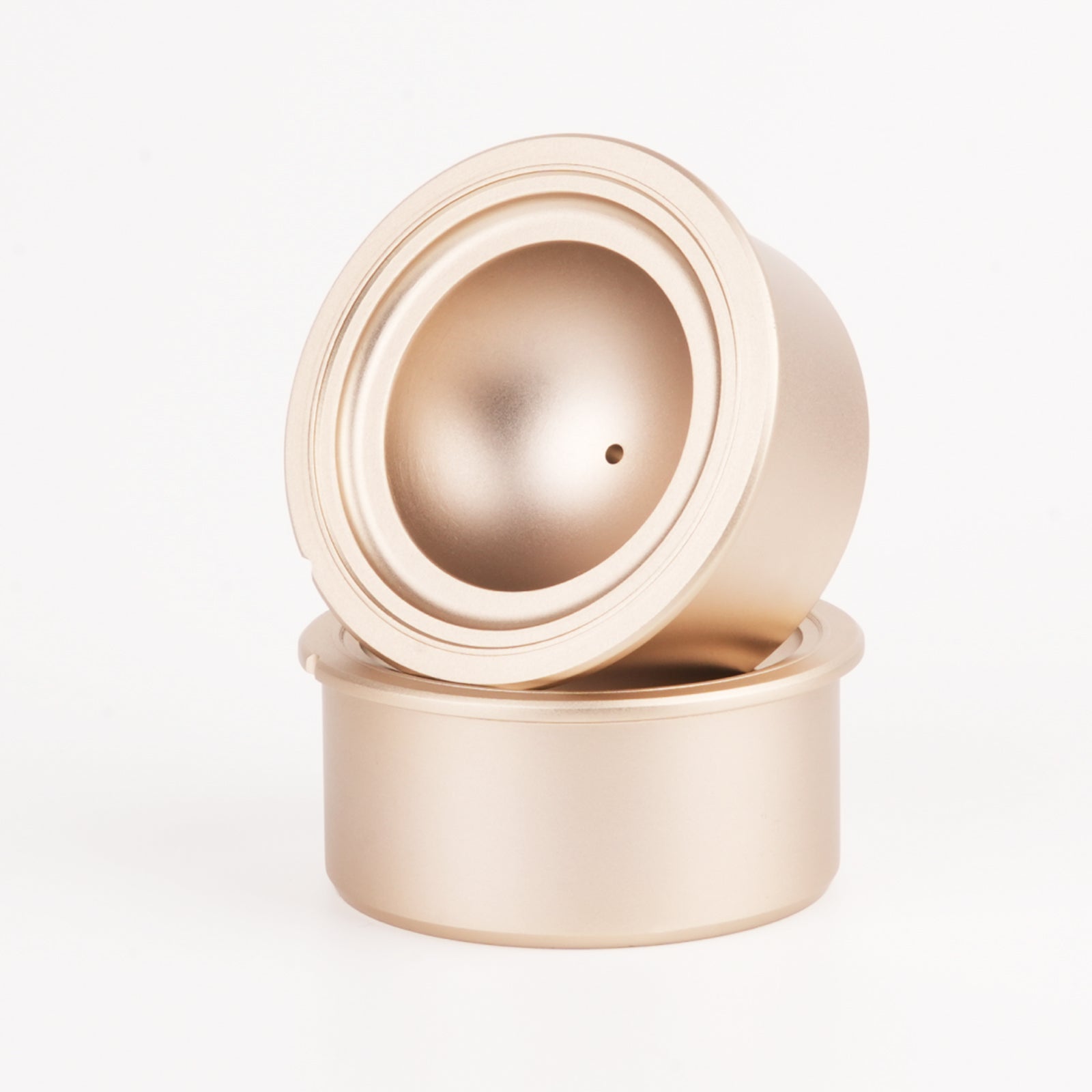
The spherical cavity is typically made from food-grade stainless steel or anodized aluminum with excellent thermal conductivity. These materials must transfer cold efficiently while being non-stick enough to release the finished sphere. The GLAZER system's inserts measure 3.2 × 3.2 × 1.6 inches (8 × 8 × 4 cm), optimized for standard 2-inch ice cubes while allowing expansion room for the spherical transformation.

Step-by-Step: How an Ice Ball Press Transforms Cubes to Spheres
Preparation Phase
Begin with fully frozen, clear ice cubes approximately 2 inches square. The ice should be tempered at room temperature for 2-3 minutes to reach approximately 25°F (-4°C)—cold but not brittle. Insert the cube between the press plates, ensuring centered placement for even transformation.
Initial Engagement
Close the press mechanism until the plates make contact with the ice cube. At this stage, you'll feel resistance as the flat surfaces begin to compress the cube's corners. Most quality presses have an initial spring-loaded stage that applies light pressure before the main mechanism engages.
Thermal Activation
Activate the heating system (either via button or automatic sensor). The plates rapidly heat to precisely 100°F (37.8°C). This creates a thin liquid boundary layer approximately 1-2mm thick around the entire ice cube. The heating duration is critical—typically 45-90 seconds depending on cube size and starting temperature.
Pressure Application
As heating concludes, the main pressure mechanism engages fully. The mechanical advantage system (usually a lever or screw) multiplies hand force to deliver consistent, even pressure from all directions. The semi-liquid ice flows into the spherical mold cavities, with excess water being expelled through small drainage channels.
Refreezing Phase
With the ice now conforming to the spherical mold, the heating elements deactivate while the cold mass of the remaining ice (typically 70-80% still frozen) rapidly cools the liquid layer. The press plates, now no longer actively heated, begin to draw heat away from the ice-water interface. Complete refreezing occurs in 30-60 seconds.
Release & Extraction
Open the press mechanism. The now-spherical ice, with its perfectly smooth surface, releases easily from the non-stick mold. The finished sphere will measure approximately 2.5 inches (6.35 cm) in diameter with optical clarity far superior to the original cube.
Material Science: Metals, Thermal Conductivity, and Surface Engineering
The ice ball press how it works depends fundamentally on material properties. The choice of metals and surface treatments determines efficiency, durability, and ice quality:
Aluminum vs. Stainless Steel: Most presses use 6061 or 7075 aluminum alloy for the main plates due to its excellent thermal conductivity. Some premium models use food-grade stainless steel for corrosion resistance, though its lower conductivity requires more powerful heating elements.
Surface Treatments: The mold surfaces receive specialized treatments to prevent sticking while maintaining thermal transfer. Hard-anodized aluminum provides a durable, non-reactive surface that won't impart metallic tastes. The GLAZER system uses a proprietary ceramic-infused anodization that provides both non-stick properties and enhanced heat distribution.
Optimizing Performance: Maintenance, Calibration, and Best Practices
Professional Tip: The press cannot create clarity from cloudy ice. Always start with directionally frozen ice or boiled-then-frozen water to minimize air bubbles. Cube size should match the mold—typically 2-2.25 inch cubes work best for optimal sphere formation.
To consistently produce perfect spheres, proper maintenance and technique are essential:
- Daily Cleaning: After each use, wipe plates with a soft, damp cloth. Monthly, clean with a vinegar solution (1:4 vinegar to water) to dissolve calcium deposits.
- Temperature Calibration: Use an infrared thermometer monthly to verify plates reach exactly 100°F (37.8°C). Some models like GLAZER include self-calibration routines.
- Operational Environment: Maintain ambient temperature between 60-86°F (15-30°C). Too cold and the heating system works excessively; too warm and refreezing becomes inconsistent.
- Production Rhythm: For multiple spheres, establish batch processing. While one sphere sets, prepare the next cube. Most presses can produce 4-6 spheres per 10 minutes with practice.
GLAZER Ice Ball Press Master Bundle: Comprehensive System Analysis
GLAZER Ice Ball Press Master Bundle
Your Ice Journey Never Be Alone – All Shapes, All Accessories, Into One Master Bundle
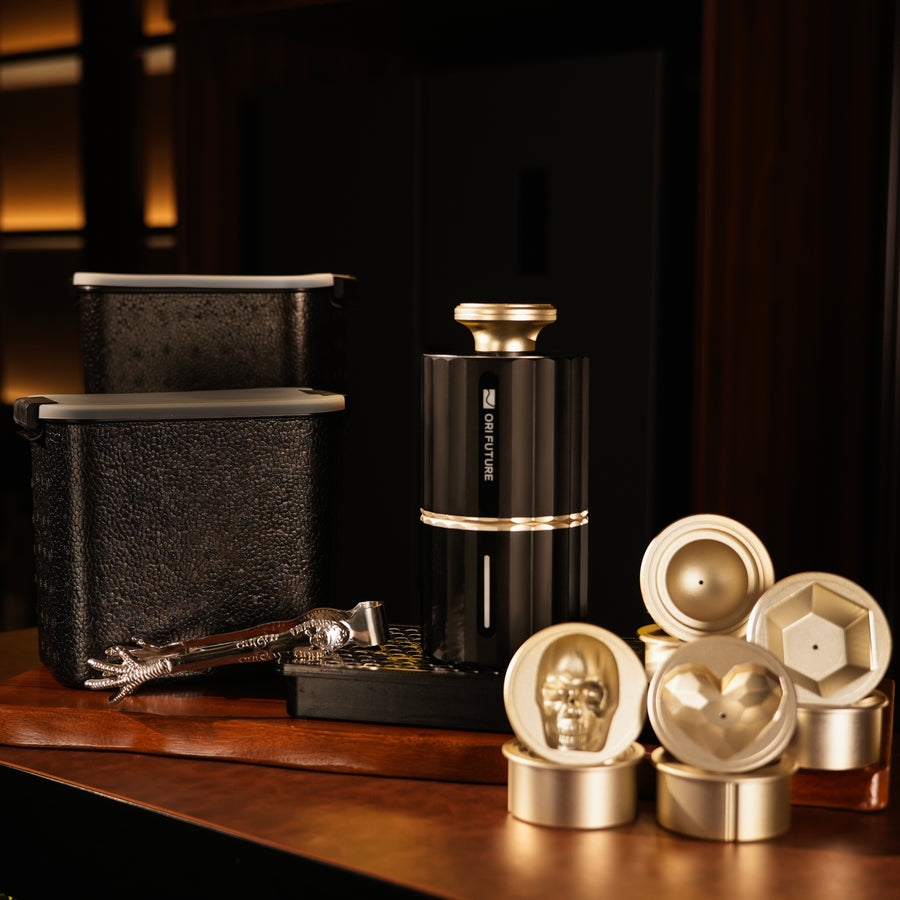
For the cocktail enthusiast and the whisky/bourbon devotee alike, the GLAZER Ice Press Master Bundle is the definitive companion. Within this single set you'll find a full suite of exquisitely crafted shapes — from classic spheres to unique diamond, heart and more — together with every tool you need to create flawless clear ice. Nothing is missing; everything is ready.
Faster Ice Production
GLAZER ICE Press can produce multiple ice shapes in a row, effortlessly covering every guest at your gathering with perfectly crafted ice.
5 Shapes and More
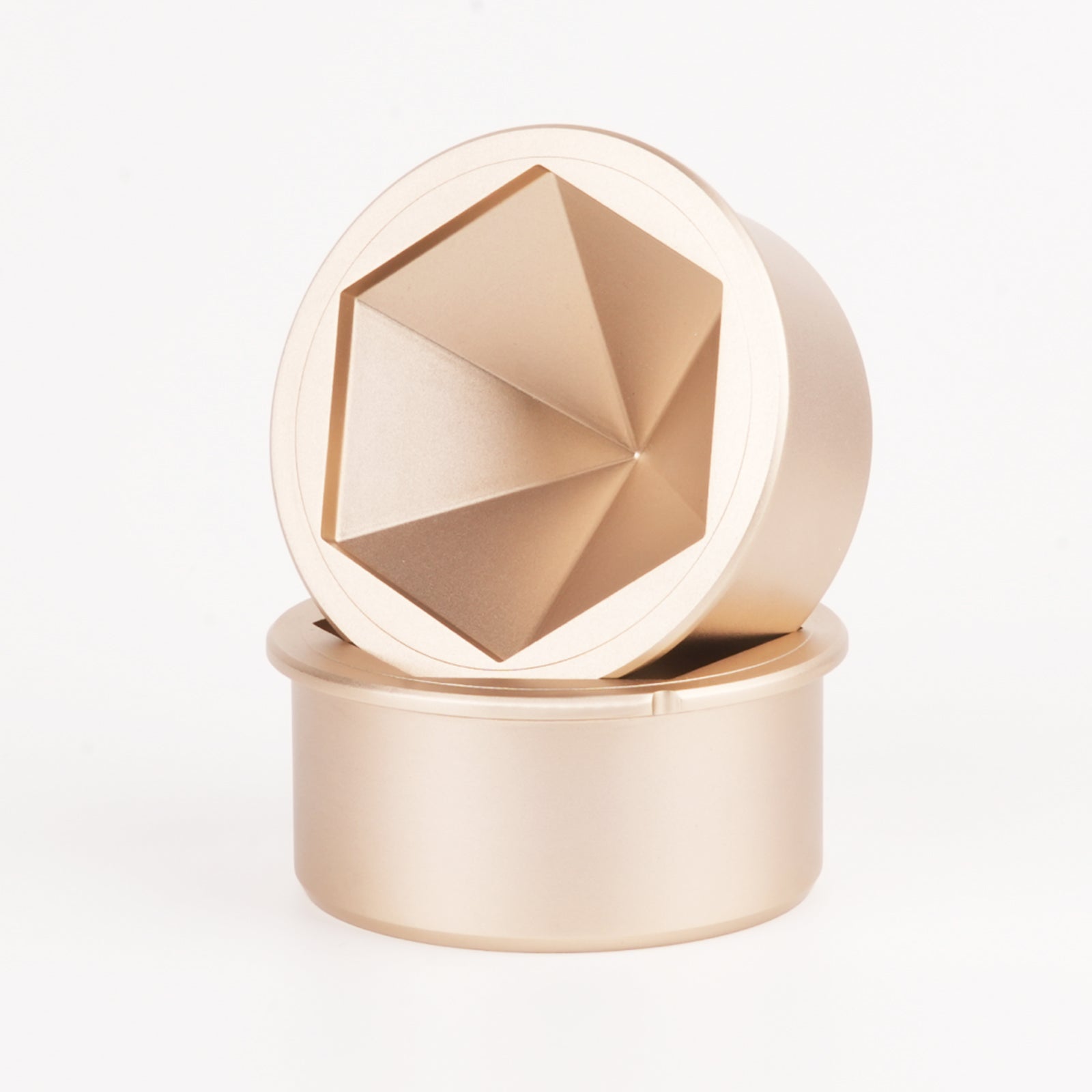
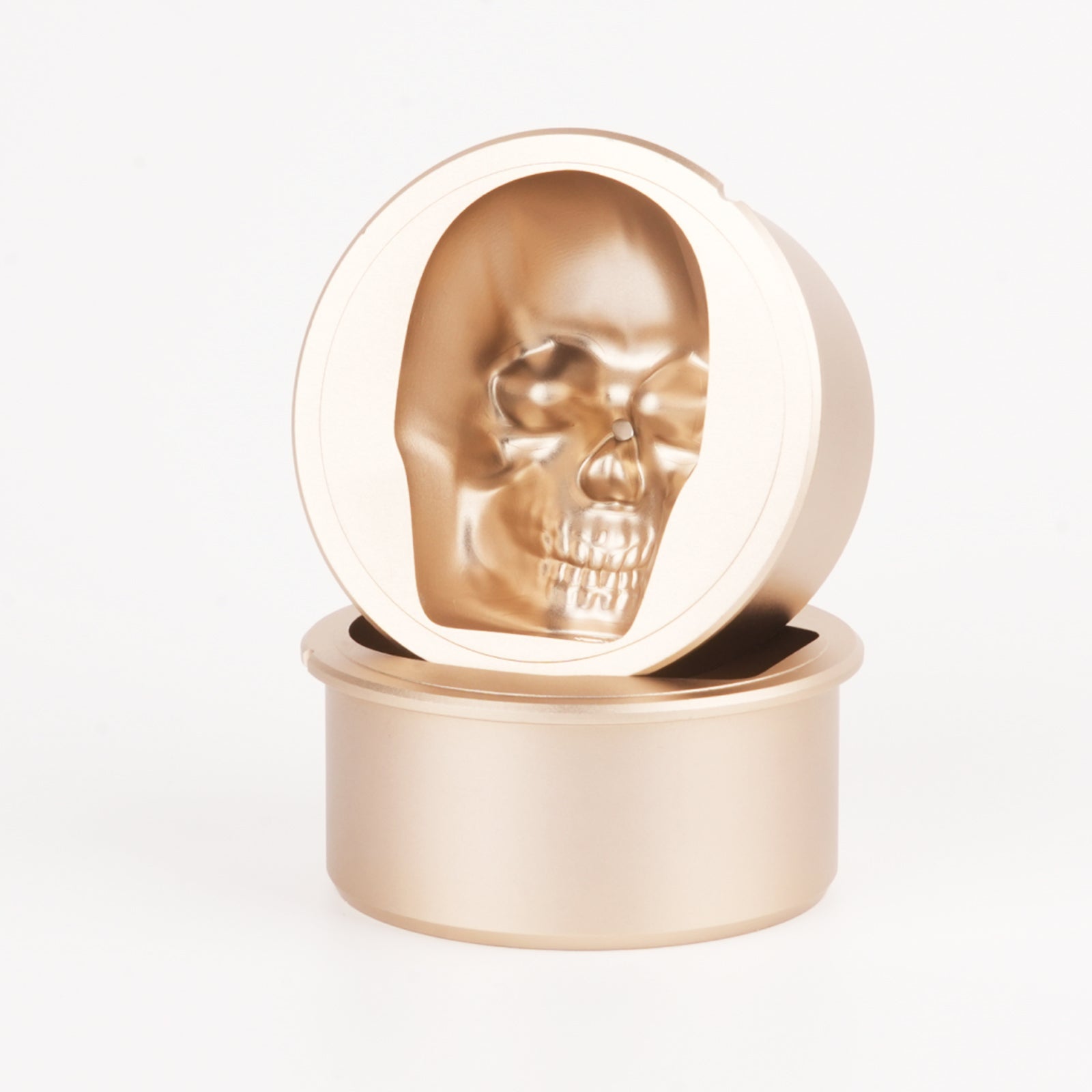
Includes 5 unique shapes (sphere, diamond, heart, cube, rock), with more coming soon to keep your ice game fresh and fun.
Celebration of Life
More than a kit, it's your perfect companion for drinks that bring happiness and joy. Share special moments where every serve becomes a celebration.
Technical Excellence: The GLAZER Master Bundle represents the current pinnacle with its 600W pulse heating system, five interchangeable mold inserts, and professional-grade construction. The dual voltage capability (100-120V / 220-240V) allows international use without transformers, while the ceramic-infused anodization ensures durability for approximately 8,000 press cycles.
Comparative Technology Analysis: Press vs. Mold vs. Machine
| Technology | Process | Time per Sphere | Clarity Quality | Equipment Cost | Best Application |
|---|---|---|---|---|---|
| Ice Ball Press | Thermal/mechanical transformation | 90-120 seconds | Excellent (improves source ice) | $$$ | Bars, enthusiasts, gift |
| Silicone Molds | Freezing in shaped cavity | 4-6 hours | Poor to fair (traps bubbles) | $ | Home casual use |
| Directional Freezers | Controlled freezing in boxes | 18-24 hours | Excellent (professional grade) | $$ | High-volume bars |
| CNC Ice Carving | Mechanical removal from block | 5-10 minutes | Excellent (from clear block) | $$$$ | Competition, luxury events |
Key Differentiator: The ice ball press uniquely improves ice clarity rather than simply changing shape. By melting and refreezing the surface, it allows remaining bubbles to escape while creating an optically clear outer layer. This distinguishes it from molds (which trap imperfections) and carving (which exposes interior bubbles).
Troubleshooting: Common Issues and Solutions
Even understanding ice ball press how it works, users may encounter these common issues:
- Incomplete sphere formation: Usually caused by insufficient pressure or undersized ice cube. Use properly sized 2-inch cubes and apply firm, consistent pressure.
- Cloudy surface: Overheating creates steam bubbles that refreeze into surface. Verify temperature calibration; ensure heating doesn't exceed 100°F.
- Ice sticking to molds: Mineral buildup or insufficient non-stick coating. Regular cleaning with vinegar solution helps.
- Long refreezing time: Ambient temperature too warm or ice starting temperature too high. Operate in 60-75°F environment.
- Inconsistent results: Uneven pressure application or worn mechanism. Check for mechanical wear; practice consistent technique.
Frequently Asked Questions
Pressing significantly improves clarity through surface melting and refreezing. This process allows micro-bubbles near the surface to escape, creating an optically clear outer layer approximately 3-5mm deep. The core remains unchanged, so starting with clear ice still matters, but the visible portion becomes dramatically clearer.
Quality presses like the GLAZER Master Bundle can typically produce 8-10 spheres consecutively before requiring a 5-minute cooldown. The limiting factor is thermal mass—the plates absorb heat from both the heating elements and the melting ice. After several cycles, they exceed optimal operating temperature and need time to dissipate heat.
With proper materials (food-grade aluminum or stainless steel with appropriate coatings), there should be zero taste transfer. The contact time is brief (2-3 minutes), and temperatures remain below levels that could cause metallic leaching. Regular cleaning prevents mineral buildup that might affect taste. The GLAZER's ceramic-infused anodization provides an additional taste barrier.
Absolutely not. The ice ball press is specifically engineered for water's phase change properties at 32°F (0°C). Attempting to press other materials could damage the mechanism, void warranties, and create safety hazards. The temperature, pressure, and timing are precisely calibrated for the thermal properties of water/ice transitions.
This usually indicates either uneven pressure application (favoring one side when closing the press) or an irregularly shaped starting cube. Ensure cubes are uniformly square and apply pressure evenly across the lever/mechanism. Also check that the cube is centered properly before beginning the press cycle.
Conclusion: Mastery Through Understanding
The journey through ice ball press how it works reveals a fascinating intersection of thermal physics, material science, and mechanical engineering—all serving the seemingly simple goal of perfect ice. The technology transforms what was once exclusively a professional bartending tool into an accessible enhancement for any serious beverage enthusiast.
The GLAZER Ice Ball Press Master Bundle represents the current apex of this technology for consumer use, combining rapid 600W heating, five-shape versatility, and professional-grade construction in a package suitable for both home and commercial use. Its comprehensive approach—including all necessary accessories in one system—eliminates the piecemeal accumulation that often frustrates enthusiasts.
Final Recommendation: For those serious about beverage presentation, understanding ice ball press how it works is just the beginning. The GLAZER Master Bundle provides not just the tool but the complete system for ice perfection. Whether crafting whisky spheres that melt at the ideal rate or creating heart-shaped ice for romantic cocktails, this technology elevates every drink from ordinary to exceptional.
References & Technical Resources
-
International Society of Beverage Technologists. (2025). Thermodynamic Principles in Ice Formation for Beverage Service. ISBT Monograph Series.
-
American Society of Heating, Refrigerating and Air-Conditioning Engineers. (2025). Phase Change Materials in Consumer Applications. ASHRAE Technical Bulletin.
- Food Safety and Standards Authority. (2024). Materials in Contact with Consumable Ice: Safety Protocols. FSSA Regulation Update.