
5 Expert Tips on How Restaurants Get Their Ice So Clear
Have you ever ordered a premium spirit or a meticulously crafted cocktail at a high-end establishment and found yourself mesmerized by the perfectly invisible, glass-like cube sitting in your glass? You are certainly not alone. The visual impact, slow-melting properties, and absolute purity of flawless ice are fundamental cornerstones of elite mixology. At Ori Future, our engineers and beverage specialists have spent years analyzing the thermal dynamics of water and the rigorous demands of the hospitality industry. From our experience, the secret does not lie in magic, but rather in a calculated combination of physics, advanced machinery, and flawless execution.

If you find yourself constantly wondering why your home freezer produces cloudy, fast-melting cubes while professionals serve pristine spheres, the answer is multi-faceted. In this comprehensive guide, Ori Future will reveal the exact methodologies and five expert tips explaining how restaurants get their ice so clear, and how you can adopt these professional standards for your own bar program or luxury home setup.
Table of Contents
- 1. The Mastery of Directional Freezing
- 2. High-Volume Commercial Ice Machines
- 3. Strict Temperature and Agitation Control
- 4. Advanced Reverse Osmosis Water Filtration
- 5. Precision Shaping with Advanced Ice Presses
- Summary Table: Professional vs. Standard Ice
- The GLAZER Press Whiskey Ice Ball Machine
- Frequently Asked Questions (FAQs)
- References
1. The Mastery of Directional Freezing
To truly understand how restaurants get their ice so clear, one must first understand why standard ice becomes cloudy. When you fill a standard plastic ice tray and place it in a conventional freezer, the cold air attacks the water from all sides simultaneously: top, bottom, and sides. As water freezes into ice, it forms a pure crystalline structure, naturally rejecting impurities, dissolved minerals, and trapped oxygen bubbles. Because a standard tray freezes from the outside in, these rejected impurities are pushed directly into the center of the cube. Once the center finally freezes, those trapped gases and minerals expand, creating the cloudy, structurally weak center we are all familiar with.
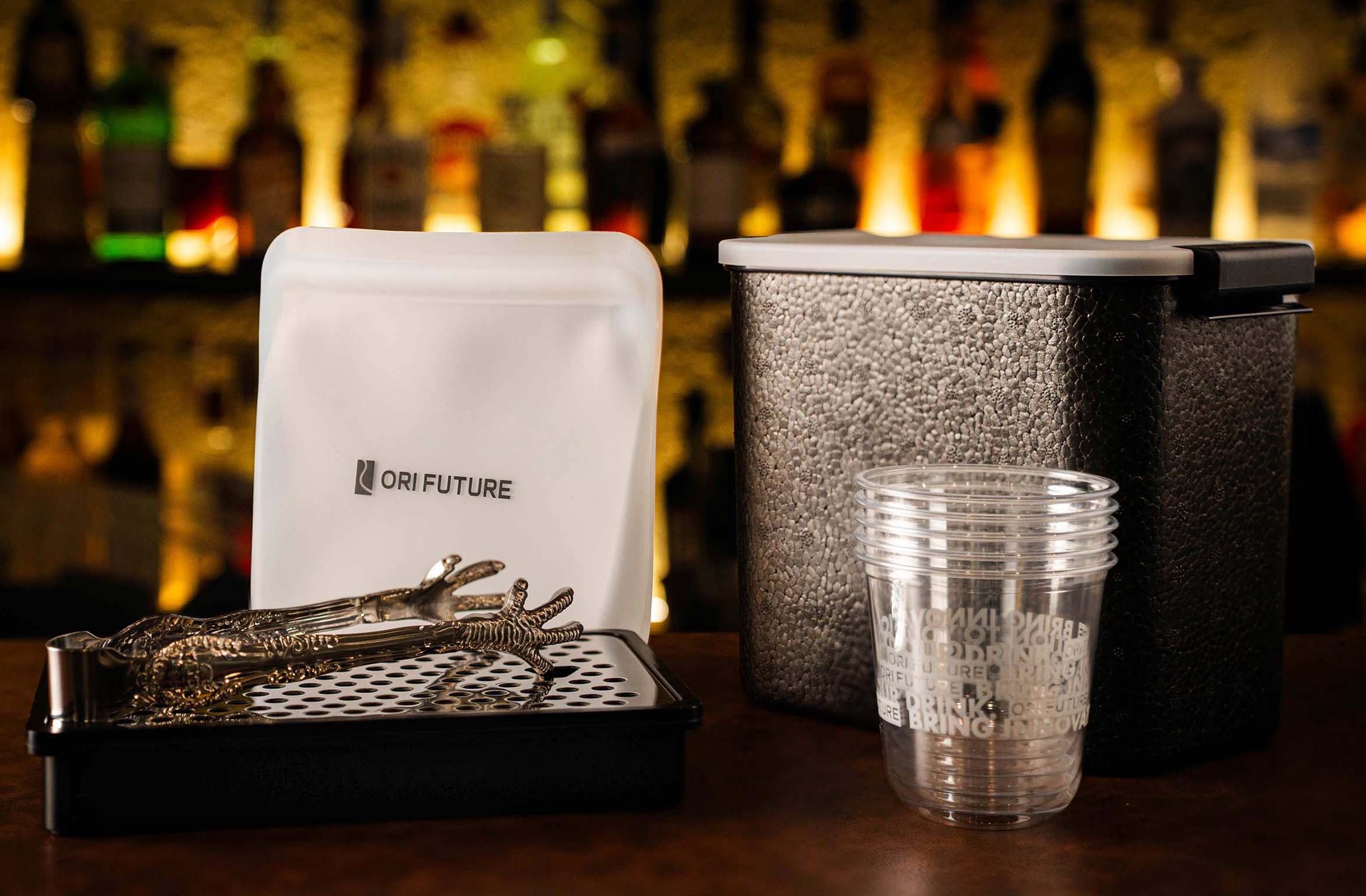
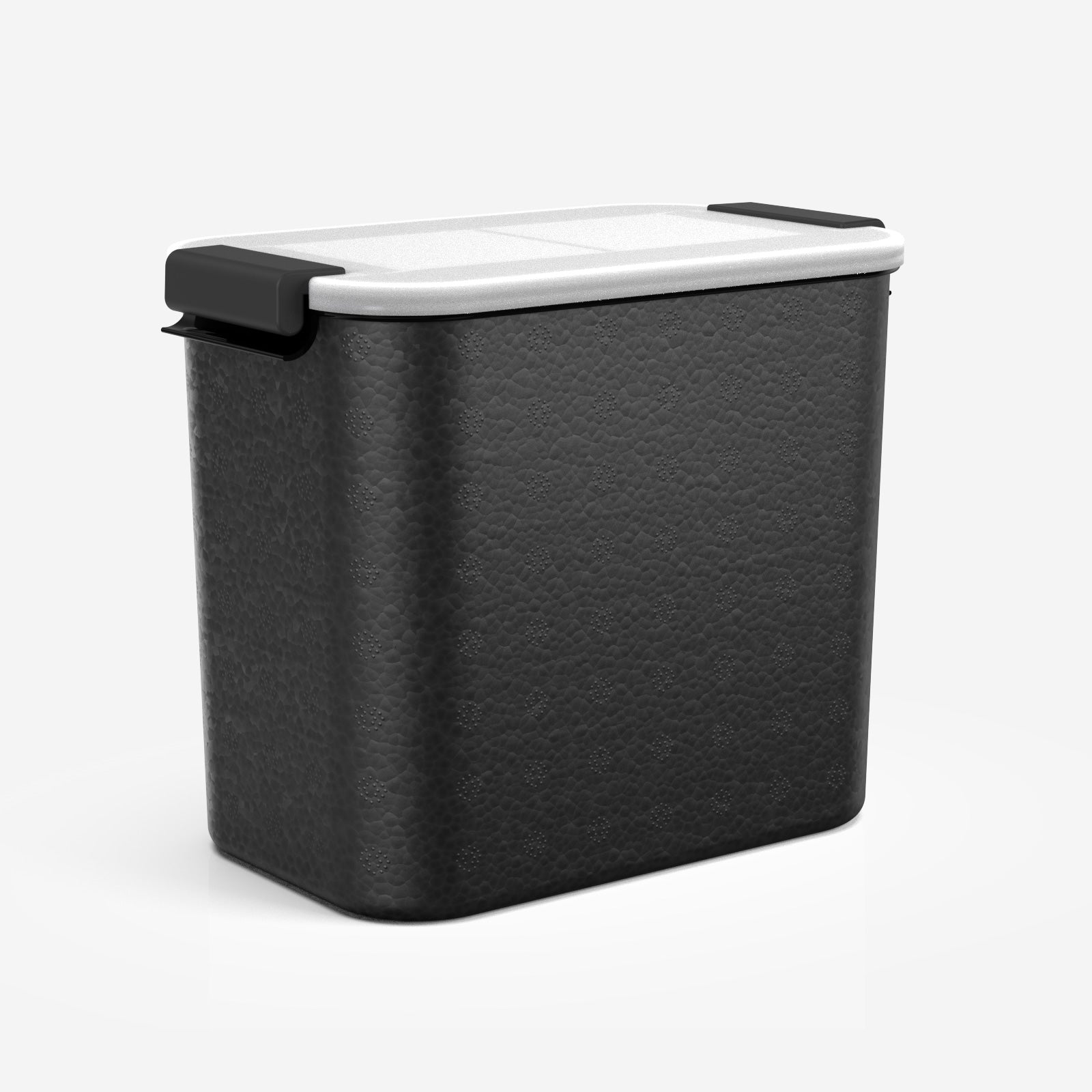
The primary reason how restaurants get their ice so clear is through a technique called directional freezing. This method forces the water to freeze from only one direction, typically from the top down. By heavily insulating the bottom and sides of a water vessel, the freezing process is controlled. As the pure ice crystals form at the top and slowly grow downwards, all the trapped air and dissolved solids are continuously pushed into the liquid water below. In professional settings, large insulated coolers are placed in deep freezers. The top layer of ice freezes perfectly clear, while the bottom unfrozen section containing all the impurities is simply discarded before it can freeze. We recommend utilizing directional freezing principles even in small-scale setups if you want to replicate how restaurants get their ice so clear.
2. High-Volume Commercial Ice Machines

While artisanal cocktail bars often use the insulated cooler method to carve massive blocks by hand, high-volume restaurants rely on highly specialized industrial machinery. When investigating how restaurants get their ice so clear on a massive scale, we look to continuous-flow commercial ice makers. These machines do not use static trays. Instead, they operate by constantly circulating a stream of water over a refrigerated, sub-zero metal plate or grid.
Because pure water freezes at a slightly higher temperature than water heavily laden with minerals and dissolved gases, the pure water molecules instantly bond to the freezing metal plate. The continuous flow of the remaining water actively washes away the rejected impurities, preventing them from freezing into the cube. Layer by layer, a perfectly transparent sheet of ice is built. Once the sheet reaches the desired thickness, the machine triggers a brief harvest cycle, slightly warming the plate to release the clear ice, which is then cut into uniform cubes. This mechanical imitation of a freezing river is a foundational pillar of how restaurants get their ice so clear effortlessly day after day.
3. Strict Temperature and Agitation Control
Another crucial factor explaining how restaurants get their ice so clear is the precise control of the freezing environment. Standard residential freezers are designed for rapid freezing to safely preserve food, typically operating around 0 degrees Fahrenheit or lower. While fast freezing is excellent for food safety, it is catastrophic for ice clarity. Rapid freezing traps air bubbles before they have a chance to escape to the surface, resulting in opaque, fragile ice.
Professional establishments understand that patience is a virtue in ice production. Many artisanal ice programs utilize dedicated freezers set to a much warmer temperature, often hovering just below the freezing point at around 28 to 30 degrees Fahrenheit. This slow freezing process allows dissolved oxygen ample time to rise and escape the water matrix before crystallization locks it in place. Furthermore, some high-end commercial machines use sonic agitation or physical paddles to gently vibrate the water as it freezes, literally shaking the tiny air bubbles out of the forming ice. From our experience at Ori Future, attempting to rush the thermal transition of water will always compromise clarity. Controlling the ambient temperature is a non-negotiable aspect of how restaurants get their ice so clear.
4. Advanced Reverse Osmosis Water Filtration
There is a persistent myth among home bartenders that simply boiling tap water before freezing it is the ultimate secret to clear ice. While boiling does remove some dissolved oxygen, it actually concentrates the dissolved minerals (like calcium and magnesium) as some water evaporates. Therefore, boiling alone does not explain how restaurants get their ice so clear. The true secret lies in the baseline purity of the water itself.
Top-tier hospitality venues utilize advanced Reverse Osmosis (RO) filtration systems. These industrial filters strip the water of virtually all Total Dissolved Solids (TDS), heavy metals, chlorine, and sediment. When you begin the freezing process with water that is chemically pure, there are drastically fewer impurities to be trapped within the ice matrix in the first place. We recommend installing a high-quality RO system or using distilled water if you are serious about achieving professional-grade transparency. When you combine perfectly pure water with the directional freezing technique, the results are astonishing. This dual-pronged approach is precisely how restaurants get their ice so clear and ensure that their ice imparts absolutely zero unwanted flavors into a carefully balanced cocktail.
5. Precision Shaping with Advanced Ice Presses
Once a professional bar has successfully created a massive, perfectly clear block of ice using the techniques described above, the final challenge is presentation. Serving a jagged, uneven chunk of clear ice does not reflect the sophistication of a high-end beverage program. The final step in mastering how restaurants get their ice so clear and beautiful is the precision shaping of that raw block into flawless geometric forms. This is where advanced thermal technology bridges the gap between raw ice and mixology art.
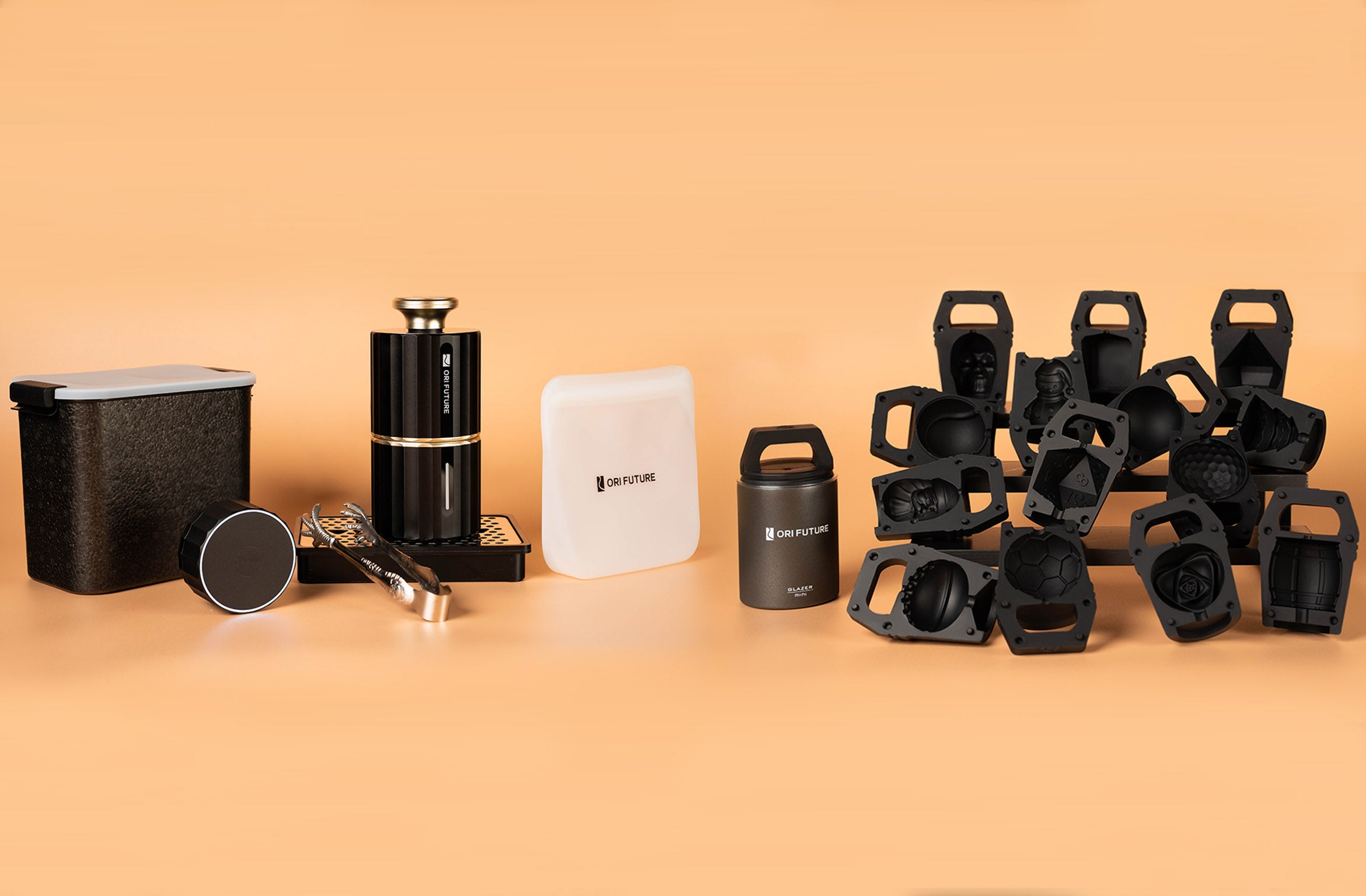
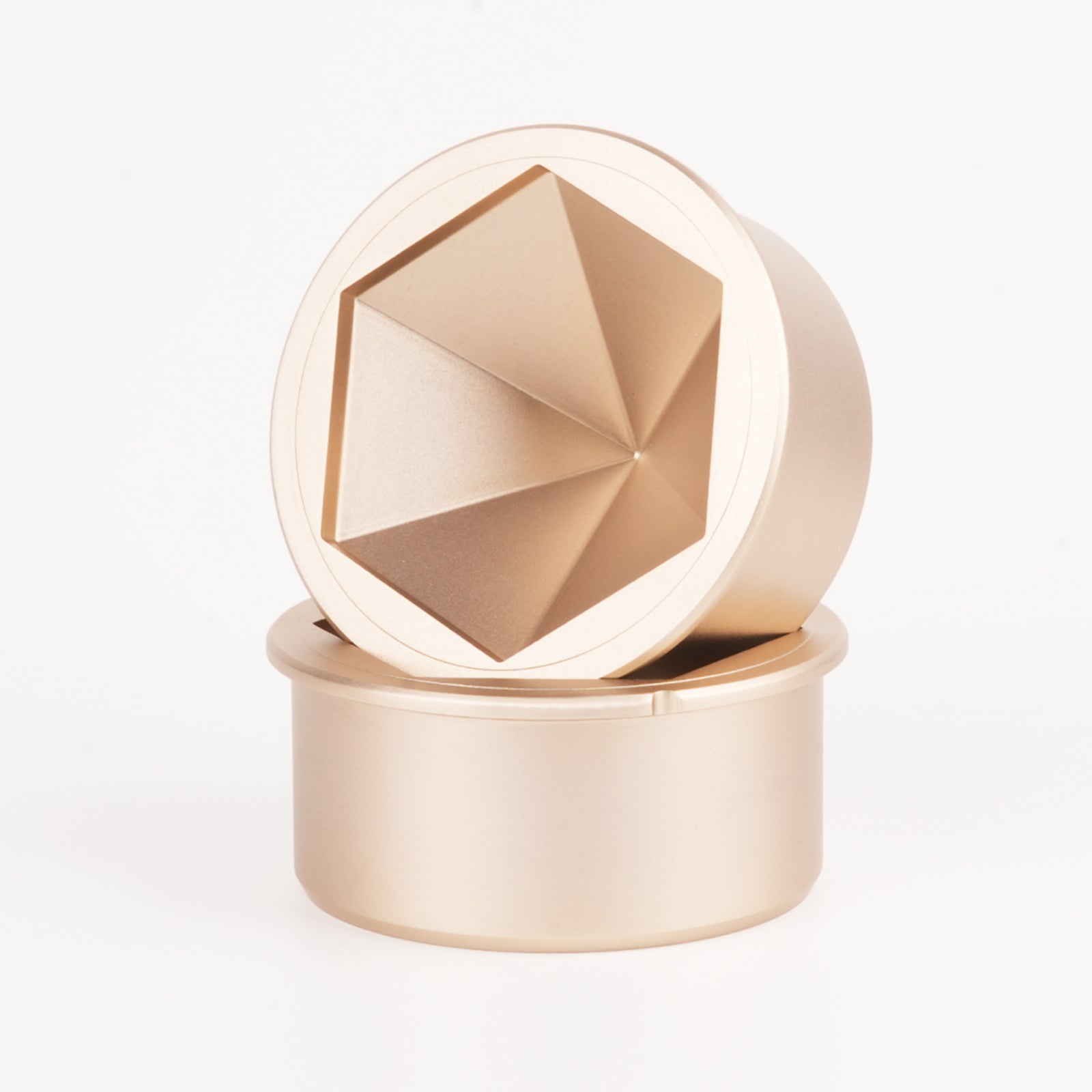
At Ori Future, we recognized the need for a rapid, efficient, and visually stunning method to shape clear ice. This led to the engineering of the GLAZER Press whiskey ice ball machine, recognized as the most advanced ICE Press in the world. Traditional gravity-fed aluminum presses are slow and lose their thermal energy quickly. We recommend the GLAZER Press because it utilizes a 600 W active heating pulse system that maintains an optimal 100 degrees Fahrenheit, allowing for back-to-back pressing without waiting for the unit to recover its temperature. By placing a rough, clear ice block into the GLAZER Press, the heated plates gently and perfectly melt the ice into a flawless shape in just two minutes, leaving the glass-like clarity completely intact.
Summary Table: Professional vs. Standard Ice
To summarize how restaurants get their ice so clear compared to standard home methods, review the comparison table below.
| Process Element | Standard Home Method | Professional Restaurant Method |
|---|---|---|
| Freezing Direction | Outside-in (traps impurities in center) | Directional Top-down (pushes impurities away) |
| Water Quality | Standard Tap Water (high TDS) | Reverse Osmosis / Distilled (zero TDS) |
| Freezing Speed | Rapid (traps oxygen bubbles) | Slow / Temperature Controlled (releases gases) |
| Final Shaping | Plastic Molds (leaves seams and cloudy cores) | Thermal Shaping / The GLAZER Press |
The GLAZER Press Whiskey Ice Ball Machine

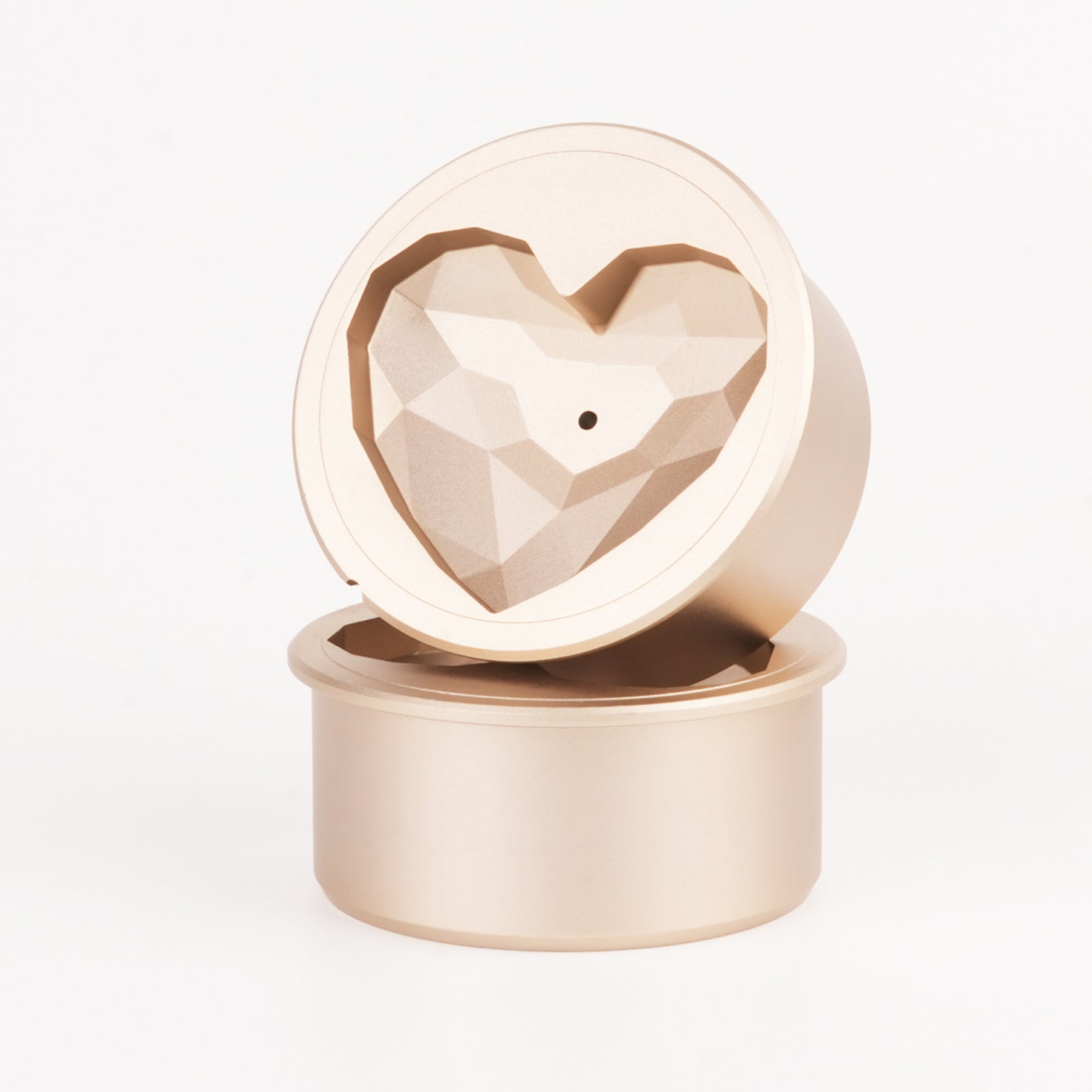
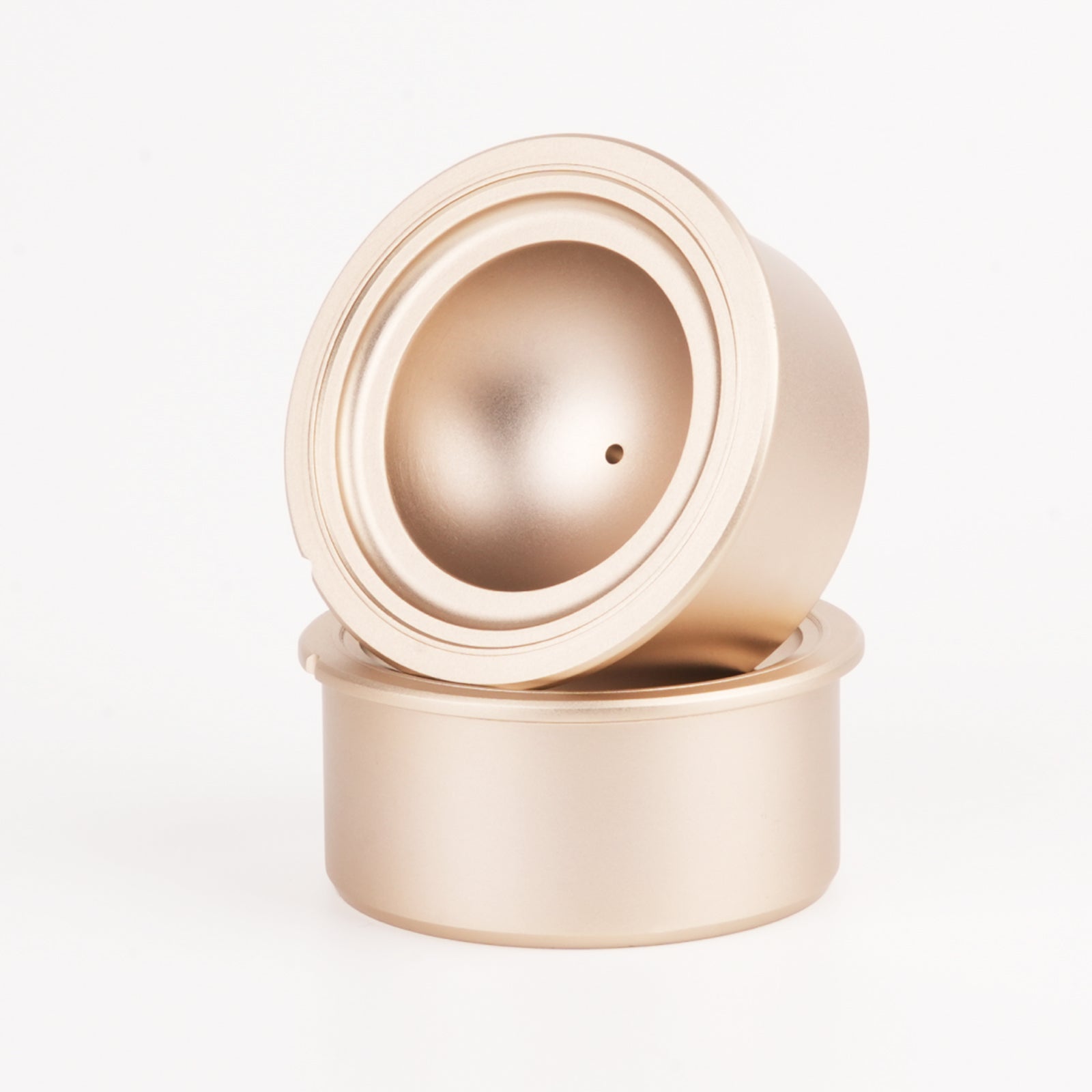
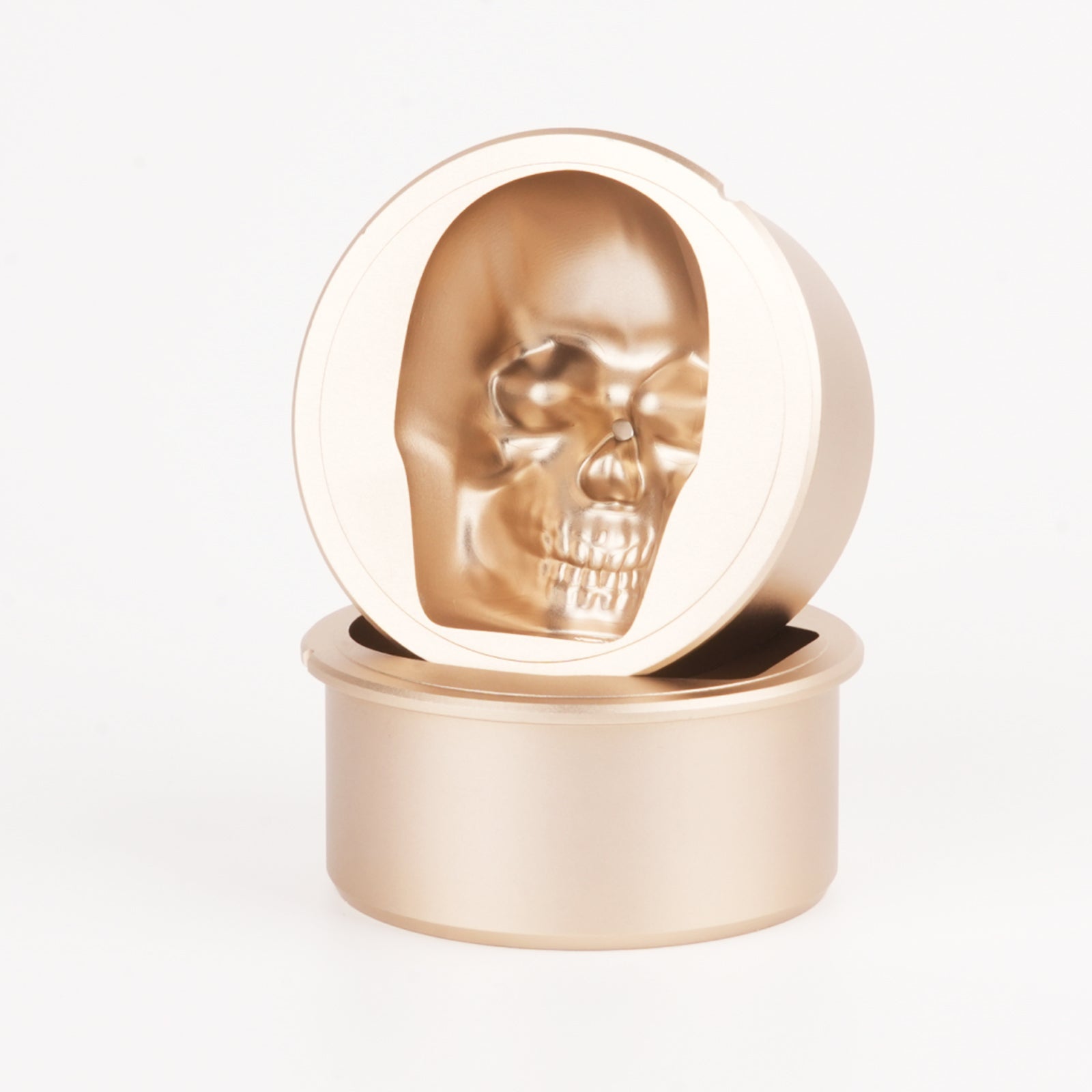
Understanding how restaurants get their ice so clear is only half the battle; serving it with impeccable style is the ultimate goal. The GLAZER Press from Ori Future is designed for both high-volume hospitality venues and dedicated home enthusiasts. With its magnetic, interchangeable inserts, you are not limited to just spheres; you can instantly switch to Skull, Diamond, Heart, or Saturn shapes to elevate your presentation.
| GLAZER Press Specifications | Details |
|---|---|
| Product Name | GLAZER Press whiskey ice ball machine | The Most Advanced ICE Press in the World |
| Color | Black |
| Product Size | 6 x 6 x 11 inches (16 x 16 x 28 cm) |
| Product Weight | ~4.4 pounds (~2 kg) - Highly Portable |
| Power | 100~120 V / 220~240 V | 600 W |
| Heating Pulse Temp. | 100 degrees F (37.8 degrees C) |
| Inserts Size & Weight | 3.2 x 3.2 x 1.6 inches (8 x 8 x 4 cm) | 0.9~1.5 pounds (400~700 grams) |
| Operating Ambient Temp. | 60 degrees to 86 degrees F (15 degrees to 30 degrees C) |
| Performance | Back to back Pressing: Yes | Pressing Time: 2 mins per round |
| Versatility | Magnetic inserts: Yes | Change Inserts: Skull, Diamond, Heart, Saturn, Sphere... |
Frequently Asked Questions (FAQs)
While boiling water removes some dissolved gases, it does not remove dissolved minerals. In fact, boiling concentrates minerals as water evaporates. To replicate how restaurants get their ice so clear, you must use directional freezing to force both trapped air and minerals out of the forming ice crystal structure.
Standard aluminum presses rely entirely on ambient room temperature and gravity to melt the ice, which makes them extremely slow and incapable of back-to-back use. The GLAZER Press utilizes a 600 W active heating pulse to maintain a constant 100 degrees F, allowing it to shape ice flawlessly in just two minutes, repeatedly. This efficiency is critical for professional bars matching how restaurants get their ice so clear and perfectly shaped.
Yes. You can mimic how restaurants get their ice so clear by using a small, hard-sided insulated cooler filled with filtered water placed inside your home freezer. Leave the lid off the cooler so the cold air only hits the top of the water. This forces directional freezing. After 24 hours, you will have a block of ice that is clear on top and cloudy on the bottom. Simply chip away the cloudy bottom layer.
References
1. The Science of Mixology: A Guide to Advanced Beverage Presentation and Temperature Control.
3. Hospitality Equipment Standards Board. Efficacy of Continuous Flow and Reverse Osmosis Systems in Commercial Ice Production.