



Perché la pressa per il ghiaccio è così costosa? Un'analisi esperta degli articoli di lusso per il bar
Nel mondo degli alcolici di alta gamma e della mixology, pochi strumenti attirano tanta attenzione — e stupore per il prezzo — quanto la pressa per il ghiaccio. Per i non addetti ai lavori, il prezzo di questi dispositivi sembra spesso sproporzionato rispetto alla loro funzione. Dopotutto, è solo un dispositivo per modellare l'acqua ghiacciata. Tuttavia, come professionisti del settore che hanno testato innumerevoli strumenti da bar, sappiamo che la realtà è molto più complessa. La domanda su perché la pressa per ghiaccio sia così costosa si addentra nella fisica della conducibilità termica, nel costo dell'ingegneria di precisione e nel valore della densità dei materiali.

Dalla nostra esperienza, una pressa per il ghiaccio non è semplicemente uno stampo; è un motore termodinamico. A differenza dei vassoi in silicone che congelano l'acqua in una forma, una pressa utilizza la gravità e la massa termica per rimodellare un blocco di ghiaccio solido in una sfera, un diamante o un poligono perfetti. Questo processo richiede materiali e standard di produzione che superano di gran lunga gli utensili da cucina tradizionali. In questo articolo, analizzeremo i fattori di costo specifici alla base di questi strumenti di lusso e spiegheremo perché i sistemi avanzati, come la Pressa GLAZER, giustificano il loro investimento per il vero intenditore.
- 1. La Fisica della Massa Termica: Pagare per il Peso
- 2. Costi dei Materiali: Rame, Alluminio e Acciaio
- 3. Lavorazione di Precisione: Il Costo della Perfezione
- 4. Tecnologia Avanzata: La Rivoluzione del Nucleo Riscaldato
- 5. Il Vantaggio della Pressa GLAZER: Versatilità e Velocità
- 6. Analisi del ROI: Vale la Spesa?
- 7. Tabella Riepilogativa di Confronto
- 8. Domande Frequenti
- 9. Riferimenti
1. La Fisica della Massa Termica: Pagare per il Peso
Per capire perché la pressa per il ghiaccio è così costosa, bisogna prima capire come funziona. Una pressa per il ghiaccio a gravità non utilizza elettricità (nella sua forma tradizionale) o lame. Si basa su un principio chiamato conducibilità termica. Il metallo della pressa assorbe il freddo dal ghiaccio, sciogliendo gli strati superficiali, mentre il peso della metà superiore spinge il dispositivo verso il basso.
Questo processo richiede massa. Una pressa leggera semplicemente non funzionerà; rimarrà sopra il blocco di ghiaccio senza scioglierlo, oppure impiegherà 10 minuti per formare una singola sfera. Le presse di livello professionale sono pesanti, spesso tra i 4,5 e i 9 kg. La spedizione e la movimentazione di pesanti blocchi di metallo solido aumentano intrinsecamente i costi logistici, ma, cosa più importante, si paga per l'enorme volume di materia prima necessaria per creare quella massa.
Consigliamo di cercare presse che abbiano un peso considerevole. Se un produttore cerca di vendervi una pressa in alluminio leggero a un prezzo elevato, state pagando per il marketing, non per le prestazioni. Il vero valore risiede nella densità.
2. Costi dei Materiali: Rame, Alluminio e Acciaio
La scelta del metallo è il fattore più importante che influenza il prezzo. I produttori utilizzano tipicamente tre materiali principali, ognuno con un profilo di costo distinto:
- Alluminio di grado aeronautico: Il materiale più comune per le presse di fascia alta. Offre un buon equilibrio tra conducibilità termica e durata. Tuttavia, i prezzi dell'alluminio grezzo fluttuano e la creazione di un blocco solido di queste dimensioni è costosa.
- Rame: Lo standard aureo per la conducibilità termica. Il rame trasferisce il calore più velocemente dell'alluminio, consentendo una pressatura più rapida. Tuttavia, il rame è significativamente più costoso come materia prima e nel tempo forma una patina, che richiede manutenzione.
- Acciaio inossidabile: Sebbene resistente, l'acciaio ha una conducibilità termica inferiore, rendendolo una scelta inadeguata per le presse a gravità, a meno che non sia attivamente riscaldato.
Quando chiedete perché la pressa per il ghiaccio è così costosa, spesso vi state interrogando sul tasso di mercato attuale dei metalli non ferrosi. Un blocco solido di alluminio anodizzato o rame lavorato con tolleranze strette è un componente industriale di alta qualità, non solo un accessorio da cucina.
3. Lavorazione di Precisione: Il Costo della Perfezione
La differenza tra una pressa da 100 dollari e una da 1.000 dollari è spesso invisibile a occhio nudo finché non la si usa. Tutto si riduce alle tolleranze di lavorazione Computer Numerical Control (CNC). Affinché una pressa per il ghiaccio crei una sfera perfetta, le due metà (superiore e inferiore) devono combaciare perfettamente.
Se la lavorazione è errata anche solo di una frazione di millimetro, accadono due cose:
- La cucitura: Si ottiene una cresta visibile e sgradevole attorno all'equatore della sfera di ghiaccio.
- L'inceppamento: La pressa si muove in modo errato, causando attrito che interrompe il processo di fusione a metà.
Dalla nostra esperienza, ottenere una precisione "a tolleranza zero" richiede macchinari costosi e un rigoroso controllo qualità. Le imitazioni economiche spesso si bloccano o traballano, rendendole inutili. Si paga per l'ingegneria che garantisce una discesa fluida e verticale ogni singola volta.
4. Tecnologia Avanzata: La Rivoluzione del Nucleo Riscaldato
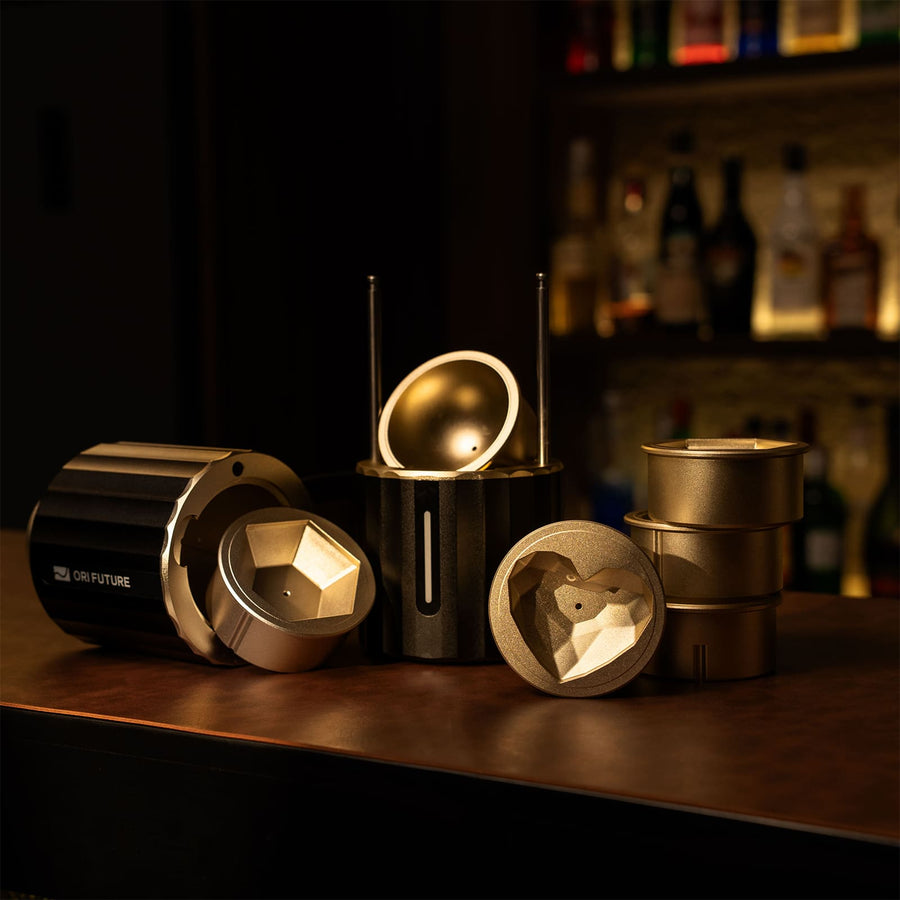
Le presse a gravità tradizionali hanno un difetto importante: si raffreddano. Dopo aver pressato una o due sfere, il metallo assorbe così tanto freddo dal ghiaccio da perdere il suo vantaggio termico. Bisogna quindi far scorrere la pressa sotto acqua calda per "ricaricarla", il che è disordinato e lento.
Questa limitazione ha spinto lo sviluppo della prossima generazione di presse per il ghiaccio, come la macchina per sfere di ghiaccio da whisky GLAZER Press. Questi dispositivi integrano elementi riscaldanti attivi, il che aumenta significativamente il costo di produzione. Incorporare elementi riscaldanti da 600 W, sensori di sicurezza e regolazione della potenza in un dispositivo in metallo solido richiede ingegneria elettrica avanzata.
Quando si valuta perché la pressa per il ghiaccio è così costosa in questa categoria, si paga per la comodità della produzione continua. Una pressa attiva non ha bisogno di essere riscaldata sotto un rubinetto; mantiene una temperatura di impulso di riscaldamento di circa 37,8°C (100°F), consentendo la produzione in sequenza senza tempi morti.
5. Il Vantaggio della Pressa GLAZER: Versatilità e Velocità
Consideriamo la Pressa GLAZER un punto di riferimento nel mercato moderno perché affronta i due maggiori problemi delle presse tradizionali: velocità e versatilità. Una pressa standard crea una forma (di solito una sfera). Se si desidera un diamante o un cubo, è necessario acquistare una pressa completamente nuova, il che è economicamente inefficiente.
Design Modulare ed Efficienza
La pressa GLAZER utilizza inserti magnetici del peso compreso tra 0,4 e 0,7 kg. Questa modularità è rivoluzionaria. Invece di acquistare cinque diverse macchine da 4,5 kg, si acquista una sola macchina e si sostituiscono gli inserti leggeri. Sebbene l'investimento iniziale sia superiore a quello di un singolo stampo in silicone, è decisamente più economico rispetto all'acquisto di cinque presse metalliche autonome.
Metriche delle Prestazioni
Con una potenza di 600 W, la pressa GLAZER crea splendide forme di ghiaccio in soli 2 minuti. Questa velocità è fondamentale per i bar commerciali o per l'intrattenimento domestico di alto livello. La capacità di produrre più forme in sequenza senza ritardi termici giustifica il prezzo elevato per gli utenti che apprezzano l'efficienza.
6. Analisi del ROI: Ne vale la pena?
La domanda rimane: perché la pressa per il ghiaccio è così costosa rispetto a un vassoio di silicone da 15 dollari? La risposta risiede nella qualità del ghiaccio e nel tasso di diluizione. Una sfera di ghiaccio pressata ha un rapporto superficie/volume inferiore rispetto ai cubetti standard e, poiché è compressa da un blocco trasparente, è più densa.
Il ROI per gli intenditori:
- Controllo della diluizione: Il ghiaccio pressato si scioglie più lentamente. Se si beve una bottiglia di whisky da 200 dollari, non si vuole che si annacqui in 5 minuti. La pressa preserva l'integrità dello spirito.
- Estetica: Il ghiaccio cristallino, perfettamente geometrico, è una presentazione di lusso che migliora l'esperienza di consumo.
- Longevità: Una pressa in metallo solido come la GLAZER è praticamente indistruttibile. È un acquisto per la vita, mentre gli stampi in silicone si degradano, assorbono gli odori del congelatore e si rompono nel tempo.
7. Tabella Riepilogativa di Confronto
Per visualizzare la proposta di valore, abbiamo confrontato i tre livelli di creazione del ghiaccio di seguito.
| Caratteristica | Stampo in Silicone | Pressa a Gravità Standard | Pressa Riscaldata GLAZER |
|---|---|---|---|
| Fascia di Prezzo | $10 - $30 | $150 - $400 | Premium (Investimento Elevato) |
| Tempo di Produzione | 24 Ore (Congelamento) | 2-5 Min (più tempo di riscaldamento) | 2 Min (Continuo) |
| Qualità della Forma | Cuciture visibili, spesso torbida | Senza cuciture, trasparente | Senza cuciture, alta trasparenza |
| Versatilità | Una forma per stampo | Una forma per pressa | Inserti Intercambiabili (5+ Forme) |
| Tecnologia | Congelamento Passivo | Massa Termica Passiva | Riscaldamento Attivo (600W) |
| Durabilità | Bassa (Degrada) | Alta (Metallo) | Alta (Metallo + Tecnologia) |
8. Domande Frequenti
Le presse per il ghiaccio producono davvero ghiaccio trasparente?
Una pressa per il ghiaccio di per sé non rende il ghiaccio trasparente; ne modella la forma. Per ottenere sfere trasparenti, è necessario partire da un blocco di ghiaccio trasparente (solitamente realizzato con congelamento direzionale). La pressa poi modella quel blocco trasparente in una sfera senza introdurre bolle d'aria.
Perché la pressa GLAZER è migliore di una pressa in rame?
Sebbene il rame sia un ottimo conduttore, è passivo. Una pressa in rame alla fine si raffredderà e smetterà di funzionare in modo efficiente finché non si riscalderà di nuovo. La pressa GLAZER utilizza elementi riscaldanti attivi (600W), garantendo che la prima sfera e la ventesima sfera siano prodotte alla stessa velocità, indipendentemente dalla temperatura ambiente.
Il peso della pressa è importante?
Sì. Il peso fornisce la forza gravitazionale necessaria per spingere il metallo attraverso il ghiaccio mentre si scioglie. Se una pressa è troppo leggera, è necessario spingerla manualmente verso il basso, il che può essere pericoloso e portare a forme irregolari. La pressa GLAZER pesa circa 2 kg più il peso degli inserti, fornendo una forza sufficiente per il funzionamento automatico.
Perché gli inserti sono venduti separatamente o aggiungono al costo?
Gli inserti sono componenti metallici solidi lavorati con precisione. Sono essenzialmente stampi ricavati da blocchi di alluminio. Il costo riflette la materia prima e il tempo di lavorazione CNC richiesto per creare le intricate geometrie di diamanti, teschi o sfere perfette.
