


What Do Bartenders Use to Crush Ice? A Masterclass in Mixology Ice Preparation
Ice is the fundamental backbone of modern mixology. It is not merely a cooling agent; it is a structural ingredient that dictates the dilution, texture, and ultimate flavor profile of a cocktail. When guests sit at a premium cocktail bar, they are often mesmerized by the rhythmic sound of ice preparation. A common question arises from enthusiasts looking to elevate their home bar setups: what do bartenders use to crush ice? The answer spans from traditional, centuries-old canvas bags to highly sophisticated mechanical systems.

From our experience at GLAZER Press, understanding the thermodynamics of ice is what separates amateur drink-making from professional mixology. While knowing what do bartenders use to crush ice is essential for tropical and julep-style beverages, mastering large-format ice is equally critical for premium spirits. As the creators of the world's most advanced ice press, we provide authoritative insights into every facet of ice management.
In this comprehensive guide, we will explore exactly what do bartenders use to crush ice, the physics behind different ice textures, and how the industry has evolved from crude crushing methods to the precision of automated heated presses. Whether you are building a commercial beverage program or perfecting your home mixology skills, this analysis will equip you with professional-grade knowledge.
Table of Contents
- 1. The Thermodynamic Role of Crushed Ice in Cocktails
- 2. Manual Tools: What Do Bartenders Use to Crush Ice?
- 3. Commercial and Mechanical Ice Crushing Solutions
- 4. The Evolution: From Crushed Ice to Precision Sculpting
- 5. The GLAZER Press Advantage
- 6. Best Practices for Professional Ice Management
- 7. Summary Table: Ice Preparation Methods
- 8. Frequently Asked Questions (FAQs)
- 9. Industry References
1. The Thermodynamic Role of Crushed Ice in Cocktails
Before examining the specific tools that answer what do bartenders use to crush ice, we must understand why crushed ice is necessary. The core principle of cocktail preparation is the relationship between chilling and dilution. Crushed ice possesses a massive surface-to-volume ratio compared to a solid cube. This immense surface area causes the ice to melt rapidly, which in turn chills the surrounding liquid at an accelerated rate.
We recommend using crushed ice exclusively for cocktails that possess strong, highly concentrated flavor profiles involving heavy syrups, high-proof rums, or fresh citrus. Classic examples include the Mint Julep, the Moscow Mule, and Tiki cocktails like the Mai Tai. In these drinks, rapid dilution is not a flaw; it is an intended mechanical process that balances the cocktail over time. However, for a neat pour of a fine single malt or a classic Old Fashioned, this rapid dilution would ruin the spirit, necessitating a completely different approach to ice architecture.
2. Manual Tools: What Do Bartenders Use to Crush Ice?
For purists and high-end craft cocktail bars, manual ice crushing remains the preferred method. The tactile nature of manual crushing allows the bartender to control the exact consistency of the ice, preventing it from turning into an unusable, watery slush. So, exactly what do bartenders use to crush ice by hand?
The Lewis Bag and Wooden Mallet
The most iconic answer to what do bartenders use to crush ice is the Lewis bag paired with a heavy wooden mallet. A Lewis bag is a heavy-duty canvas sack designed specifically for this task. The bartender places cubed ice into the bag, folds it over, and repeatedly strikes it with a hardwood mallet, typically crafted from beech or hickory.
From our experience, the genius of the Lewis bag lies in its material. As the ice shatters, it releases kinetic energy and water. The heavy canvas actively absorbs this excess moisture, wicking it away from the ice shards. The result is "dry" crushed ice that will not prematurely dilute the cocktail upon entry. Plastic bags or metal containers cannot replicate this wicking effect, often leaving the bartender with a puddle of water.
The Muddler and Shaker Tin
In a pinch, or during high-volume service where a Lewis bag is unavailable, you might wonder what do bartenders use to crush ice efficiently? Many professionals will place three to four large ice cubes into the base of a heavy stainless steel Boston shaker tin and strike them forcefully with the flat end of a dense wooden or polycarbonate muddler. While this method lacks the moisture-wicking properties of the canvas bag, it is a rapid technique for generating cracked ice for shaken cocktails.
3. Commercial and Mechanical Ice Crushing Solutions
In high-volume establishments, manual crushing is too labor-intensive. When analyzing what do bartenders use to crush ice in a bustling nightclub or massive hotel bar, the answer shifts to mechanical engineering.
Rotary Hand-Crank Crushers
A step up from the mallet is the manual rotary ice crusher. This device features a metal hopper fitted with heavy-duty stainless steel teeth. As the bartender turns the crank, the teeth grab and fracture the ice cubes, dropping the shards into a collection bin below. We recommend these for home bars or smaller establishments, as they provide uniform consistency without requiring electricity.
Commercial Electric Ice Crushers and Blenders
For ultimate speed, electric ice crushers are utilized. Machines manufactured by brands like Waring or Scotsman are capable of processing pounds of ice per minute. Additionally, heavy-duty commercial blenders can be pulsed to fracture ice. However, from our experience, electric blades generate significant heat through friction, leading to "wet" crushed ice. Professional bartenders must meticulously drain the ice before adding it to a premium cocktail.
4. The Evolution: From Crushed Ice to Precision Sculpting
While understanding what do bartenders use to crush ice is vital for specific recipes, the modern mixology landscape has witnessed a dramatic shift toward the opposite end of the thermodynamic spectrum: minimal dilution. For sipping premium bourbons, scotches, and agave spirits, crushed ice is detrimental. The goal is to chill the spirit without watering down its complex flavor notes.
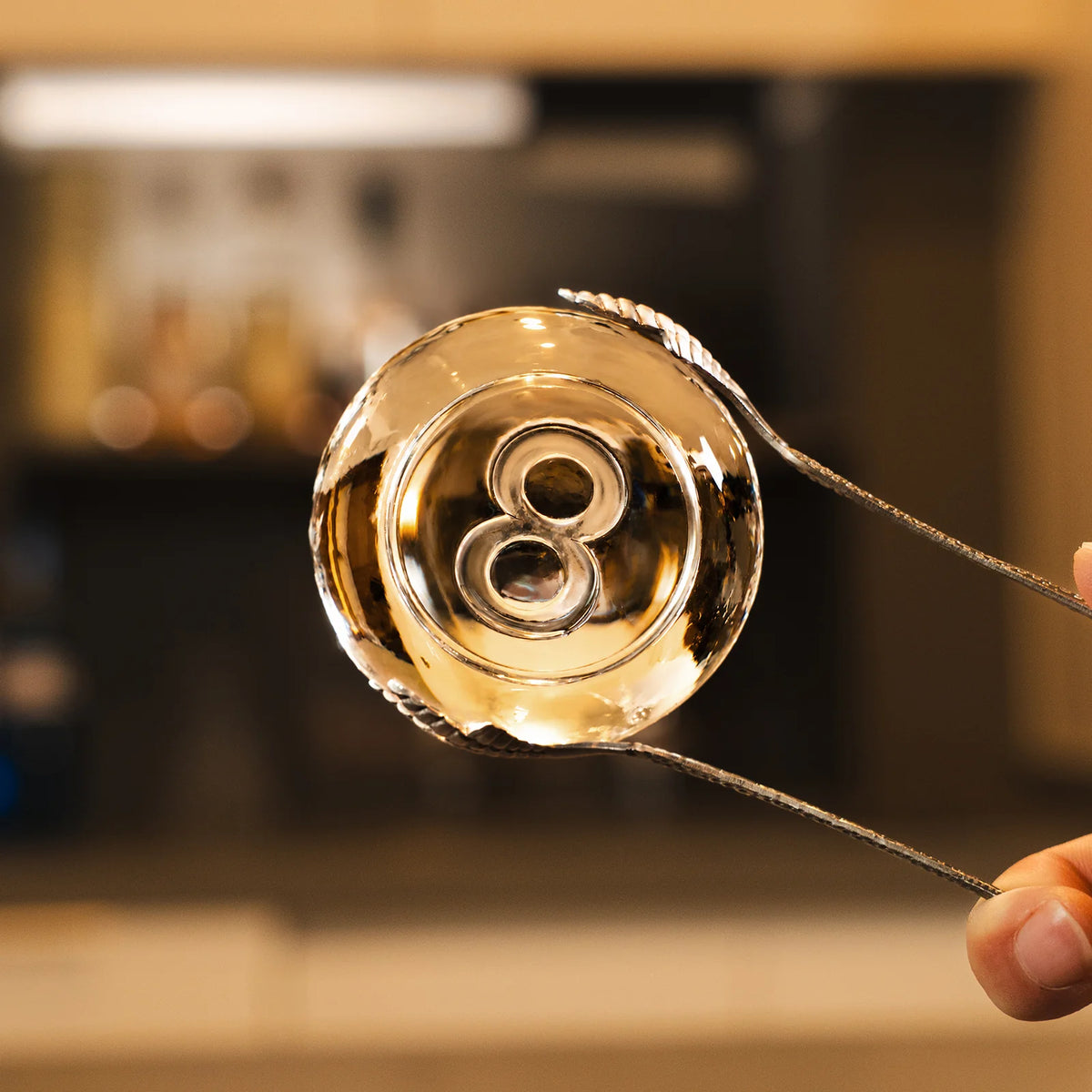
This is where large-format, perfectly spherical ice becomes mandatory. A sphere has the lowest surface-area-to-volume ratio of any geometric shape, ensuring the slowest possible melt rate. For an in-depth analysis of this phenomenon, we highly encourage reading our comprehensive science guide on do spherical ice cubes melt slower, and further exploring are spherical ice cubes better for professional spirit service.
5. The GLAZER Press Advantage

To achieve this flawless spherical geometry, industry leaders do not use silicone molds; they use gravity-fed, thermally conductive ice presses. As the manufacturer of the GLAZER Press whiskey ice ball machine, we have engineered the most advanced ICE Press in the world. We recommend abandoning slow, inconsistent silicone trays in favor of high-grade aerospace aluminum technology.
Our machine redefines efficiency. Unlike traditional ice presses that rely solely on ambient room temperature and take up to 30 minutes to recover between uses, the GLAZER Press features a 600W internal heating element with a Heating Pulse Temperature of 100 Degrees Fahrenheit (37.8 Degrees Celsius). This allows for seamless, back-to-back pressing, generating a perfect sphere every 2 minutes.
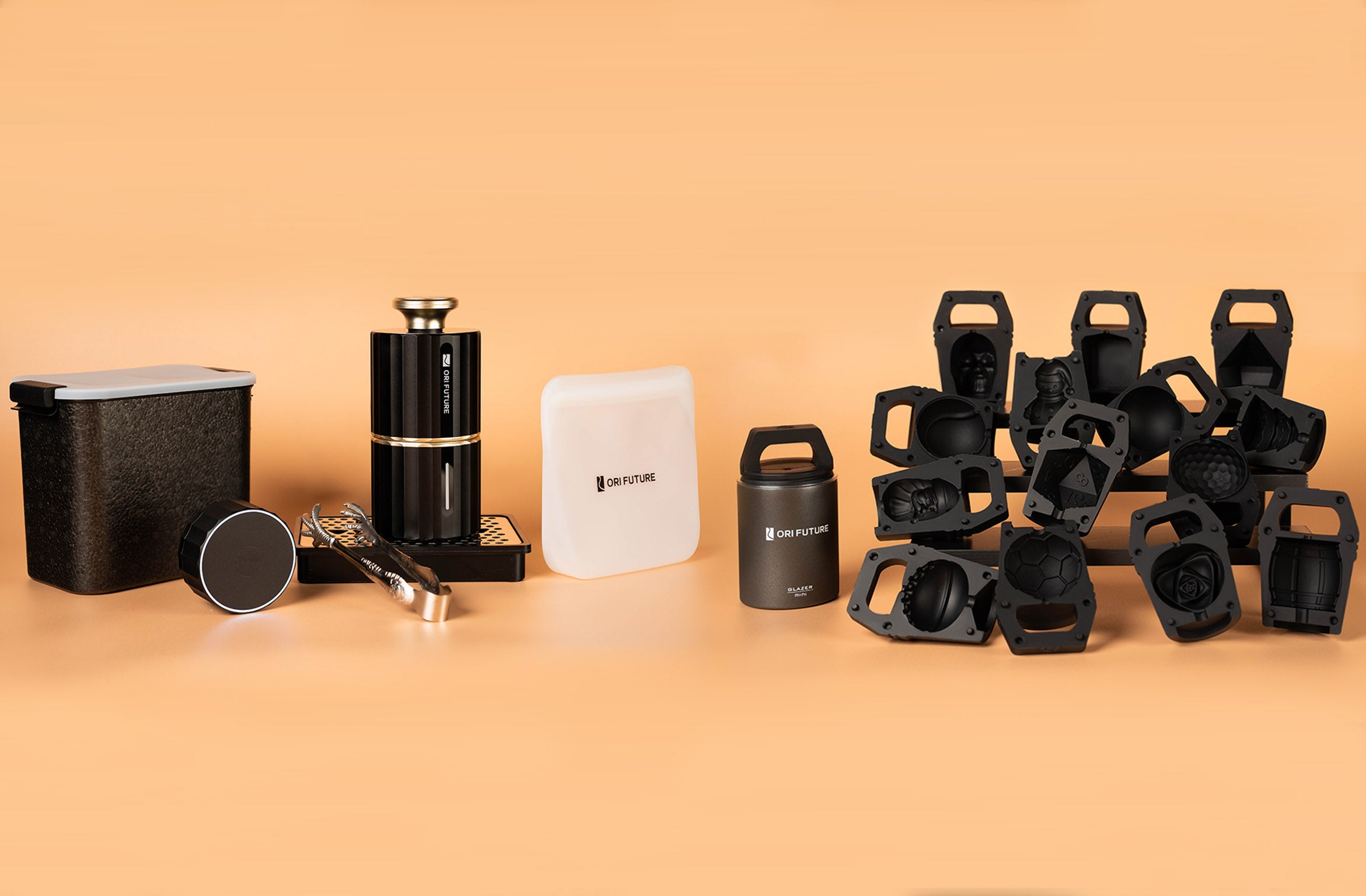
Furthermore, portability and customization are paramount. The GLAZER Press weighs only 4.4 pounds (approximately 2 kg) with dimensions of 6 by 6 by 11 inches, making it highly portable compared to competitors that weigh in excess of 10 pounds. Through our innovative magnetic insert system, bartenders can instantly change the shape of the ice from a traditional Sphere to a Skull, Diamond, Heart, or Saturn. This versatility ensures you are equipped with the best clear ice ball maker 2026 has to offer.
6. Best Practices for Professional Ice Management
Whether you are using a Lewis bag for crushed ice or the GLAZER Press for premium spheres, handling the ice correctly is critical. We recommend starting with directional freezing to ensure your ice blocks are entirely free of trapped oxygen and impurities. To master this, review our specific instructions on how to fill ice ball mold correctly.
Timing is also a crucial factor in preparation. Professionals must understand the freeze cycles of their equipment. If you are managing a high-volume weekend service, you must calculate how long ice molds take to freeze to avoid running out of inventory. Furthermore, understanding the aesthetic and functional differences between shapes is key to menu design; our analysis on round vs square ice for whiskey provides expert guidance on selecting the right presentation. By integrating these techniques, your establishment will undoubtedly feature the best bourbon ice makers 2026 standards demand.
7. Summary Table: Ice Preparation Methods
| Preparation Tool | Mechanism | Ice Texture Result | Primary Cocktail Application |
|---|---|---|---|
| Lewis Bag & Mallet | Manual crushing; canvas wicks away excess moisture. | Dry, flaky, irregular crushed ice. | Mint Juleps, Swizzles, Tiki Drinks. |
| Electric Ice Crusher | Motorized steel teeth fracture ice rapidly. | Wet, uniform crushed ice. | High-volume frozen drinks, slushies. |
| GLAZER Ice Press | Heated, 600W gravity-fed aluminum thermal conduction. | Flawless, dense, slow-melting spheres or custom shapes. | Neat Whiskey, Old Fashioneds, Premium Spirits. |
| Muddler & Tin | Manual blunt force impact. | Cracked, uneven shards. | Rapid shaking, emergency crushed ice. |
8. Frequently Asked Questions (FAQs)
Why don't bartenders just use the crushed ice setting on a refrigerator?
From our experience, refrigerator ice dispensers produce wet, rapidly melting ice chips that instantly over-dilute a cocktail. Knowing what do bartenders use to crush ice reveals that professionals rely on Lewis bags to absorb water, creating the "dry" crushed ice required for balanced mixology.
Can I use a blender instead of a Lewis bag?
While a blender can fracture ice, the high-speed friction generates heat, causing the ice to melt during the process. This results in a watery slush rather than distinct, dry crushed ice. If you must use a blender, pulse it in very short bursts and drain the ice immediately.
How does the GLAZER Press achieve back-to-back pressing in 2 minutes?
Unlike traditional presses that rely on ambient room temperature to melt the ice, the GLAZER Press utilizes a powerful 600W internal heating element. It pulses heat to a precise 100 Degrees Fahrenheit (37.8 Degrees Celsius), allowing the aerospace aluminum to recover its thermal energy instantly, enabling continuous two-minute pressing cycles.
