


Top Alcohol Machine Devices After a DUI Probation
You must pick reliable alcohol tracking devices after a DUI probation. Courts require continuous ankle monitors, car breath testers, or a portable breath analyzer. These gadgets check your Blood Alcohol Concentration (BAC) using basic breath tests (PBT) or official breath tests (EBT). Fuel-cell technology ensures exact results for mobile testing.
Device Type |
Technology |
Legal or Personal Use Case |
|---|---|---|
SCRAM Monitor |
Transdermal |
Mandated compliance |
Ignition Interlock |
Fuel-cell |
Driving privileges |
Cellular Unit |
Fuel-cell |
Voluntary alcohol monitoring |
You move from court rules to personal checking using a modern alcohol machine for safety. Approved alcohol testing tools protect everyone on the road.
Year |
Number of DUI Arrests |
Percentage of All Arrests |
|---|---|---|
2024 |
804,926 |
11% |
Key Takeaways
After a DUI, courts often order people to use special equipment like SCRAM ankle monitors or ignition interlocks.
Ignition interlocks lower repeat drunk driving arrests by 75 percent while installed.
Fuel-cell sensors give very exact BAC results and stop wrong positive tests.
Routine service every month or two ensures that breathalyzers stay precise.
Types of Alcohol Monitoring Devices
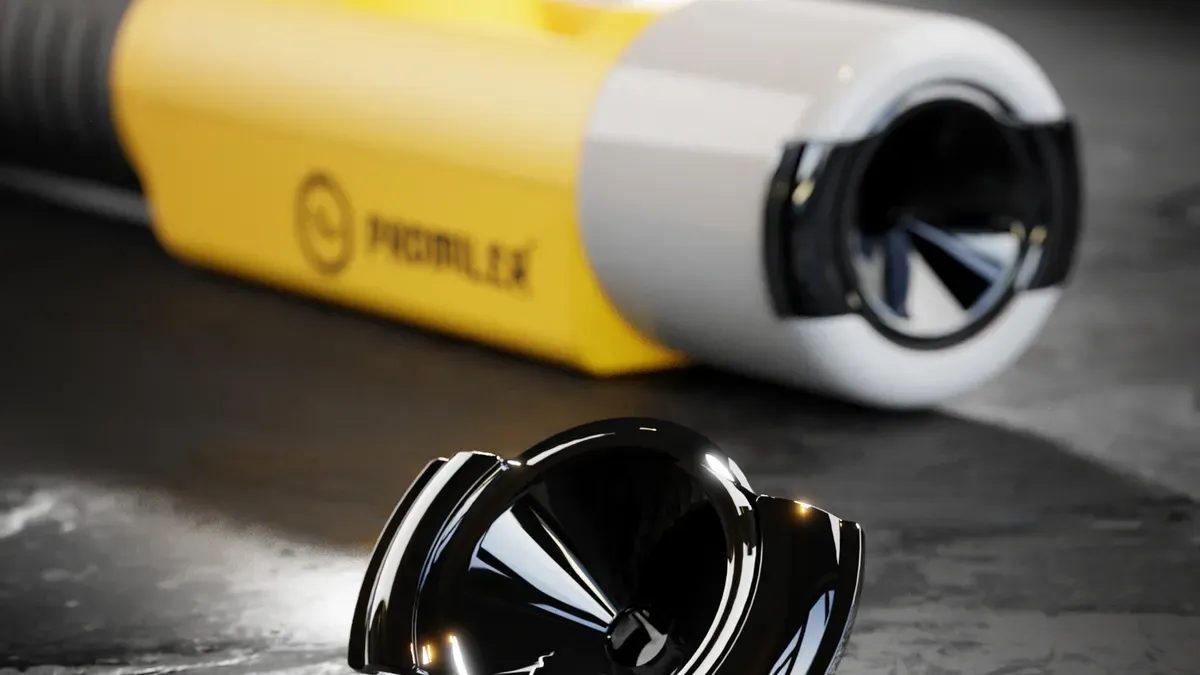
Courts often assign different alcohol monitoring devices to track sobriety after probation. You can choose handheld tools or wearable sensors based on your legal demands, budgeting constraints, and daily schedule. Understanding these advanced systems helps you transition from mandatory court orders toward voluntary alcohol monitoring successfully.
Continuous Transdermal Ankle Monitors
Wearable bracelets deliver continuous monitoring by constantly checking your sweat for traces of ethanol. Devices like scram continuous alcohol monitoring take samples every thirty minutes through your skin surface. This automated method provides round-the-clock surveillance without requiring active user participation or manual test prompting.
Metric |
Value |
Source |
|---|---|---|
False Positive Rate per 12-hour period |
0.074% |
2012 internal study |
False Positive Rate per 24-hour period |
0.14% |
Meta-analysis of literature and internal studies |
Peak BrAC ≥ 0.02 g/dL Detection Rate |
57% |
Correctly detected drinking episodes |
Self-reported Drinking Days Detection |
91% |
Verified compliance in an intervention study |
A SCRAM study reported a false positive rate of only 0.074% over a 12-hour period. Equipment malfunctions or rare medical conditions cause these very rare false alarms. Continuous alcohol monitoring devices detect ethanol secretion automatically without interrupting your daily work routine. You maintain full legal compliance easily while completing court probation requirements. Afterwards, many individuals switch to voluntary alcohol monitoring to protect their long-term recovery goals.
Portable Alcohol Monitoring Options
Handheld breath testers offer flexible solutions for daily personal accountability. You can select portable alcohol monitoring devices to complete schedule-based breath tests from any location. Compact portable alcohol monitors fit inside pockets, personal purses, or small travel bags easily. Modern alcohol monitoring services provide real-time cellular data transmission directly to probation officers or designated personal support sponsors. You can also utilize portable alcohol monitoring for voluntary alcohol monitoring after your legal court obligations end.
Sensor accuracy determines overall testing reliability across portable alcohol monitoring equipment. Fuel-cell sensors measure breath samples with high legal precision. Semiconductor sensors react to non-alcoholic household items like breath sprays or mouthwash.
Feature |
Fuel Cell Sensor |
Semiconductor Sensor |
|---|---|---|
Accuracy Range |
±0.005% BAC |
±0.01% to ±0.10% BAC |
Affected by Ketones / Mouthwash |
No |
Yes — false positives possible |
Temperature / Humidity Sensitivity |
Low |
Moderate to High |
Decimal Precision |
3 decimal places |
2–3 decimal places |
Suitability for CDL/DOT Testing |
Yes (with DOT approval) |
Rarely |
Law enforcement officers use preliminary breath test (PBT) units during traffic stops on the road. Handheld PBT devices give police the reason they need to make an initial DUI arrest. These small handheld units carry a regular error rate that stays under 10 percent total. Courts will not accept basic PBT results as real proof of drinking during criminal court trials. Evidential breath test (EBT) instruments print out official testing cards for users right away. State-approved EBT devices give reliable results that lawyers use in court to prove your exact blood alcohol level. Choosing accurate portable alcohol monitoring tools guarantees you will get dependable long-term feedback. You can stay safe and build a stronger routine for your sobriety with a modern alcohol machine. People usually pick voluntary alcohol monitoring so they can enjoy complete peace of mind every single day. Small portable alcohol monitors will keep helping you maintain your new healthy habits for a long time. Portable breath devices keep you fully accountable while operating a modern vehicle alcohol machine.
Vehicle Alcohol Monitoring Systems
Courts often mandate vehicle safety tools after a DUI conviction. You rely on modern alcohol monitoring systems to regain your driving privileges safely while demonstrating total sobriety on the road.
Ignition Interlock Functions
You must blow into a handheld dashboard mouthpiece before your vehicle engine starts. Specialized ignition interlock devices measure your breath sample and prevent your engine from starting whenever they detect alcohol.
Currently, 31 states and the District of Columbia have laws requiring all offenders, including first-time offenders, to install an IID.
Research proves these state mandates protect public safety effectively. A review of 15 studies found that offenders with ignition interlocks had arrest recidivism rates 75% lower than those without interlocks during device installation. Most state programs set the start-fail threshold between 0.02 and 0.03 BAC. Advanced ignition interlock devices evaluate your breath sample using precise electrochemical steps:
Alcohol molecules oxidize at platinum electrodes inside an acidic solution.
This chemical reaction generates free electrons, protons, and acetic acid.
The flowing electrons produce a measurable electrical current inside the unit.
The device measures this electric current to calculate your exact blood alcohol level.
Calibration and Compliance Standards
You must service your testing equipment regularly to ensure exact accuracy. Certified technicians inspect ignition interlock devices according to strict legal timelines. The National Highway Traffic Safety Administration specifies a minimum 37-day calibration stability limit for these tools. Regular maintenance prevents sensor drift over time. Individual states establish their own routine schedules. Nineteen states require 60-day calibration intervals, while sixteen states mandate 30-day service appointments.
Technicians upload your completed test records directly to court monitoring officers. Modern alcohol monitoring systems utilize two main methods to track your daily compliance:
Real-time reporting states send immediate violation alerts using cellular technology.
Periodic reporting states gather testing data during monthly physical service visits.
You protect your driver license by visiting local service centers on schedule. Consistent maintenance keeps your personal alcohol machine operating accurately every single day.
Critical Features and Certification Standards
Facial Recognition and GPS Tracking
Today's mobile alcohol testers use built-in cameras to verify your identity every single time. Smart software matches your live photo against profile pictures in just seconds. This simple step prevents cheating and protects your clean record of sobriety.
This gadget shares your breath test results instantly by showing your location within six feet and taking a photo with smart facial software while you blow into the testing tube.
Built-in sensors protect these mobile alcohol tools from any physical tampering or cheating. The device spots improper handling automatically by using several basic safety features:
Temperature readers check body heat to spot if the device is moved or blocked.
Infrared light sensors make sure the unit stays touching your skin.
Special locked clips snap right away if anyone tries to take them off.
NHTSA and DOT Approval Standards
Federal agencies test alcohol tools to make sure they are totally accurate for court programs. Judges trust the alcohol tools listed on official government approval lists for legal proof. Department rules keep simple screeners separate from official breath tools used in court. Companies must follow strict safety rules to sell these items to the public legally.
Testing rules force these devices to work correctly in all kinds of changing weather. These clear national rules set exact safety guidelines for modern tools:
Testing tools must read an exact 0.020 BAC level or higher without mistakes.
Accuracy tests permit only one positive result across 20 tries at 0.008 BAC.
Testing rules permit only one non-positive result across 20 tries at 0.032 BAC.
Smoke tests demand five clean results with active smokers at 0.000 BAC.
Smart alcohol tools send live reports directly to your local state monitoring agents. Dependable tracking services keep court officers updated on all of your personal progress. Choosing approved mobile testing tools gives you total confidence throughout your daily recovery routine.
Choosing the Right Alcohol Monitoring Device
Court Mandates and Legal Requirements
When choosing the right alcohol monitoring device, you must review your specific court orders first. Judges set strict monitoring required conditions based on your legal situation. Ohio became the first state to add continuous tracking into DUI sentencing laws. State programs set minimum monitoring periods, such as 90 days for Level 2 punishment and 120 days for Level 1 punishment. Judges also grant credit for pretrial monitoring up to 60 days. Your local Division of Adult Correction or Department of Public Safety must approve court devices.
New technological developments, such as alcohol ignition interlocks and electronic monitoring devices, which allow home detention and remote BAC monitoring (Voas 2004), may provide new sanctioning options that can be integrated effectively with more traditional intervention and treatment modalities to reduce DUI recidivism.
Court rules often dictate whether you need continuous 24/7 tracking or pre-driving checks. You must supply legal evidence of sobriety to satisfy your probation officer. When court obligations end, you can transition to voluntary alcohol monitoring to keep your recovery strong. Selecting an approved alcohol monitoring device helps you demonstrate compliance while rebuilding your driving record.
Budgeting and Lifestyle Preferences
Finding the best alcohol monitoring fit depends on your daily routine and budget. You can choose continuous ankle bracelets or handheld alcohol monitoring devices. Ankle monitors are water-resistant, so you can take showers safely. The device checks sweat every 30 minutes, which may cause light physical discomfort or sleep disruption. Wearers move freely to work, school, or the gym. However, advanced systems like SCRAMx enforce home detention rules during specified hours.
If your case permits portable alcohol monitoring, you can select flexible tools for daily accountability. Many individuals pick voluntary alcohol monitoring to avoid wearing bulky ankle hardware in public settings. Compact portable alcohol monitors fit in your pocket easily. Portable alcohol monitoring allows you to complete tests from home or work without interrupting your day. You can also use voluntary alcohol monitoring to show family members your commitment.
Device Type |
Monthly Fee |
Device Cost |
Additional Notes |
|---|---|---|---|
Portable (BACtrack View) |
$79.99 – $129.99 |
Free while subscribed |
Device owned after 3 months |
Portable (Soberlink) |
$135 – $285 |
Rent $19–$29/month or buy $599–$799 |
Per-day fees may apply |
Ankle monitor (SCRAM CAM) |
$300 – $360 (older) to $370–$730 (some jurisdictions) |
Included in daily rate |
Setup fee $50–$100; varies by distributor |
Costs vary significantly across modern alcohol monitoring devices. You should consider ongoing fees, device approval status, data sharing capabilities, and sensor accuracy. High-quality alcohol monitoring services offer reliable wireless tools that connect directly to smartphone applications.
You must evaluate multiple essential features before picking your alcohol machine:
Testing methods and test frequency required by your program
Sensor technology and accurate readings over time
Fast reporting speed and access to results for authorized parties
Customer support availability and warranty policies for device repairs
Many people recovering from alcohol use disorder prefer voluntary alcohol monitoring to build daily accountability. Choosing voluntary alcohol monitoring provides personal control over your daily routine. Continuing voluntary alcohol monitoring offers absolute peace of mind for your family. Long-term voluntary alcohol monitoring helps you sustain healthy habits for life. Knowing how to practice choosing the right alcohol monitoring device ensures success with certified alcohol monitoring devices.
Select your tool using a clear decision framework. First, review your legal requirements. Next, choose between transdermal ankle hardware, vehicle interlocks, or portable breath testers. Before leasing equipment, verify compliance using these key steps:
Check the NHTSA Approved EBTs List or the Intoxalock Knowledge Center – Device Approval Guidance page.
Confirm state requirements on the Intoxalock State Requirements Page.
Consult your probation officer or legal counsel.
Reliable alcohol monitoring technology provides legal compliance and solid evidence of sobriety. Probation ends, but voluntary alcohol monitoring supports long-term success. Choosing voluntary alcohol monitoring strengthens daily accountability. Relying on voluntary alcohol monitoring rebuilds family trust. Using alcohol monitoring devices and alcohol monitoring for addiction recovery grants ultimate peace of mind.
FAQ
How long do you have to keep an ignition interlock device after a dwi?
State laws and court orders set your exact timeline. Required times usually range from 90 to 120 days based on your case level. Your judge or probation officer will pick the exact timeframe you must keep the device installed.
Can a portable breathalyzer replace an ankle monitor after a dwi conviction?
You cannot change your assigned device without official legal approval. Courts require continuous ankle monitors for non-stop tracking. However, judges might let you switch to a portable cellular tool if your probation officer agrees to it.
How often do vehicle alcohol monitors require calibration?
Federal rules set a safety limit to check these devices at least every 37 days. State programs order simple checkups every 30 to 60 days. Certified workers must test your machine to make sure it reads your breath accurately.
Do interlocks really reduce repeat drunk driving offenses?
Yes, scientific research proves these tools keep roads safe. Studies show drivers with interlocks installed commit 75 percent fewer repeat offenses than drivers without them. Interlocks block your car from starting whenever they spot alcohol on your breath after a dwi.
