



What Makes Silicone Ice Molds Different from Plastic Ones
You grab your plastic tray, twist, and the ice just won't budge. Sound familiar? Silicone ice molds change that story. You press, and the ice pops right out. These molds feel softer and last longer. They also handle hot or cold food without a fuss. If you want a better choice for food storage, silicone wins. You care about environmental impact, right? Silicone is more sustainable and keeps your food safe.
Key Takeaways
Silicone ice molds are bendy and make it easy to get ice out. You just press or twist, and the ice pops out fast.
Silicone lasts longer than plastic. It can handle very hot or cold temperatures. It does not break or change shape as time goes on.
Silicone is safer for food. It usually does not have bad chemicals like BPA. This makes it a better choice for ice and food storage.
Plastic trays cost less, but you might need to buy new ones often. Buying silicone molds can help you save money over time.
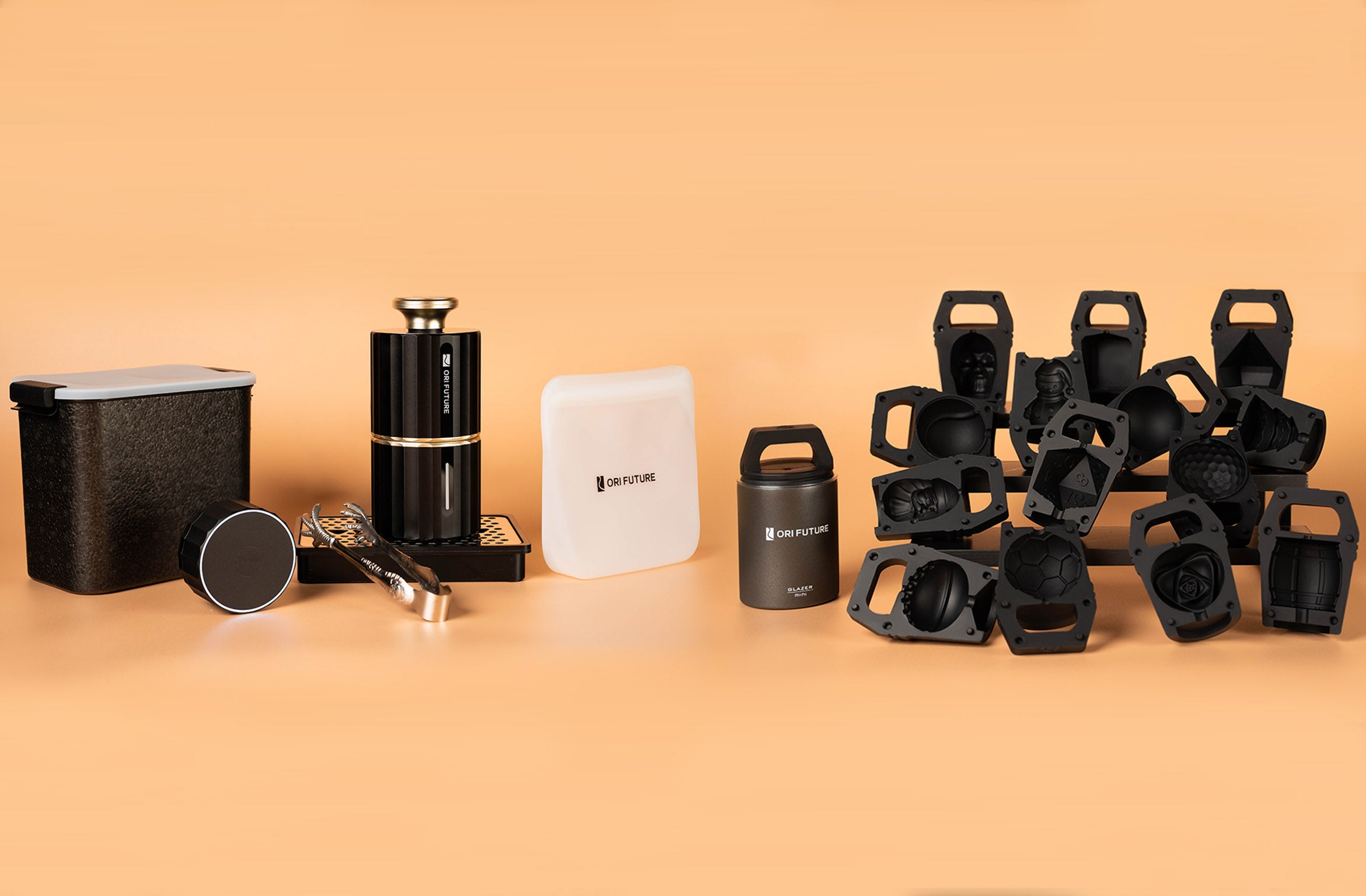
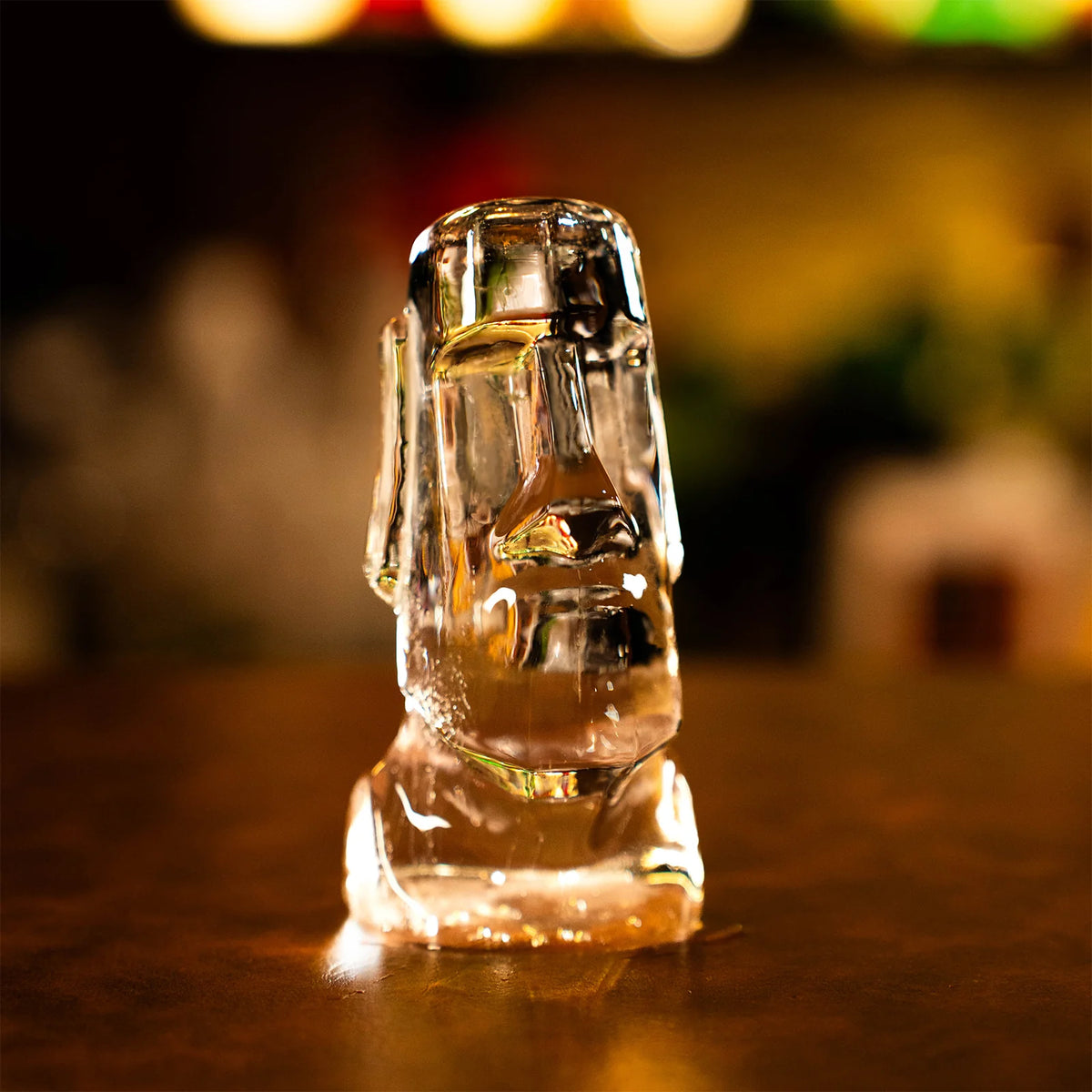
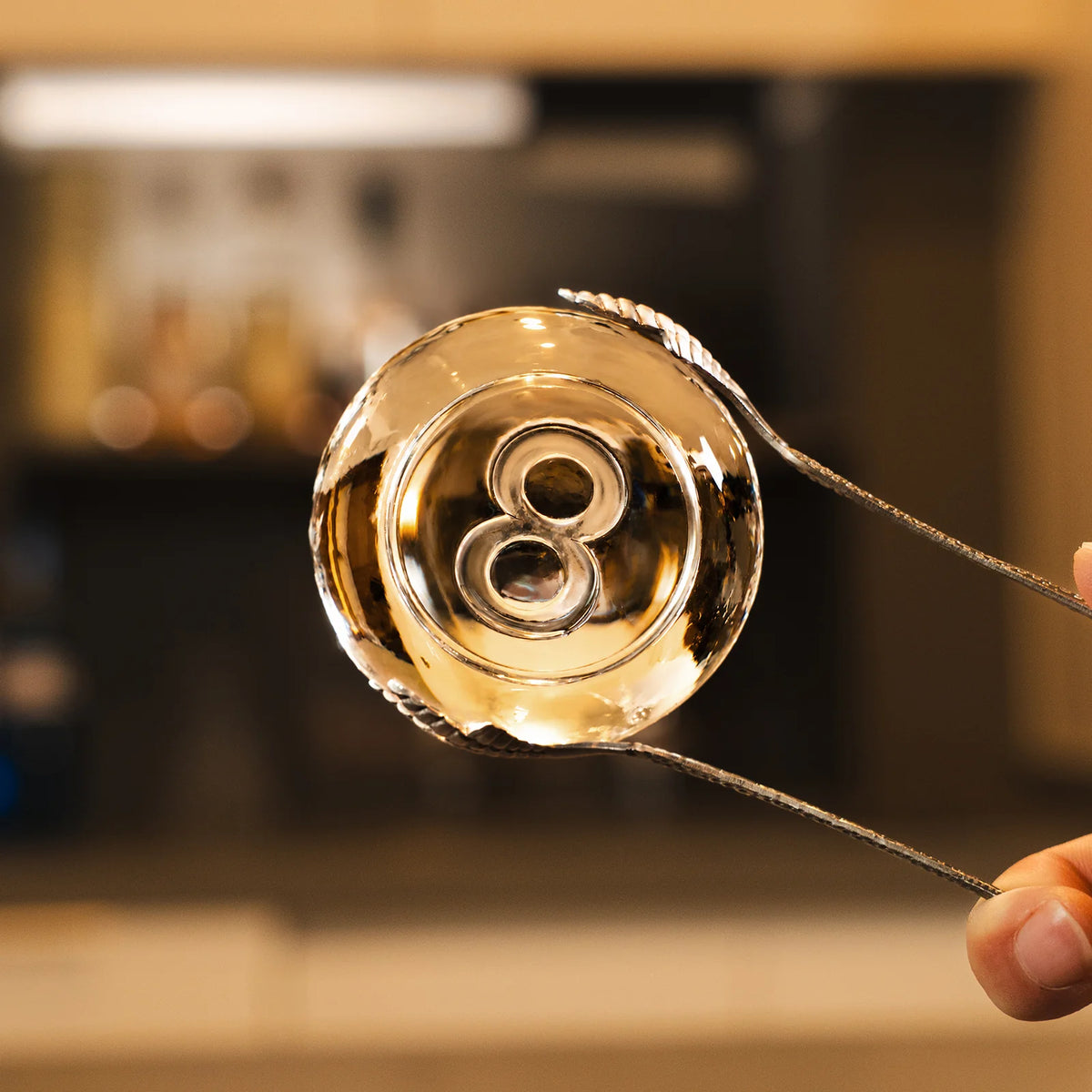
Silicone molds come in many cool shapes. They are great for parties and special events.
Silicone vs. Plastic Ice Molds

Flexibility and Ice Release
Plastic ice cube trays can be hard to use. You often twist or hit them to get the ice out. Sometimes, you even need warm water. Silicone ice molds make things much easier. They are soft and bendy. You just press or twist, and the ice comes out fast. You do not need to use a lot of strength. Here is how they are different:
Silicone trays bend easily. You can press them, and the ice slides out.
Plastic trays are stiff. You might have to use warm water or twist hard.
Tests show silicone needs less force to release ice. Metal trays need much more force.
Silicone is smoother, so ice does not stick as much.
If you want easy ice cubes, silicone trays are best.
Durability and Longevity
You want your ice molds to last a long time. Silicone is strong and stays flexible. It does not break or change shape after many uses. Plastic molds can crack or bend if you use them a lot. Here are some facts:
Material |
Average Lifespan |
Month 6 Performance |
Month 12 Performance |
Flexibility After 180+ Cycles |
|---|---|---|---|---|
Silicone |
2–5 years |
94% still flexible |
N/A |
Still flexible, no damage |
Plastic |
1–3 years |
41% had cracks |
78% bent or warped |
No flexibility left |
Plastic trays lose their shape and can break. Silicone stays soft from very cold to very hot. You can trust silicone to last and work well. It does not get damaged easily. If you want something that lasts, choose silicone.
Safety and Food-Grade Materials
It is important to use safe ice molds for food and drinks. Silicone ice trays often have safety labels like FDA or LFGB. This means they are safe and do not have bad chemicals. You do not have to worry about dangerous stuff in your ice.
Plastic trays can have chemicals like BPA, phthalates, and PFAS. These can hurt your body. They may cause problems for kids and adults. Here is what you should know:
Silicone is usually safe and does not have BPA.
Look for FDA or LFGB labels to be sure your silicone tray is safe.
Plastic can have chemicals that act like hormones.
These chemicals can cause cancer and other health problems.
If you want safe and clean ice, silicone is a good choice.
Cost and Value
Plastic ice trays cost less money. You can find them almost anywhere. Silicone trays cost more at first, but they last longer. They do not break or lose shape. You do not have to buy new ones every year.
Plastic is cheap but breaks faster.
Silicone costs more but lasts longer and works better.
You save money with silicone because you do not replace it often.
If you want to spend less now, pick plastic. If you want something that lasts, pick silicone.
Directional Freezing with Silicone Ice Cube Trays
You might want clear ice for your drinks. Directional freezing helps make ice look clear. Silicone trays make this easier. They let heat move better and are flexible. This helps you control how the ice freezes. You can get clearer ice than with plastic trays.
But, silicone can trap air in tiny holes. This can make the ice look cloudy. Insulated plastic and stainless steel trays keep air out and make clearer ice. Here is a quick look:
Material |
Ice Clarity |
Reason for Clarity Issue |
|---|---|---|
Silicone |
Cloudier ice |
Air gets trapped in tiny holes and freezes fast. |
Stainless Steel |
Clearer ice |
Less air, so fewer ice crystals form. |
Insulated Plastic |
Clearer ice |
Keeps air out. |
If you want to try making clear ice, silicone trays give you options. The ice may not always be perfect, but you can try different ways and shapes.
Now you know how silicone and plastic ice molds are different. Silicone is flexible, strong, safe, and lasts longer. Plastic is cheaper and easy to find. Pick the one that works best for you.
Pros and Cons of Silicone Ice Cube Trays
Advantages of Silicone Trays
You want ice cubes that come out easily. Silicone trays make this simple. They are soft, so you can twist or push to get ice out. You do not have to hit the tray or worry about breaking it. Silicone trays come in many shapes and sizes. If you want a star-shaped cube, you can find one.
Silicone is strong and lasts a long time. You can use it in the freezer or oven. It does not change shape or get damaged. You can put silicone trays in the dishwasher. They do not hold on to smells or tastes like some other trays. Silicone is safe for food and does not have bad chemicals. It is also better for the planet because you can recycle it.
Here is a table that shows how silicone and plastic trays are different:
Feature |
Silicone Ice Cube Trays |
Plastic Ice Cube Trays |
|---|---|---|
Lifespan |
5–7 years |
1–2 years |
Resistance to tearing |
Yes |
No |
Stability |
Maintains shape |
Warps easily |
Temperature range |
-40°F to 500°F |
Limited |
Versatility |
Freezer to oven |
Only freezer |
Environmentally |
Recyclable |
Not recyclable |
Disadvantages of Silicone Trays
There are some downsides to silicone trays. They can pick up smells if left near strong foods. You might need to wash them more often to keep them clean. Silicone trays cost more than plastic trays. You pay extra because they last longer and are safer, but the price is higher.
If you want to spend less, silicone may not be for you. The trays are softer, so you need to be gentle with them. Some people think silicone makes ice taste odd, but most people do not notice. You should think about the good and bad parts of silicone before you choose.
Pros and Cons of Plastic Trays
Advantages of Plastic Trays
You see plastic ice cube trays in most kitchens. They are easy to find and do not cost much. If you want to save money, plastic is a smart choice. You can buy a few trays at once and not spend a lot. Plastic is light, so you can carry it easily. If you drop it, it will not be heavy or hard to pick up.
Here are the main good things about plastic:
Advantage |
Description |
|---|---|
Lightweight |
Easy to handle and store |
Affordable |
Cost-effective for everyday use |
Plastic trays are not just for ice. Some people freeze herbs or baby food in them. If you want something simple and cheap, plastic is a good choice.
💡 Tip: If you need a lot of ice for a party, you can buy more plastic trays without spending too much.
Disadvantages of Plastic Trays
Plastic has some problems. It is not as strong as silicone. After a while, you might see cracks or the tray may bend. This means you will need to get new trays more often. It can also be hard to get ice out of plastic trays. Sometimes you have to twist or hit the tray, but the ice still sticks.
Here are the main bad things about plastic:
Disadvantage |
Description |
|---|---|
Less Durable |
Plastic trays are more prone to damage, cracking, breaking, or warping. |
Difficult Ice Release |
Ice cubes may get stuck, requiring extra effort to release them. |
Chemical Concerns |
Some plastic trays may contain harmful chemicals like BPA, raising safety concerns for food use. |
You should also think about safety. Some plastic trays have chemicals that can get into your ice or food. These chemicals can hurt your body. They can cause cancer, brain problems, or change your hormones. If you care about safety, look for BPA-free trays or try another material.
Chemical Type |
Health Effects |
|---|---|
Endocrine disruptors |
Linked to neurodevelopmental problems, metabolic disorders, reproductive issues |
Carcinogens |
Can increase the risk of certain cancers |
Neurotoxic chemicals |
Can damage organs and interrupt biological processes |
Brominated flame retardants |
Associated with brain damage, reduced IQ, ADHD in children |
Vinyl chloride |
Increases the risk of certain cancers |
Plastic does not last as long as silicone. It also does not come in as many shapes or bend as much. If you want a tray that lasts, you might want to pick something else.
Choosing the Right Ice Molds for You
Home vs. Commercial Use
You need to pick ice molds for your home or business. At home, you might want fun shapes and easy cleaning. Silicone trays are soft and come in many colors. They are easy to use and keep your freezer clean. Some have leakproof designs. Plastic trays are cheaper and easy to find. But they might not last as long as silicone.
If you own a restaurant or bar, you need strong and safe molds. Many commercial kitchens use silicone because it lasts and is safe for food. Some places use metal molds for clear ice. Metal molds can be hard to use. Here is a table that shows the differences:
Material Type |
Durability |
Safety Features |
|---|---|---|
Silicone Molds |
Highly flexible |
Food-grade, BPA-free, may absorb odors |
Plastic Molds |
Lightweight |
Food-grade, BPA-free; may become brittle |
Metal Molds |
Extremely durable |
Great cold conduction; tricky ice release |
Hybrid Designs |
Flexible + Rigid |
Combines benefits of both materials |
Tip: If your kitchen is busy, pick molds that go in the dishwasher. Wide openings make them easy to fill and clean.
Specialty Shapes and Uses
You can make ice cubes in many shapes. Silicone molds come as balls, diamonds, hearts, or even with logos. These shapes make drinks look cool at parties. Plastic trays usually make simple cubes, but some have fun shapes too.
Specialty Shape |
Application Setting |
Primary Benefits |
|---|---|---|
Spheres, Hexagons, Diamonds |
High-End Bars |
Slow melting, stylish look |
Hearts, Logos, Custom Shapes |
Weddings & Events |
Personal touch, memorable |
Cubes, Spheres, Novelty Shapes |
Home Use |
Fun, easy to use |
Specialty shapes can take longer to freeze. More details can make ice cloudy or trap air. Simple molds freeze faster but the cubes melt quicker.
Storage and Space
You want to save room in your freezer. Silicone trays can fold flat to fit in small spaces. Some plastic trays stack on top of each other. This helps when you need lots of ice. Low trays fit under shelves and are easy to move.
Silicone trays fold for easy storage.
Plastic trays stack to save space.
Low trays fit under shelves for better storage.
Think about your freezer size and how many trays you need. Choose ice molds that fit your space and make things easier.
Cleaning and Maintaining Ice Molds
Cleaning Silicone Ice Cube Trays
You want your silicone trays to stay clean and fresh. Most silicone trays can go in the dishwasher. You can also wash them by hand. Use warm water and soap after each use. This helps stop smells and keeps trays clean. If you use a dishwasher, put trays on the top rack. This keeps them safe from too much heat. Never use sharp things on silicone trays. Sharp tools can poke holes in them. Store trays flat or stack them with paper towels between. Food-grade silicone does not soak up soap or smells if you rinse it well.
Cleaning Method |
Description |
|---|---|
Warm, soapy water |
Clean trays after each use to keep them hygienic. |
Dishwasher |
Place on top rack for easy cleaning. |
Avoid sharp utensils |
Prevent punctures and keep trays lasting longer. |
Storage |
Stack with paper towel or store flat to prevent sticking. |
Replacement |
Replace if you notice tears, strong odors, or discoloration. |
Tip: Wash silicone trays right after you take out the ice. This stops water and smells from building up.
Cleaning Plastic Trays
Plastic trays are simple to clean but need gentle care. Wash them with soap and water every time you use them. Use a soft sponge and soap with no scent. Do not use steel wool or rough pads. These can scratch the tray. Every month, soak trays in a mix of vinegar and water. Use one part vinegar and three parts water. Soak for 20 minutes to get rid of stains and smells. Always let trays air-dry upside down on a clean surface. Never put them away wet or use dirty towels.
Maintenance Step |
Recommended Frequency |
Best Practices |
Avoid |
|---|---|---|---|
Washing with soap |
After every use |
Soft sponge, fragrance-free soap |
Abrasive pads, steel wool |
Vinegar soak |
Every 4 weeks |
1:3 vinegar-water, 20 min soak |
Soaking too long |
Freezer storage |
Always |
Covered with lid or wrap |
Near strong-smelling foods |
Drying |
After every wash |
Air-dry upside down |
Storing while damp |
Odor and Stain Issues
Both silicone and plastic molds can get smells if kept near strong foods. To stop this, wash trays with warm, soapy water after using them. Dry trays all the way before putting them away. For tough smells, soak trays in a mix of water and white vinegar. Use equal parts water and vinegar for 15 to 30 minutes. You can also heat silicone trays in the oven at 350°F for one hour to remove bad smells. Baking or boiling works for silicone too. Store molds flat or upright in a dry, clean cabinet. Use cotton bags to protect them.
Block Quote:
Do not keep silicone molds near strong foods or cleaners. They can soak up smells over time. For tough smells, soak in water and vinegar (equal parts) for 15–30 minutes, then rinse.
Method |
Description |
|---|---|
Wash with warm, soapy water |
Gets rid of dirt and stops smells and stains |
Soak in vinegar solution |
Removes strong smells |
Dry completely |
Stops mildew and bad smells from moisture |
Keeping your ice molds clean and fresh makes your drinks taste better.
You now know what sets silicone and plastic ice molds apart. Silicone gives you easy ice release, long-lasting strength, and safer materials. Plastic costs less and works for quick, simple needs. If you want flexible trays and care about safety, silicone is your best bet. If you need to save money or buy in bulk, plastic trays fit the bill. Think about how often you use ice and what matters most to you. Choose the mold that matches your style and makes life easier.
FAQ
Can I use silicone ice molds for things other than ice?
Yes! You can use silicone molds for chocolate, candy, soap, or even mini muffins. They handle both hot and cold. Just wash them well between uses.
Do silicone ice trays make ice taste funny?
Most people do not notice a taste. If you smell something odd, wash the tray with warm, soapy water. For stubborn smells, soak it in vinegar and water.
Are plastic ice trays safe for food?
Some plastic trays are safe, but you should look for BPA-free labels. Avoid old or cracked trays. Chemicals can leach out over time.
Tip: Always check for "food-safe" or "BPA-free" on the packaging.
How do I stop my ice cubes from sticking in plastic trays?
Try running warm water on the bottom of the tray for a few seconds. This helps loosen the cubes. You can also twist the tray gently.
