



Why is Ice in Wine Frowned Upon?
Introduction to Wine Frowned Upon
Adding ice to wine is often frowned upon in the wine community, and for good reason. While it may seem harmless to cool down a glass of wine with ice, the practice can severely alter the characteristics that make wine unique. From our experience, wine aficionados recommend drinking wine at its intended temperature to fully appreciate its aroma, flavor, and complexity. In this article, we explore why ice in wine is generally avoided and the impact it has on the drinking experience.

Table of Contents
The History Behind Wine Etiquette
The tradition of wine etiquette goes back centuries, and part of this includes the way wine is served. Historically, wine was always served at cellar temperature, around 55°F (13°C), which was considered ideal for preserving its flavors. Over the years, wine professionals and enthusiasts have refined the art of wine tasting, emphasizing the importance of temperature control. Ice in wine not only disrupts this temperature control but also diminishes the integrity of the wine.
How Temperature Affects Wine
Temperature plays a crucial role in the enjoyment of wine. Too warm, and the alcohol may overpower the delicate flavors; too cold, and the wine may lose its aromatic potential. Wine is typically categorized into red and white, each requiring a different serving temperature to bring out its best qualities:
| Wine Type | Ideal Serving Temperature |
|---|---|
| Red Wine | 55-65°F (13-18°C) |
| White Wine | 45-55°F (7-13°C) |
| Rosé Wine | 50-60°F (10-15°C) |
As you can see, the ideal serving temperature for wine is carefully calibrated. Adding ice to wine can lower the temperature too drastically, which may mute its bouquet and flavors.
The Impact of Ice on Wine's Taste

When ice is added to wine, it starts to melt, introducing water into the wine. This dilutes the wine, which not only weakens the flavor but also disrupts the balance between acidity, sweetness, and tannins. Wine connoisseurs understand that even small changes in the wine’s composition can significantly alter its taste.
From our experience, it is not uncommon to see people add ice to wine in casual settings, but for anyone interested in exploring the true character of wine, we recommend avoiding this practice. The subtle nuances that define a wine’s complexity can be lost when ice is introduced.
Alternatives to Ice in Wine
If you find yourself in a situation where you need to cool down your wine quickly, there are several alternatives to adding ice that will preserve the integrity of the wine:
- Wine Chillers: A wine chiller can cool the wine without diluting it. These can be placed in the bottle or as a chiller sleeve around the wine glass.
- Chilled Stones: Similar to whiskey stones, these can be placed in the wine glass to lower the temperature without altering the wine’s composition.
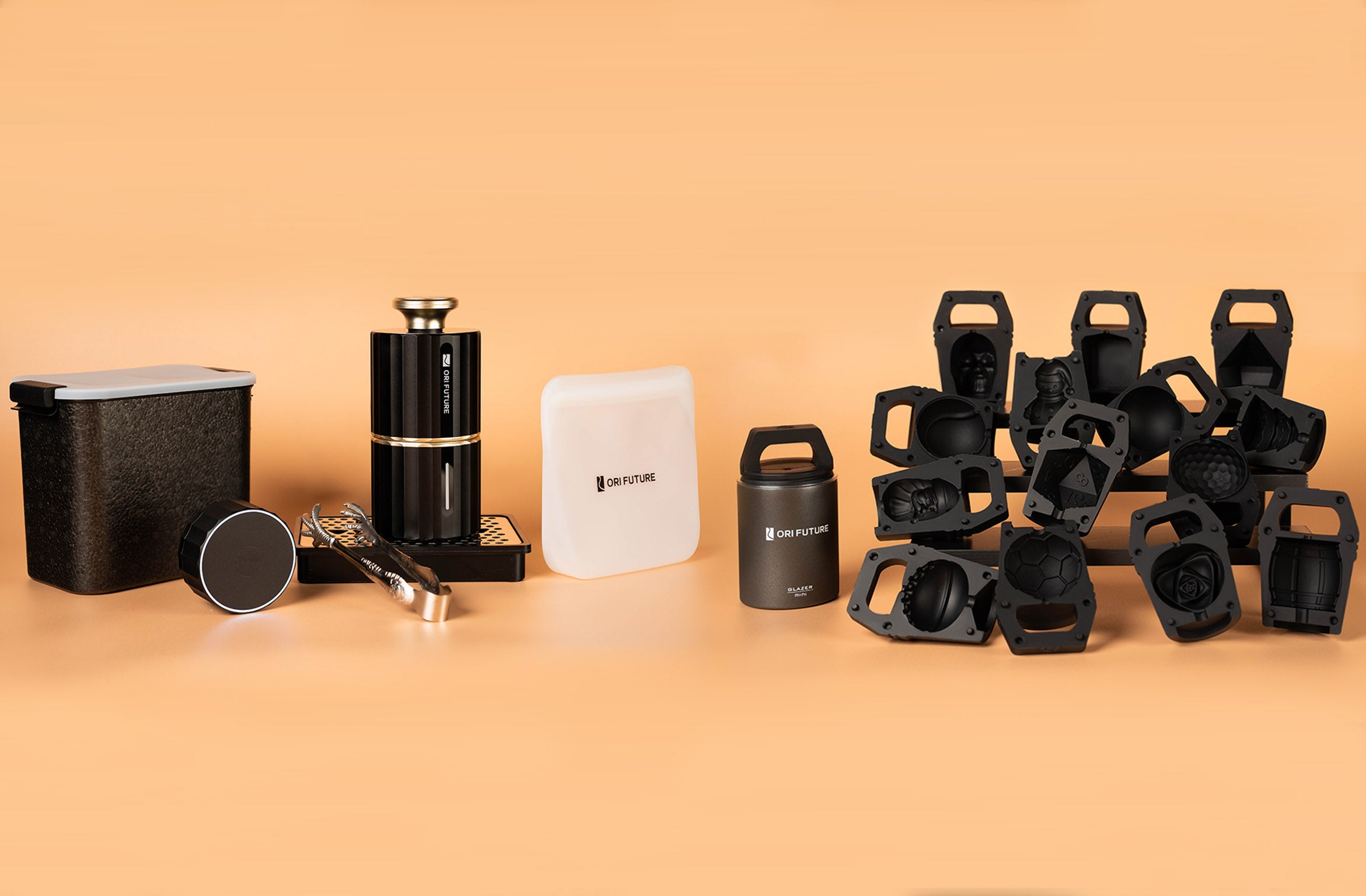
- Ice Presses: A tool like the GLAZER Press whiskey ice ball machine can create perfectly shaped ice balls that melt slowly and won’t dilute the wine as quickly as traditional ice cubes.
The Role of Ice in Whiskey and How It Differs from Wine
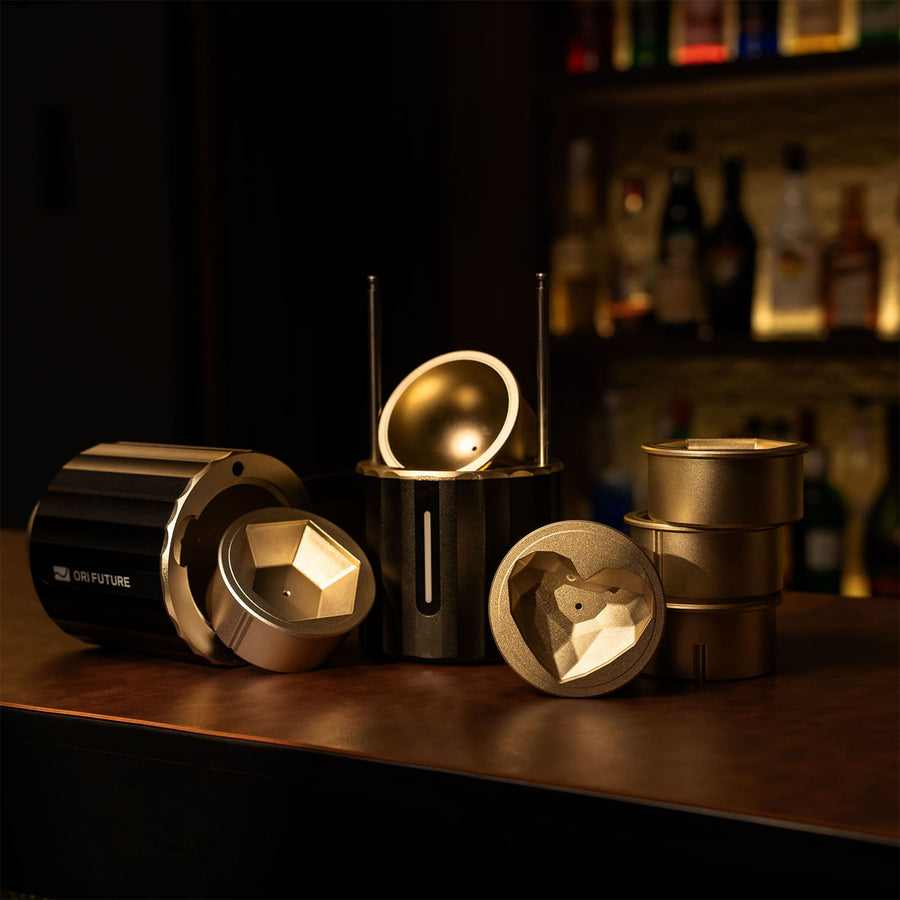
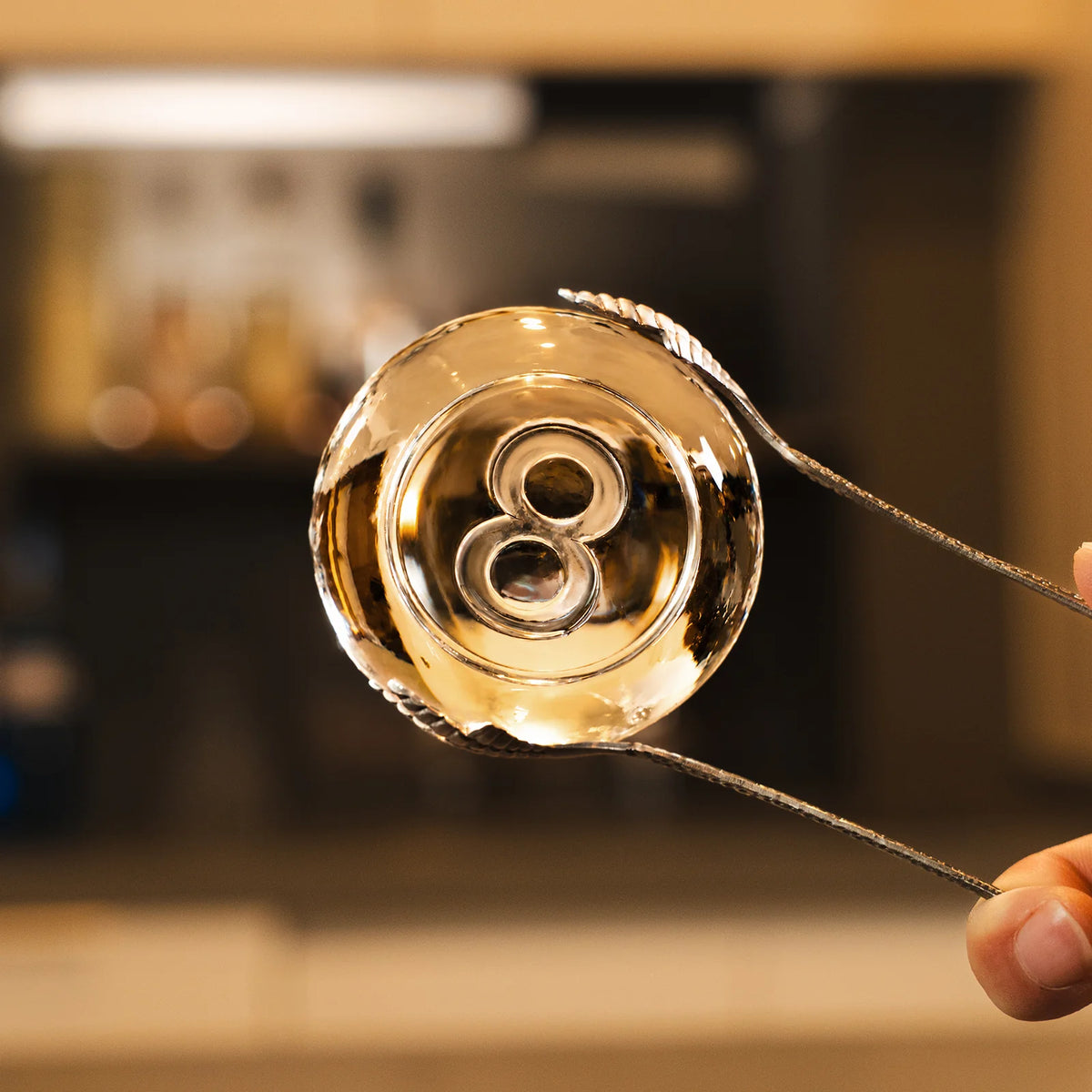
While adding ice to wine is frowned upon, it’s not uncommon in whiskey drinking. Whiskey connoisseurs often prefer using large ice balls, such as those created by the GLAZER Press whiskey ice ball machine, to cool their drink without overwhelming it with water. The large size of the ice ball ensures it melts slowly, maintaining the integrity of the whiskey’s flavor profile.
GLAZER Press Whiskey Ice Ball Machine is the most advanced ice press in the world, designed for making perfectly shaped ice balls that melt slowly. This method of cooling is ideal for whiskey and other spirits but should not be applied to wine.
| Feature | Specification |
|---|---|
| Color | Black |
| Product Size | 6 × 6 × 11 inches (16 × 16 × 28 cm) |
| Weight | ~4.4 pounds (~2 kg) |
| Power | 100~120 V / 220~240 V | 600 W |
| Heating Pulse Temp. | 100 °F (37.8 °C) |
| Pressing Time | 2 mins per round |
Conclusion
While adding ice to wine may seem like a quick solution to cool your drink, it is generally frowned upon because it can significantly alter the wine’s temperature and taste. To truly appreciate the complexity of wine, it’s essential to serve it at its ideal temperature. If you prefer your wine chilled, consider alternatives like wine chillers or chilled stones. Remember, wine is meant to be savored in its purest form, and temperature plays a crucial role in the experience. We recommend using the GLAZER Press whiskey ice ball machine for whiskey or other spirits, not for wine.
