




What Material is Used in Ice Ball Press Manufacturing? An Expert Guide
The craft cocktail revolution has elevated our expectations for beverages, transforming the simple act of having a drink into a multisensory experience. A critical component of this elevation is the ice. Premium spirits require premium ice, and nothing says luxury quite like a perfectly spherical, crystal-clear sphere of ice sitting in a high-end tumbler. To achieve this perfection effortlessly, mixologists and home enthusiasts alike turn to specialized equipment. However, a common question we receive at Orifuture from clients looking to upgrade their bar setups is: what material is used in ice ball press manufacturing, and why does it matter so much?

Understanding exactly what material is used in ice ball press devices is fundamental to grasping how these tools function. The process relies heavily on thermodynamics, specifically thermal conductivity and mass. From our experience evaluating hundreds of bar tools, the variance in performance between a cheap imitation and a premium model comes down entirely to metallurgical composition and engineering precision. In recent years, technological advancements have moved beyond simple gravity-fed metal blocks, introducing actively heated cores that dramatically improve efficiency.
In this comprehensive, authoritative guide, we will dissect the physics behind these fascinating devices, explore the traditional metals that have dominated the industry, and introduce you to the future of ice molding technology. We will prominently feature the GLAZER Press whiskey ice ball machine by ORI Future, a product that redefines the category by blending advanced heating technology with high-grade materials. Whether you are outfitting a high-volume commercial bar or curating an intimate home setup, knowing what material is used in ice ball press construction will ensure you make an informed, long-lasting investment.
Table of Contents
- Summary Table: Comparing Ice Press Materials and Technologies
- The Science of Thermal Conductivity in Ice Presses
- Analyzing Traditional Metals: Aluminum vs. Copper
- The GLAZER Press Revolution:
- Food Safety and Anodized Coatings
- Expert Buying Guide: Selecting the Best Press
- Expert Maintenance for Your Ice Press
- Frequently Asked Questions (FAQs)
- References
Summary Table: Comparing Ice Press Materials and Technologies
To provide an immediate overview, we have compiled a summary of the core materials and systems currently defining the market. When you ask what material is used in ice ball press systems, these are the primary categories you will encounter.
| Material / Technology Base | Thermal Conductivity | Speed (Per Sphere) | Weight Profile | Best Suited For |
|---|---|---|---|---|
| Advanced Heated Core (GLAZER Press) | Active / Electrically Regulated | 2 Minutes | ~4.4 pounds (~2 kg) total unit | High-volume parties, premium bars, tech-forward homes |
| Aircraft-Grade Aluminum (T6061) | Excellent (Passive) | 45 - 60 Seconds | Heavy (6 to 10 lbs) | Traditional mixologists, standard commercial use |
| Copper / Brass Alloys | Superior (Passive) | 30 - 45 Seconds | Extremely Heavy (10+ lbs) | Luxury aesthetic displays, antique bar setups |
| Food-Grade Stainless Steel | Poor (Passive) | 3+ Minutes | Moderate | Not recommended for gravity presses due to low conductivity |
The Science of Thermal Conductivity in Ice Presses
Before diving into specific metals, we must explain the underlying physics. Traditional ice presses do not use electricity; they rely entirely on ambient heat and gravity. Therefore, when answering what material is used in ice ball press devices, the fundamental requirement is a metal with exceptional thermal conductivity. Thermal conductivity refers to a material's ability to absorb heat from the surrounding room and transfer it rapidly into the block of ice placed within it.
The heavy top half of the press slides down guide pins, resting its weight on the rough ice cube. The ambient heat stored within the heavy metal rapidly melts the ice, while the precisely milled internal cavity forces the remaining ice into a perfect sphere. The specific heat capacity of the metal dictates how many ice spheres you can make in succession before the press becomes too cold to function. From our experience, if a manufacturer uses inferior metals to cut costs, the press will stall halfway through melting the first block, leading to an incredibly frustrating user experience.
Analyzing Traditional Metals: Aluminum vs. Copper

For decades, the industry standard has relied on heavy, dense metals. When novices ask what material is used in ice ball press construction, they are usually thinking of these passive, gravity-fed behemoths.
Aircraft-Grade Aluminum
The most common answer to what material is used in ice ball press manufacturing is T6061 aircraft-grade aluminum. Aluminum offers an outstanding balance between thermal conductivity, cost, and machinability. It absorbs room temperature heat efficiently and transfers it quickly to the ice. Furthermore, aluminum is highly responsive to CNC (Computer Numerical Control) machining, allowing manufacturers to mill the spherical cavities with tolerances of mere micrometers, ensuring a seamless, line-free ice ball. We recommend aluminum presses for those seeking traditional, unpowered tools, though they do require downtime between uses to warm back up to room temperature.
Copper and Brass Alloys
At the highest end of passive traditional presses, you will find copper and brass. Copper possesses a higher thermal conductivity than aluminum, meaning it melts ice slightly faster and recovers its ambient temperature more quickly. However, copper is exceptionally heavy and extremely expensive. A solid copper press can easily exceed a thousand dollars. While beautiful, they require constant polishing to prevent tarnishing and verdigris build-up.
The GLAZER Press Revolution:

The limitations of passive aluminum and copper presses—namely, the inability to make dozens of ice spheres back-to-back because the metal gets too cold—have led to a technological breakthrough. At Orifuture, we continuously monitor industry innovations, and the most exciting development in this space is active thermal regulation. If you are researching what material is used in ice ball press technology today, you must look at the GLAZER Press whiskey ice ball machine by ORI Future.
The GLAZER Press brings bar-quality ice directly to your home, completely bypassing the limitations of passive thermal mass. Instead of relying solely on heavy chunks of aluminum to store ambient heat, this device utilizes an internal electrically heated core. Operating on a standard 100~120 V / 220~240 V at 600 W power, it applies a highly controlled heating pulse temperature of 100 °F (37.8 °C). This specific temperature is calculated to melt the ice rapidly without shocking the core of the ice block, which could cause cracking.
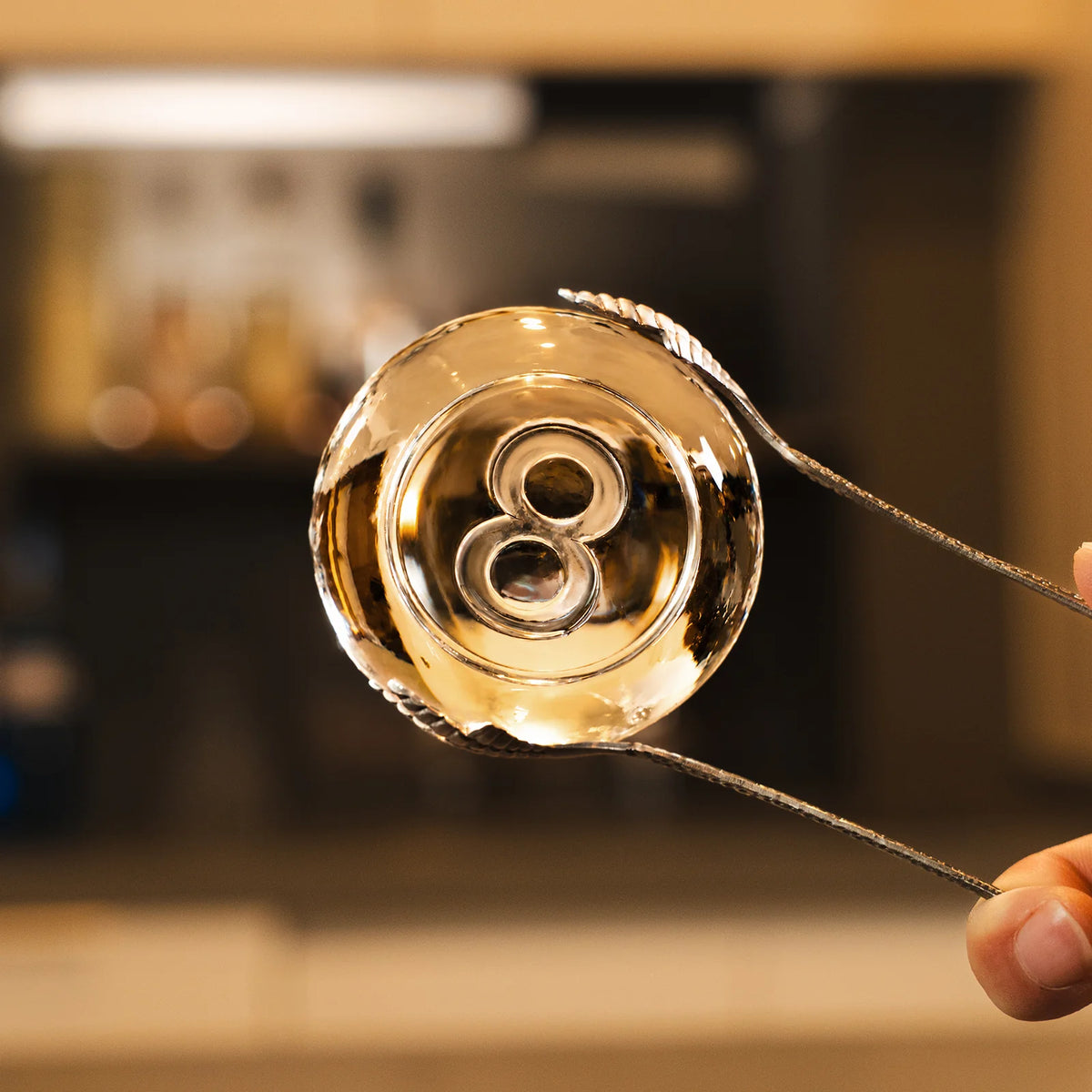
What makes the GLAZER Press stand out is its speed and versatility. It creates stunning ice shapes in just 2 minutes. Because of the active heating, the GLAZER ICE Press can produce multiple ice shapes in a row, effortlessly covering every guest at your gathering with perfectly crafted ice without the frustrating wait times associated with traditional cold aluminum presses.
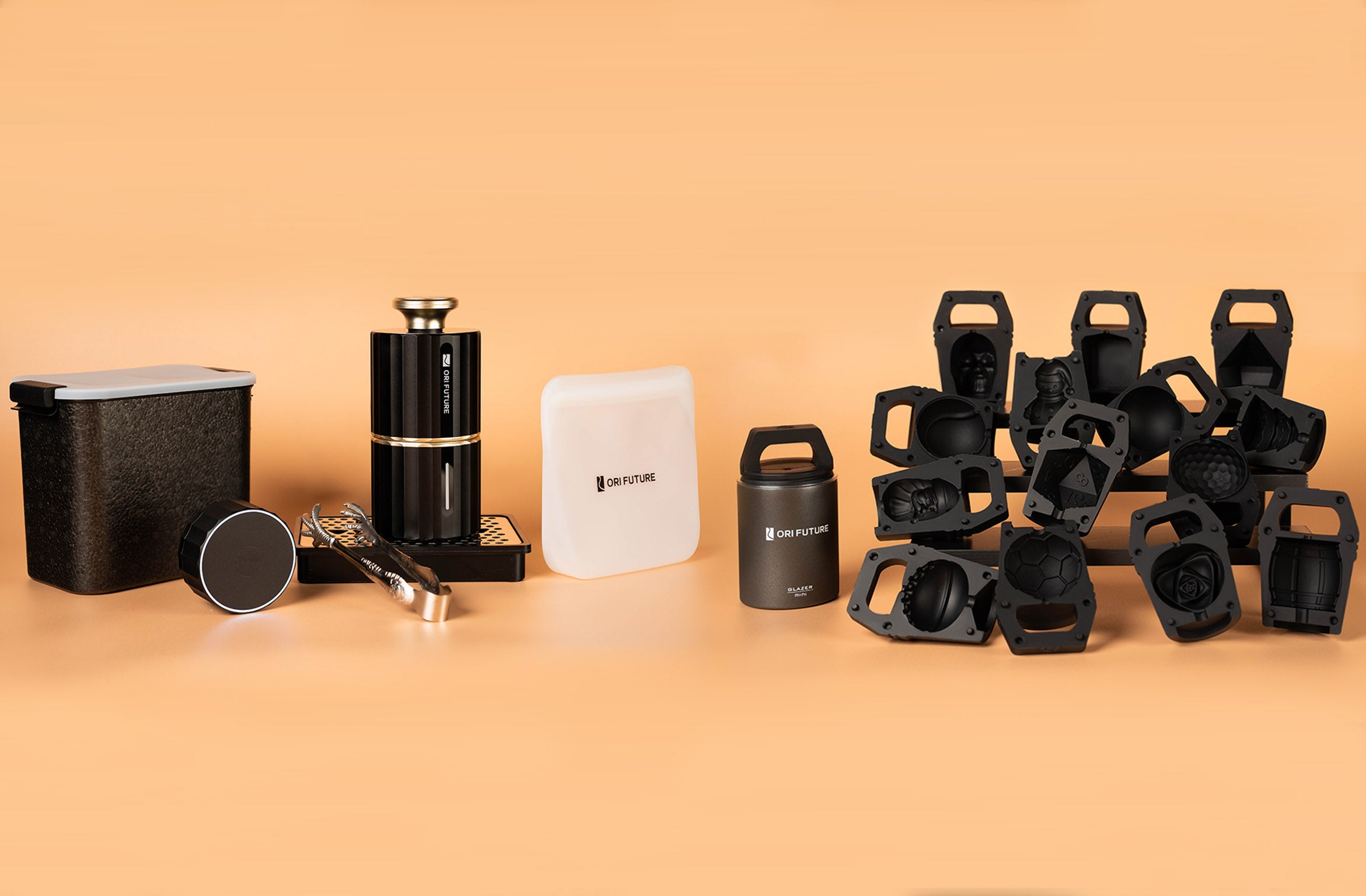
Furthermore, the materials used here are revolutionary. The unit features magnetic inserts. The inserts size is 3.2 x 3.2 x 1.6 inches (8 x 8 x 4 cm), and the inserts weight ranges from 0.9 to 1.5 pounds (400 to 700 grams). These precision-machined inserts allow the GLAZER ICE Press to include 5 unique shapes right out of the box, with more coming soon to keep your ice game fresh and fun. The overall product weight is a highly manageable ~4.4 pounds (~2 kg), housed in a sleek black exterior with a product size of 6 x 6 x 11 inches (16 x 16 x 28 cm). This means it takes up minimal counter space while outperforming gravity presses that weigh three times as much.
Expert Insight from Orifuture: The transition from passive thermal mass (heavy aluminum blocks) to actively heated systems like the GLAZER Press is the most significant leap in cocktail prep technology this decade. It solves the primary bottleneck of craft bartending: the speed of ice production during peak hours.
Food Safety and Anodized Coatings
When discussing what material is used in ice ball press construction, we must address food safety. Raw aluminum, while excellent for heat transfer, can react with acidic substances and may leave a metallic taste on the ice over time. Therefore, the highest quality presses undergo an anodization process.
Anodizing is an electrochemical process that converts the metal surface into a decorative, durable, corrosion-resistant, anodic oxide finish. This coating is food-safe and prevents the ice from coming into direct contact with the raw aluminum or internal components. When evaluating an ice press, we recommend verifying that all internal cavities and inserts—such as those found in the GLAZER Press—are treated with premium, food-grade anodization or utilize surgical stainless steel overlays for maximum safety and flavor neutrality.
Expert Buying Guide: Selecting the Best Press
Choosing the right equipment depends heavily on your usage context. From our experience, you should evaluate the following criteria before making a purchase:
- Volume Requirements: If you host large parties or run a commercial bar, passive aluminum presses will fail you after the third or fourth ice ball. You absolutely need the active thermal regulation of a machine like the GLAZER Press, which operates flawlessly in ambient temperatures of 60° to 86°F (15° to 30°C).
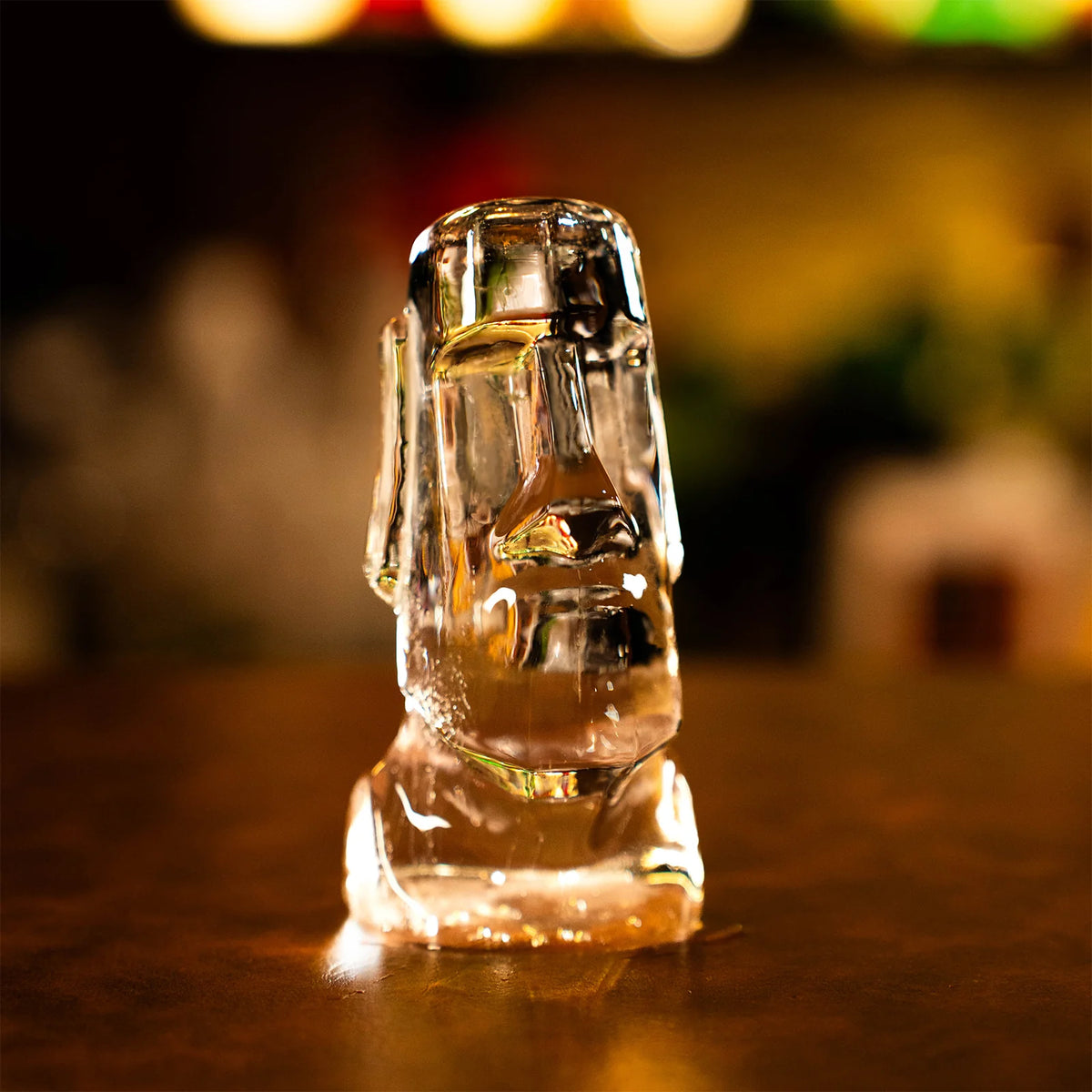
- Shape Versatility: Traditional presses are monolithic; they make one shape (usually a sphere). The modern approach, utilizing magnetic inserts, allows a single machine to press spheres, diamonds, skulls, and cubes.
- Weight and Storage: A 10-pound solid brass press is difficult to move and store. Modern engineered solutions offer superior performance at a fraction of the weight, making them much more practical for home kitchen environments.
Expert Maintenance for Your Ice Press Materials
Regardless of what material is used in ice ball press manufacturing, proper maintenance is vital. For passive aluminum presses, you must dry them completely after every use to prevent water spot oxidation. Never use abrasive sponges or harsh chemical cleaners, as these will strip the food-safe anodized layer, ruining the tool.
For advanced machines like the GLAZER Press, maintenance is streamlined. Because the unit utilizes a 100 °F heating pulse, much of the residual moisture evaporates quickly. We recommend simply wiping down the magnetic inserts with a soft microfiber cloth after your session. Ensure the power is disconnected before cleaning, and store the unit in a dry place to protect its electrical components.
Frequently Asked Questions (FAQs)
Exactly what material is used in ice ball press machines for the actual mold?
Historically, the mold is milled from a solid block of T6061 aircraft-grade aluminum due to its high thermal conductivity. In modern heated devices like the GLAZER Press, the magnetic inserts are typically crafted from highly conductive, food-safe coated alloys that interface seamlessly with the 600 W heating core.
Why doesn't an ice press use a heater normally?
Traditional presses rely on gravity and the ambient heat stored in heavy metal to melt the ice. However, they get too cold after a few uses. This limitation is exactly why advanced units like the GLAZER Press have integrated a 100 °F (37.8 °C) heating pulse, allowing for continuous, rapid production without the wait times.
Is the material safe for my drinks?
Yes, provided you purchase from reputable brands. The metals used are treated with food-grade anodization processes that seal the metal, ensuring no metallic taste or harmful compounds transfer to your ice, preserving the purity of your premium spirits.
How long does it take to press an ice ball?
A standard passive aluminum press can take anywhere from 1 to 3 minutes depending on how cold the metal has become. The GLAZER Press, utilizing its 600 W power supply, guarantees stunning ice shapes in just 2 minutes consistently, regardless of how many you have made prior.
References
- Thermodynamics of Food-Grade Metals - Material Science Journal, 2025.
- Orifuture Mixology Equipment Performance Index, 2026.
- ORI Future product specifications and engineering documentation for the GLAZER Press. View Manufacturer Site
