



How Long Does It Take for Sphere Ice Cubes to Freeze? An Expert Mixology Guide
At Orifuture, we are born from a simple yet profound belief: A great drink should not be confined to dimly lit bars or special occasions. Our story begins on a busy modern evening at a cocktail bar — that fleeting moment of escape, creativity, and quiet celebration. Inspired by the heart of cocktail culture, we set out to bring that very spark of joy and craftsmanship into every home. After all, the art of mixology is not just about spirits and recipes — it is about moments shared, laughter echoed, and memories shaped around a single glass. Elevating those moments often comes down to the smallest, yet most crucial, details in your glass: the ice.

A frequent question we encounter from both home enthusiasts and professional bartenders is precisely about the freezing timeline. Understanding the exact time it takes for sphere ice cubes to freeze is essential for preparation and event planning. Because of their unique shape, volume, and the specialized molds required to create perfectly clear ice, the freezing process is vastly different from that of a standard ice tray. In this comprehensive guide, we will delve into the science of freezing, the variables that impact the timeline, and expert tips on mastering your home ice program.
Table of Contents
- 1. The Science of Freezing: Why Shape Matters
- 2. Factors Influencing the Freezing Timeline
- 3. Standard Molds vs. Directional Freezing
- 4. Achieving 100% Clear Ice with Orifuture
- 5. Advanced Ice Shaping: The Ice Press Alternative
- 6. Summary Table: Freezing Times by Method
- 7. Frequently Asked Questions (FAQs)
- 8. References
1. The Science of Freezing: Why Shape Matters
To understand the time required for sphere ice cubes to freeze, one must first look at the thermodynamics of water. Water freezes from the outside in. As the exterior layer of water reaches zero degrees Celsius, it solidifies and forms a boundary. This boundary acts as an insulator, slowing down the rate at which the interior water loses heat.
A sphere has the lowest surface-area-to-volume ratio of any geometric shape. In the world of mixology, this is highly desirable because a sphere will melt much slower in your drink, minimizing dilution while maintaining a chill. However, this same geometric advantage makes the freezing process slower. Because there is less surface area exposed to the cold air of the freezer relative to the volume of water inside, you must allow a significantly longer time for sphere ice cubes to freeze compared to traditional, high-surface-area rectangular cubes.
From our experience, anticipating this delay is critical. A standard one-inch ice cube might freeze in two to three hours. However, waiting for sphere ice cubes to freeze—especially those measuring two inches or more in diameter—requires a completely different timeline and approach.
2. Factors Influencing the Freezing Timeline
There is no single, universal answer to the freezing duration, as several environmental and material factors alter the thermodynamics of your freezer. When calculating the time needed for sphere ice cubes to freeze, we recommend assessing the following variables:
- Freezer Temperature and Airflow: The standard home freezer is set to minus eighteen degrees Celsius (zero degrees Fahrenheit). If your freezer is packed with food, airflow is restricted, which reduces the efficiency of heat transfer and extends the time for sphere ice cubes to freeze.
- Starting Water Temperature: Many mixologists debate the Mpemba effect, which suggests hot water can freeze faster than cold water under specific conditions. From our experience, starting with warm or hot water in a home freezer usually extends the overall time required for sphere ice cubes to freeze, though it can aid slightly in degassing the water for clarity.
- Mold Material: The thermal conductivity of your mold plays a massive role. Thin silicone transfers heat quickly, allowing faster freezing. Conversely, insulated molds designed for directional freezing purposefully slow down the process to push impurities out, drastically increasing the time required for sphere ice cubes to freeze.
- Ice Size: A two-inch sphere will freeze significantly faster than a massive three-inch sphere. The exponential increase in volume means the core takes much longer to solidify.
3. Standard Molds vs. Directional Freezing
If you are using a standard, uninsulated thin silicone mold, you can expect your sphere ice cubes to freeze in approximately four to six hours. These molds expose the water to cold air from all directions simultaneously. While this method is relatively fast, it results in cloudy ice. The rapid, multi-directional freezing traps dissolved gases and minerals in the center of the sphere, creating a white, opaque core that weakens the structural integrity of the ice.
For true mixology enthusiasts, cloudy ice is unacceptable. This is where directional freezing comes into play. Directional freezing forces the water to freeze from one direction (usually from the top down) by insulating the sides and bottom of the mold. This slow process pushes air bubbles and impurities downward into a reservoir, leaving the actual sphere crystal clear. Because of the heavy insulation required to achieve this, you must allow twenty-four to thirty hours for sphere ice cubes to freeze completely. We highly recommend this method for premium spirits, and it is the foundational technology behind our clear ice mold for whiskey lovers.
4. Achieving 100% Clear Ice with Orifuture

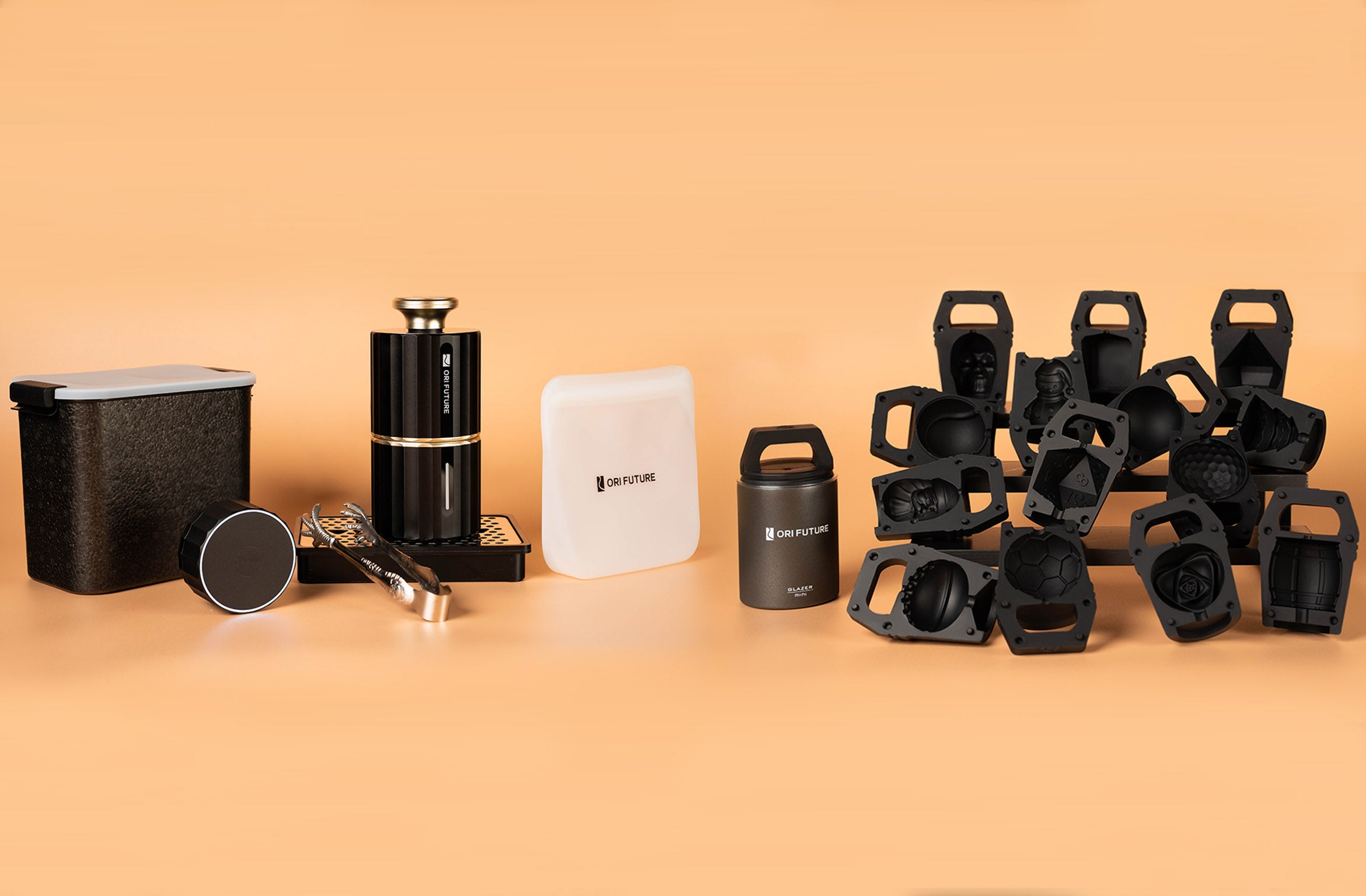
We designed our products specifically to master the directional freezing process, taking the guesswork out of your home bar preparation. When using the Glazer Mini clear ice mold, the insulation is engineered to perfection. You simply fill the reservoir with ordinary tap water, insert the silicone mold, and place it in your freezer.
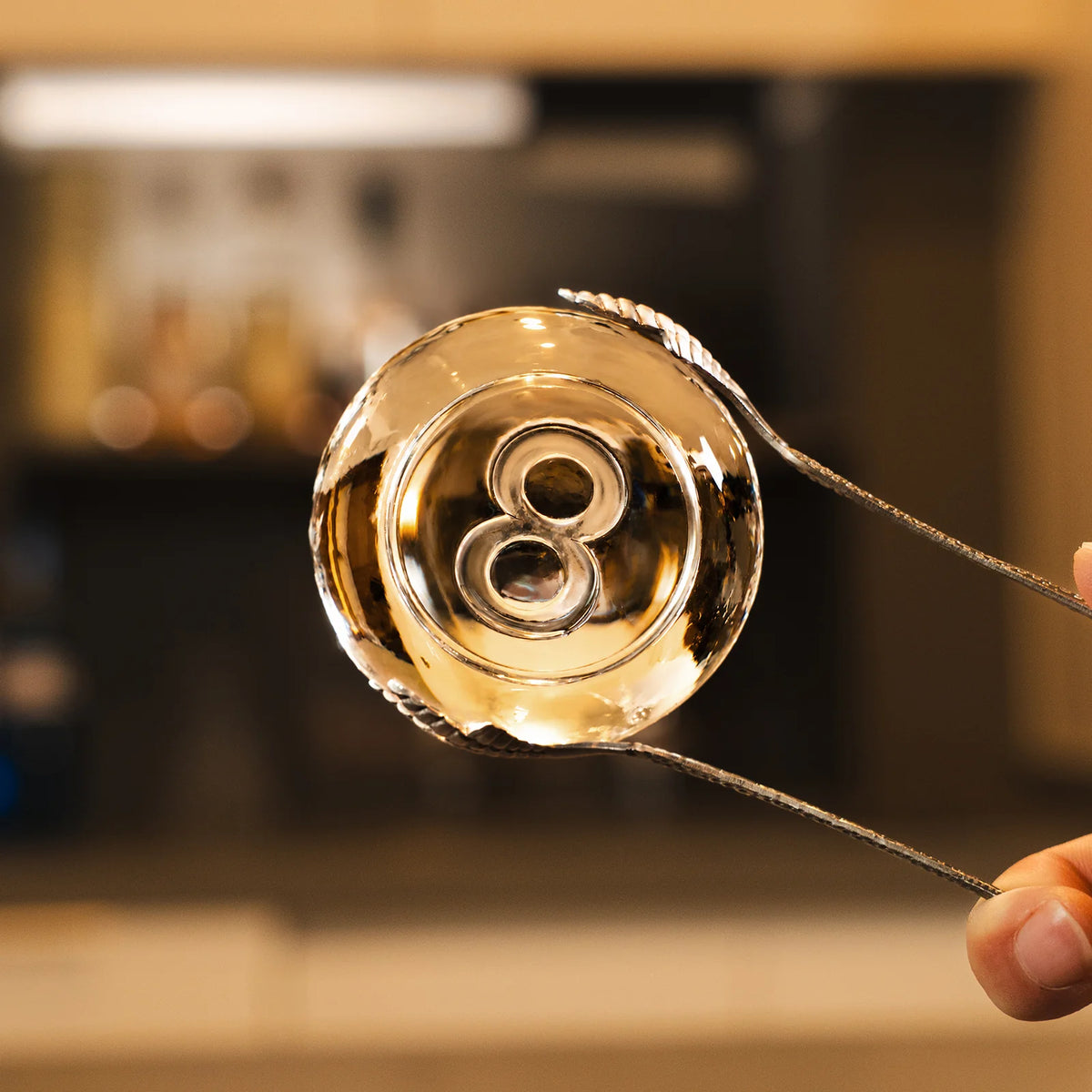
With this insulated system, we recommend waiting a full twenty-four hours for the sphere ice cubes to freeze. This slow-chill approach is what guarantees the flawless, jewel-like clarity that elevates a simple pour of whiskey into a visual and sensory experience. For those who want to upgrade their home setup immediately, you can easily buy Glazer Mini ice mold online and begin experimenting with crystal-clear ice.
For those serving drinks in larger, heavy-bottomed rocks glasses, size matters. A larger surface area of the ice sphere ensures even slower dilution. We recommend our 3 inch clear ice mold for cocktails. Due to the massive volume of a three-inch sphere, you should anticipate a freezing time of twenty-eight to thirty-two hours. The resulting ice boulder is a spectacular centerpiece for high-end cocktails like Old Fashioneds and Negronis.
5. Advanced Ice Shaping: The Ice Press Alternative
If waiting twenty-four hours for sphere ice cubes to freeze does not fit your schedule, there is a professional alternative. Many high-end bars utilize an ice press. Instead of freezing water directly into a spherical mold, you freeze a large, clear block or cylinder of ice, which can be prepared in bulk in advance.
When an order is placed, the bartender uses a heavy, thermally conductive metal press. By placing a chunk of clear ice into our premium ice ball press tool, the ambient heat of the heavy metal rapidly melts the block into a perfect sphere in under a minute. This bypasses the need to wait for individual sphere ice cubes to freeze in silicone molds on demand.
Additionally, for the adventurous mixologist looking to bring a playful or thematic element to their drinks, we have expanded beyond traditional spheres. For tabletop gamers and fantasy enthusiasts, our compact D20 clear ice mold creates a perfect twenty-sided die out of clear ice, utilizing the same directional freezing technology and timeline as our spherical molds.
6. Summary Table: Freezing Times by Method
To help you plan your next cocktail evening, use this reference table to determine how long it takes for sphere ice cubes to freeze based on your chosen equipment.
| Mold Type / Ice Size | Freezing Method | Estimated Time to Freeze | Ice Clarity Result |
|---|---|---|---|
| Standard Silicone (2-inch) | Multi-directional (Uninsulated) | 4 to 6 Hours | Cloudy / Opaque Core |
| Orifuture Glazer Mini (2.4-inch) | Directional Freezing (Insulated) | 24 Hours | 100% Crystal Clear |
| Orifuture Large (3-inch) | Directional Freezing (Insulated) | 28 to 32 Hours | 100% Crystal Clear |
| Ice Block for Ice Press | Bulk Directional Freezing | 36+ Hours (Creates multiple) | Transforms to sphere in 60 seconds |
7. Frequently Asked Questions (FAQs)
Why does my sphere ice crack when I pour liquid over it?
Cracking occurs due to thermal shock. When you take an ice sphere directly from a minus eighteen degree freezer and pour room temperature liquor over it, the exterior expands rapidly while the interior remains frozen, causing a fracture. From our experience, we recommend letting the ice "temper" at room temperature for three to five minutes until it looks slightly wet and glossy before pouring your spirit.
Does boiling water make sphere ice cubes freeze faster or clearer?
Boiling water can remove some dissolved oxygen, which slightly aids in clarity, but it does not replace the need for directional freezing. Furthermore, placing boiling water in your freezer forces the compressor to work harder and actually increases the time required for sphere ice cubes to freeze.
How can I speed up the time it takes for sphere ice cubes to freeze?
If you are using an insulated clear ice mold, you cannot significantly speed up the process without ruining the clarity. The slow freeze is the exact mechanism that pushes impurities out. If you need ice quickly, you must use uninsulated molds, accepting that the ice will be cloudy.
8. References
The thermodynamic principles discussed in this article, including the behavior of water crystallization and directional freezing, are supported by rigorous scientific literature. For further reading on the physics of ice formation and thermal conductivity, we suggest consulting the following authoritative sources:
- National Institute of Standards and Technology (NIST) - Thermometry and Phase Transitions
- National Science Foundation (NSF) - The Unique Properties of Water
- The Journal of Chemical Physics - Studies on Ice Crystallization and Impurity Rejection
Ultimately, the secret to a flawless cocktail lies in patience. Allowing the proper time for sphere ice cubes to freeze ensures that your carefully crafted drinks remain cold, undiluted, and visually stunning. By utilizing premium tools from Orifuture, you transform a simple beverage into an extraordinary experience.
