





5 Fridge Makes Sphere Shaped Ice Market in 2026
Let us confront an aggressive reality in the modern luxury appliance sector. Homeowners are spending thousands of dollars upgrading their kitchens with a singular, highly specific feature in mind. The demand for a fridge makes sphere shaped ice has entirely consumed the high-end refrigeration market. Appliance conglomerates market these machines as the ultimate solution for whiskey aficionados and home mixologists, promising bar-quality ice at the push of a button. However, from our experience, the mechanical reality of automated spherical ice production is fraught with severe engineering limitations, thermodynamic impossibilities, and relentless maintenance issues.

Crafted for original taste, real connection, and inspired thinking. From crystal clear ice to modern mixology tools, we help you build memorable drinking experiences we call ORI moments. When you pour a twenty-year-old single malt over a piece of ice, that ice becomes an active ingredient in your glass. If that sphere is cloudy, fractured, or carrying the residual odor of freezer burn, you have actively destroyed a premium spirit. We refuse to endorse subpar ice. A machine cannot replicate the flawless optical clarity and structural density achieved through controlled directional freezing.
In this uncompromising analysis, we will evaluate the top 5 refrigerator models currently attempting to automate the craft ice experience. We will dissect their mechanical failures, explain the unavoidable physics of why a fridge makes sphere shaped ice so poorly, and provide you with the definitive, professional-grade alternatives required to elevate your home bar.
Table of Contents
- 1. The Thermodynamic Problem with Automated Ice
- 2. The 5 Refrigerators Attempting Sphere Ice
- 3. The Superior Alternative: Directional Freezing Molds
- 4. The Professional Standard: The Ice Press
- 5. Summary Matrix: Automated vs. Manual Craft Ice
- 6. Frequently Asked Questions (FAQs)
- 7. External References
1. The Thermodynamic Problem with Automated Ice
To understand why automated systems fail, you must first understand how water freezes. When a standard fridge makes sphere shaped ice, it injects water into a spherical silicone or plastic mold located deep within a sub-zero freezer compartment. Because the ambient temperature surrounding the mold is far below freezing, the water begins to freeze rapidly from the outside in. The exterior of the sphere freezes first, creating a solid icy shell.
As the freezing process continues toward the center, the dissolved gases, trapped air, and microscopic mineral impurities present in the water are pushed inward. Because the outer shell is already solid, these impurities have nowhere to escape. They become violently trapped in the dead center of the sphere, creating a dense, cloudy, white core. This trapped air weakens the structural integrity of the ice. When you pour room-temperature liquid over this cloudy sphere, the thermal shock causes the trapped air to expand rapidly, resulting in immediate, audible cracking. The sphere splinters, diluting your drink at an aggressive and uncontrolled rate. No matter how advanced the marketing sounds, a machine that freezes water from all sides simultaneously cannot bypass the laws of physics.
2. The 5 Refrigerators Attempting Sphere Ice
Despite the inherent thermodynamic flaws, manufacturers have pushed forward with automated systems. If you are determined to purchase an appliance where the fridge makes sphere shaped ice, these are the 5 prominent models available in 2026. We will assess them with strict objectivity.
2.1 LG InstaView with Craft Ice
LG essentially pioneered the mass-market automated sphere ice maker. The InstaView model features a dedicated "Craft Ice" maker in the freezer drawer. It promises to produce three to six spheres per day. However, owners routinely report that the internal mold mechanism jams, requiring expensive service calls. Furthermore, the spheres produced are notoriously flat on one side (where the water is injected) and suffer from severe central clouding. The production rate is agonizingly slow, rendering it useless for hosting more than two guests.
2.2 Samsung Bespoke 4-Door Flex
Samsung aggressively entered this market with their dual ice maker system, which produces standard cubed ice and what they term "Whiskey Ball" ice. While the Bespoke line is aesthetically brilliant, the ice maker suffers from the exact same physical limitations as LG. The spheres are slightly smaller than the standard two-inch craft requirement, melting faster in a rocks glass. The water filtration system also requires frequent, expensive replacements to prevent the ice from adopting refrigerator odors.
2.3 Signature Kitchen Suite (SKS) Built-In French Door
As LG's ultra-premium luxury brand, SKS integrates the Craft Ice feature into built-in, panel-ready models that cost upwards of ten thousand dollars. While the compressors and internal materials are of higher quality, the ice mechanism is fundamentally identical to the standard LG lines. Paying a massive premium does not alter the fact that the fridge makes sphere shaped ice by freezing it from the outside in, still resulting in a cloudy core.
2.4 LG Studio Series
The Studio series represents a mid-tier bridge between standard LG and SKS. It offers upgraded finishes and slightly better insulation. The Craft Ice maker here attempts to use a slower freezing cycle (the "3-ice" setting) to improve clarity. While slowing the freezing process marginally reduces trapped air, it still completely fails to achieve the optical transparency demanded by serious cocktail enthusiasts.
2.5 Thermador Freedom Collection
While Thermador focuses primarily on large-format diamond ice rather than perfect spheres, their high-end column freezers are heavily marketed toward the mixology crowd. They bypass the spherical jamming issues by utilizing a heavy-duty, oversized geometric mold. It is mechanically more reliable than the Korean sphere-makers, but it still lacks the aesthetic perfection and slow-melting properties of a true, optically clear round ice ball.
3. The Superior Alternative: Directional Freezing Molds

We recommend abandoning the automated appliance route entirely. If you respect the spirit in your glass, you must take control of the freezing process. The only scientifically proven method to achieve 100% optically clear ice is directional freezing. By heavily insulating the sides and bottom of a water reservoir, you force the water to freeze strictly from the top down. This mimics how a natural lake freezes, pushing all the air bubbles and impurities downward into a sacrificial reservoir, leaving behind a flawless, glass-like ice structure.
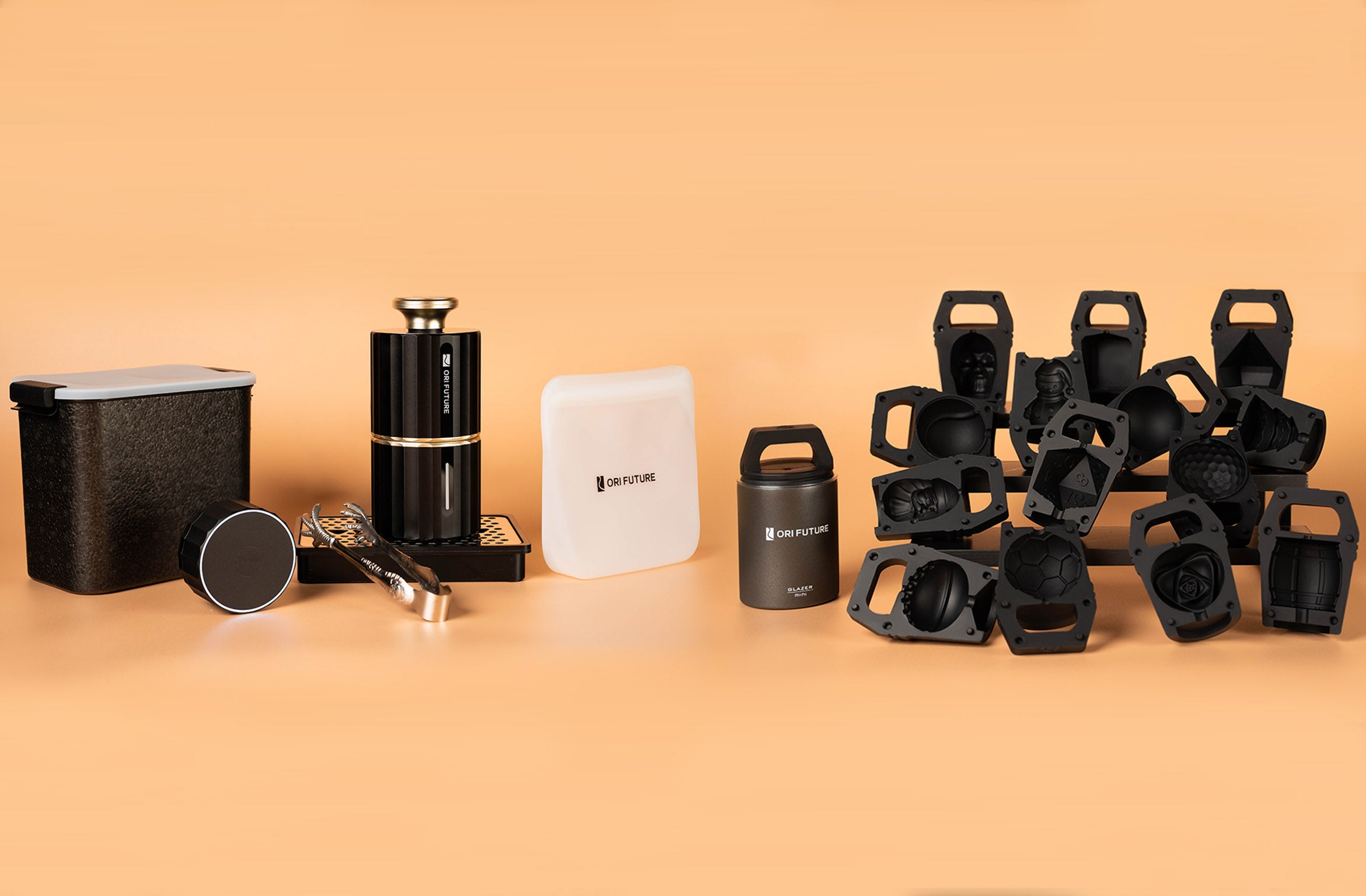
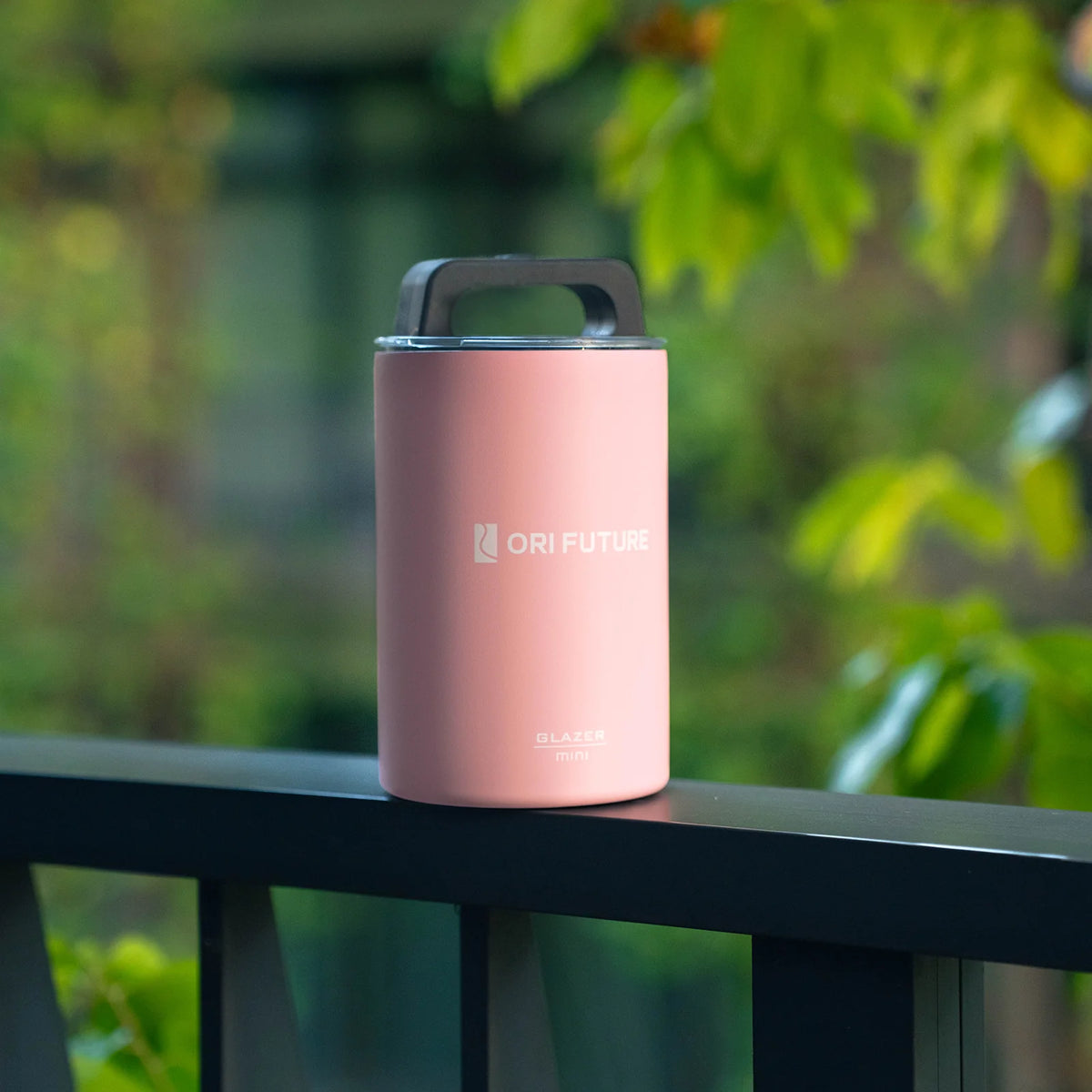
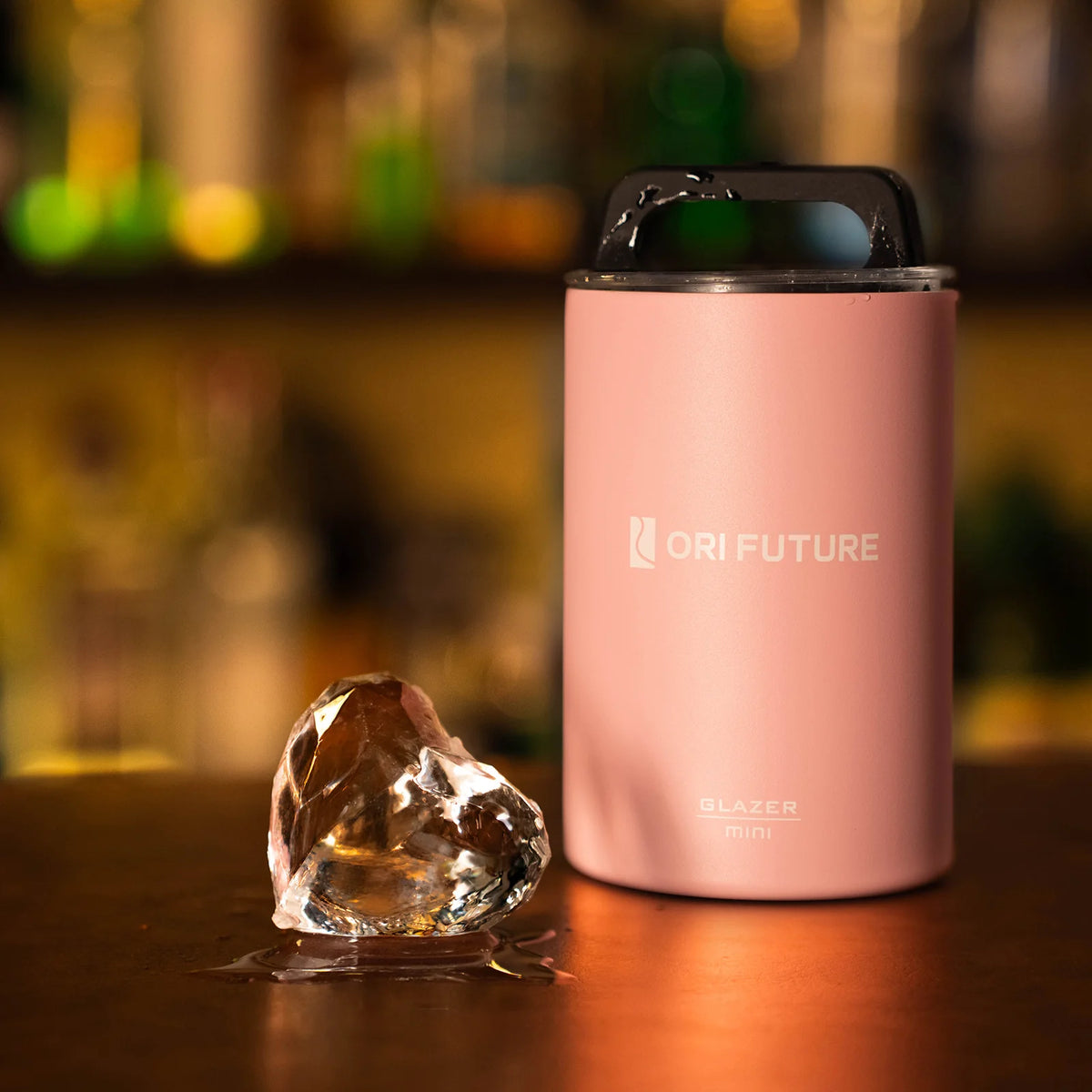
For those starting their journey, a clear ice mold for whiskey lovers is an indispensable tool. Instead of relying on a fragile refrigerator actuator, you simply fill the reservoir with standard tap water and place it in your freezer. The insulation does the heavy lifting. For home bartenders seeking flawless geometry, the Glazer Mini clear ice mold provides unparalleled results without consuming your entire freezer space.
If you are serving premium oversized pours in double rocks glasses, standard ice is inadequate. You must upgrade to a 3 inch clear ice mold for cocktails. This massive surface-area-to-volume ratio ensures that your bourbon is chilled instantly but diluted at a glacial pace. For those who appreciate unique aesthetics—perhaps hosting a game night or themed event—the compact D20 clear ice mold proves that directional freezing can be adapted to highly complex, geometric shapes that no refrigerator on earth could ever automate.
4. The Professional Standard: The Ice Press
For the ultimate, uncompromising bar experience, even silicone molds are merely a stepping stone. High-end cocktail bars do not freeze water directly into spheres; they freeze massive, optically clear blocks of ice and physically carve them. To achieve this level of perfection at home, you require heavy metallurgy.
By utilizing a premium ice ball press tool, you harness the ambient thermal conductivity of aircraft-grade aluminum. You simply place a jagged block of clear ice between the two halves of the press. The sheer weight and thermal transfer of the metal melts the ice into a mathematically perfect, seamless sphere in less than sixty seconds. It is a theatrical, mesmerizing process that completely obliterates the disappointing results of an automated freezer. We highly encourage serious enthusiasts to explore Glazer Press collection hardware and review our all bar tools and ice accessories to fully outfit your staging area.
5. Summary Matrix: Automated vs. Manual Craft Ice
To assist in your final procurement decision, we have constructed a definitive comparison between automated refrigerator systems and manual directional freezing systems.
| Metric | Automated Fridge Ice Maker | Directional Freezing Mold / Press |
|---|---|---|
| Optical Clarity | Poor (Cloudy center, trapped gases) | Flawless (100% transparent, air pushed to bottom) |
| Structural Integrity | Weak (Prone to cracking under thermal shock) | Maximum Density (Slow, controlled dilution) |
| Production Rate | 3 to 6 spheres per 24 hours | Unlimited (Dependent on mold quantity) |
| Mechanical Reliability | High failure rate, prone to jamming | Zero moving parts, fail-proof |
| Shape Perfection | Often features flat spots and injection dimples | Perfectly seamless (Especially with a metal press) |
6. Frequently Asked Questions (FAQs)
Why is the ice from my expensive craft ice refrigerator always cloudy?
As outlined above, it is a matter of thermodynamics. A freezer compartment operates at roughly 0°F (-18°C). When a fridge makes sphere shaped ice, the water inside the spherical mold freezes from the outside in. The outer layer hardens first, trapping the dissolved air and minerals in the center of the sphere, resulting in a dense, white, cloudy core.
Does boiling water before putting it in an ice mold guarantee clear ice?
From our experience, boiling water is an exhausted myth. While boiling removes some dissolved gases, it does absolutely nothing to change the physics of how the water freezes. If you put boiled water into a standard freezer mold, it will still freeze from the outside in and create a cloudy center. Directional freezing is the only scientifically valid method for achieving crystal-clear ice.
Are refrigerator craft ice makers expensive to maintain?
Yes. The automated actuators that open and close the silicone molds inside the freezer are highly prone to freezing over, jamming, or cracking under the stress of ice expansion. When these proprietary mechanisms fail out of warranty, the repair costs often exceed several hundred dollars. Additionally, to keep the ice tasting fresh, you are locked into buying the manufacturer's proprietary, high-priced water filters multiple times a year.
7. External References
To further validate the science of thermodynamics and appliance reliability discussed in this analysis, we recommend reviewing the following authoritative sources:
- Consumer Reports - Refrigerator Reliability Data: Detailed, independent aggregate data exposing the notoriously high failure rates and repair costs associated with built-in automated ice makers across major appliance brands.
- The Journal of Chemical Physics: Peer-reviewed academic research detailing the mechanics of water crystallization, directional freezing methodologies, and the physical trapping of atmospheric gases during rapid phase transitions.
